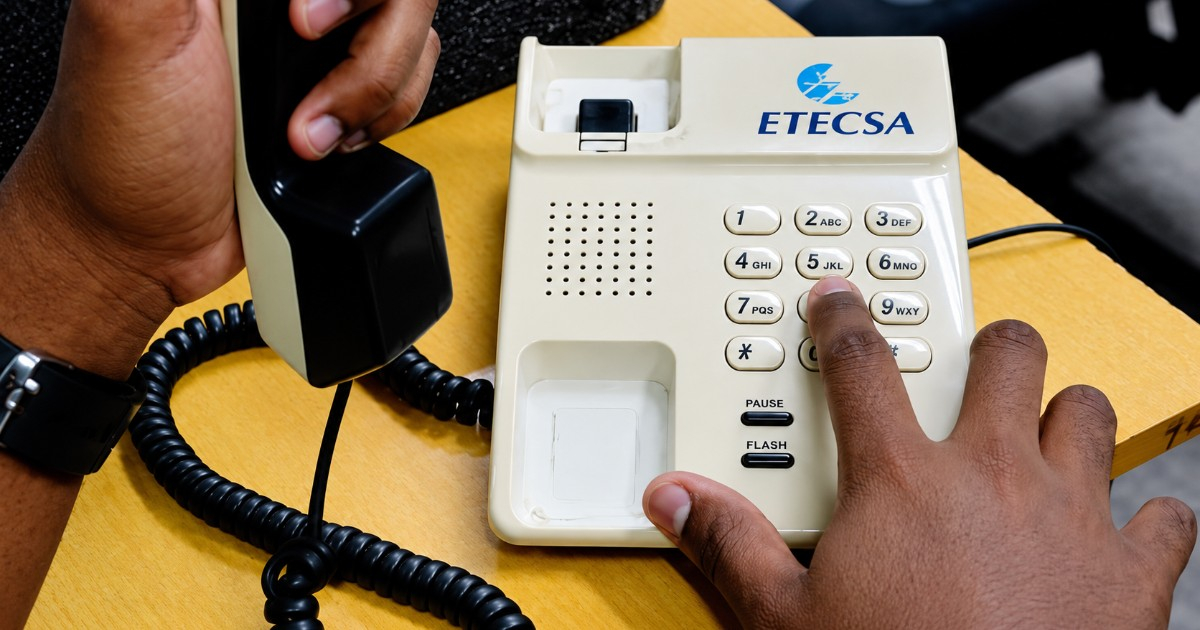
A new phone scam involving fake package deliveries is causing concern in Cuba, particularly in Sagua la Grande, Villa Clara. Scammers are making calls to both landlines and mobile phones, attempting to empty bank accounts through Transfermóvil.
According to a report by Radio Sagua, these fraudsters pose as agents from companies allegedly handling packages from abroad, often claiming they contain food or medicine.
The scam hinges on a fraudulent 'code' that victims are instructed to enter into Transfermóvil to confirm the receipt of a package.
These criminals direct victims to open the app, navigate to the transfer section, input a card number, and enter the 'code' in the amount field.
The issue arises because this 'code' is actually a sum of money. If a person enters, for instance, '00012000', the app reads it as 12,000 pesos and processes it as a legitimate transfer.
Once the money is sent, the conversation usually ends abruptly, leaving the victim to discover that the package delivery was a complete fabrication.
Personal Accounts of the Scam
Camila Fonseca Fernández, a local resident, shared her experience of receiving a call from individuals claiming to work for Cubamax. They even provided a name and ID number of a supposed employee to make the interaction seem credible.
"They pretended to be Cubamax officials, provided me with a name and ID of an alleged worker, and instructed me to enter a code as the amount in Transfermóvil," she explained.
Suspicious of the transaction, she pretended the transfer couldn’t be completed due to insufficient funds. The caller quickly offered another supposed code.
"The scammer immediately provided a new code, and that's when I had enough. I told them they would have to wait, but it would be for the police to block the card," she recounted.
Wider Implications of the Scam
The warning from Sagua la Grande is not an isolated incident. In April, several customers of the Banco Popular de Ahorro in Sancti Spíritus reported similar losses through identical scams involving bogus agency calls and fraudulent codes entered as amounts in Transfermóvil.
Just days later, a Cuban woman recounted how scammers tried to trick her into entering '00005999' into the app, which would have resulted in a 5,999-peso transfer. She recognized the scam before sending any money.
That same month, there were reports of late-night calls to landlines, where scammers impersonated couriers and announced foreign packages to extract personal information and facilitate money transfers.
In June, another case highlighted the extent of the fraud: a family reported losing over 104,000 CUP after scammers used real shipment details to convince a woman to enter multiple 'codes' into Transfermóvil.
Vulnerable Populations at Risk
Older adults are among the most vulnerable to this type of deception. Organizations like Food Monitor Program and Cuido60 have warned that the challenges seniors face in handling digital tools, along with their reliance on packages and support from emigrated relatives, heighten their susceptibility to urgent-seeming calls.
Understanding the Transfermóvil Scam in Cuba
How do scammers use Transfermóvil to steal money?
Scammers instruct victims to enter a 'code' into the Transfermóvil app, which is actually a large sum of money. This amount is then transferred from the victim's account.
Who is most at risk of falling for these scams?
Older adults are particularly vulnerable due to difficulties with digital technology and reliance on financial help from family abroad.
What should you do if you suspect a scam?
If you suspect a scam, do not enter any codes or transfer money. Contact the authorities and report the incident immediately.