A Ukrainian negotiating team abruptly exited discussions in Miami on Friday following nearly eight hours of meeting with envoys from President Donald Trump. The tension arose after Steve Witkoff and Jared Kushner warned that Washington might cease intelligence sharing with Kyiv if Ukraine did not stop its assaults on Russian refineries, as reported by journalist Christopher Miller from the Financial Times.
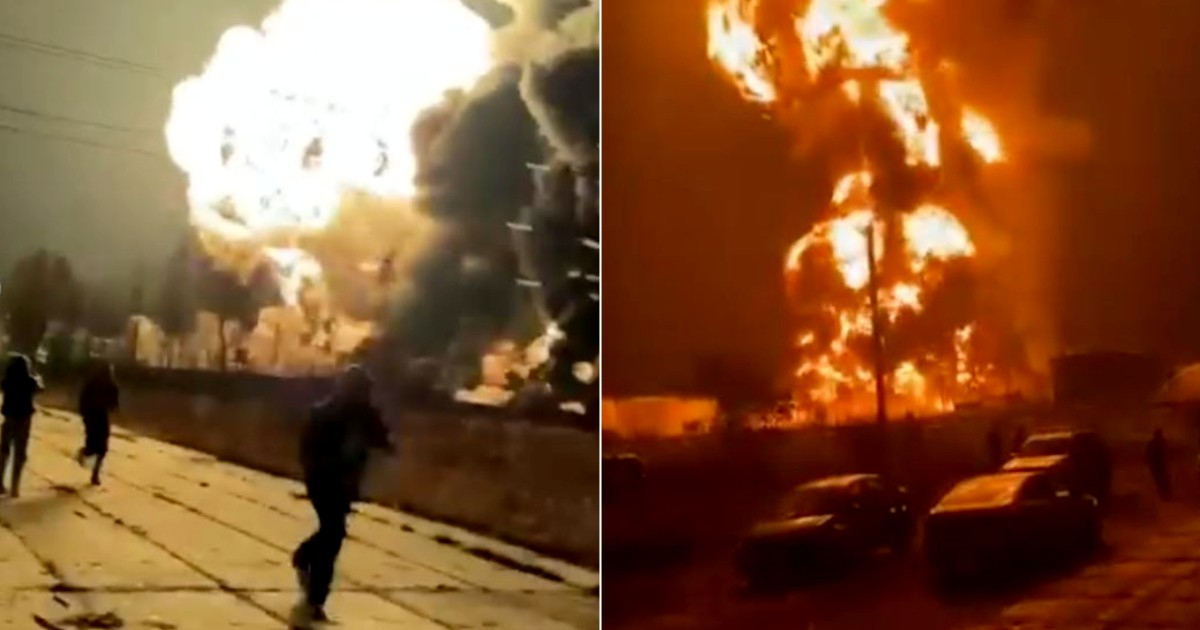
However, a senior Ukrainian official defiantly declared, "We'll burn the [Russian] refineries." Hours later, Ukrainian forces proceeded with a drone attack on the Yug Rusi oil terminal in Rostov-on-Don, signaling Kyiv's firm stance on continuing its offensive against the Kremlin's energy infrastructure.
Disruption in Miami Talks
The Miami meeting, initially planned for two days, was derailed from the start when the Ukrainian delegation was caught off guard by Trump's announcement of an agreement with Vladimir Putin to allow the supply of Russian diesel to the United States and international markets.
Three individuals familiar with the discussions confirmed to the Financial Times that this announcement destabilized the negotiations before they could make any progress.
Ukrainian President Volodymyr Zelenskiy criticized the deal as "weak," "unfair," and "dishonest," calling it a "gift for Putin" that would provide Moscow with more resources to sustain the war. Zelenskiy also proposed a resolution: halting attacks on refineries if Russia simultaneously ceased its bombings of Ukrainian energy infrastructure, a proposal that did not gain traction.
Official Stance and Reactions
The U.S. Treasury Department supported the agreement with OFAC's General License 135, which permits the sale, delivery, and importation of Russian diesel until approximately April 7, 2027.
An American official denied that Witkoff and Kushner made an explicit threat, although he confirmed that Washington expected reciprocity from Kyiv and that Ukrainian actions should not harm American consumers.
Ukraine utilizes U.S. intelligence to carry out attacks on Russian refineries, aiming to choke a vital income source for Moscow's wartime economy.
The Ukrainian Ministry of Defense claimed that their campaign has disabled 51% of Russia's refining capacity — a figure not independently verified — while the International Energy Agency estimated a 30% drop in Russian diesel production.
Impact of the Yug Rusi Attack
The attack on the Yug Rusi terminal, which has a design capacity of around 2.5 million tons of petroleum products annually and supplies both exports and Russian military forces, was confirmed by regional governor Yuri Sliusar. Russian air defenses intercepted at least 50 drones in the region overnight, with no casualties reported.
The Ukrainian delegation in Miami included Kyrylo Budanov, Rustem Umerov, Sergiy Kyslytsya, and Davyd Arakhamia. Witkoff described the talks as "productive," although no concrete agreements or steps towards a ceasefire were announced.
Escalating Tensions
Tensions between Trump and Zelenskiy have intensified in recent weeks, following Trump's direct accusation on October 7 that Ukraine and the Democrats were responsible for the high gasoline prices in the United States.
The Trump-Putin diesel agreement marks a significant shift in Washington's energy policy towards Moscow, and the second round of talks scheduled for Saturday will not proceed following the early departure of the Ukrainian delegation.
Understanding the Implications of U.S.-Ukraine Tensions
Why did the Ukrainian delegation leave the Miami talks early?
The Ukrainian team left the talks early due to a surprise announcement by Trump regarding an agreement with Putin, which destabilized the negotiations.
What was the Ukrainian response to Trump's threat regarding intelligence sharing?
A senior Ukrainian official defiantly stated that they would continue attacking Russian refineries, indicating their unwillingness to yield to the threat.
What impact does the Trump-Putin diesel agreement have?
The agreement allows Russian diesel to be supplied to the U.S. and international markets, representing a major shift in U.S. energy policy toward Russia.