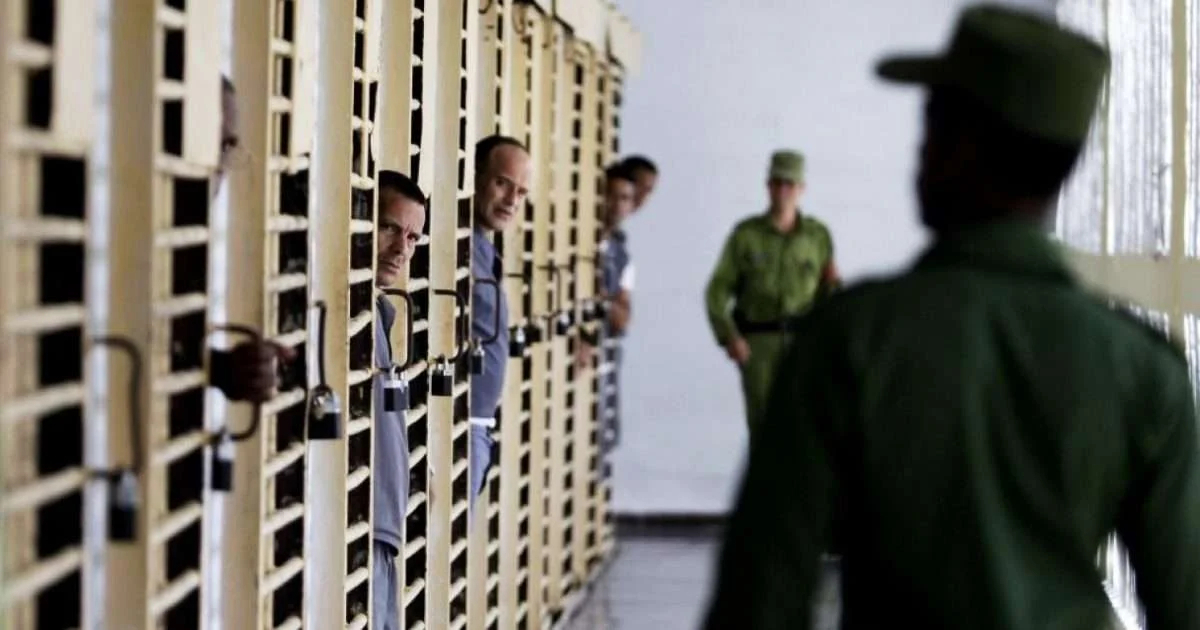
The human rights organization Cubalex has reported a troubling increase in deaths linked to the custody of the Cuban regime, documenting 12 cases in September 2026. This represents the highest monthly tally since February of the same year.
Out of the total, eight individuals died within penitentiary facilities, while two were former detainees who passed away shortly after being released in critical condition. Additionally, two 18-year-old recruits lost their lives during their mandatory military service.
Cubalex has identified three instances that suggest potential extrajudicial executions. These cases, according to the organization, demand "an independent, impartial, and effective investigation" to ascertain whether regime agents or authorities were directly responsible.
The group warns that the actual number of deaths is likely higher due to the lack of official statistics, restricted access to public information, and the fear of reprisals among families, which obscures the true scope of the issue.
"Investigations into deaths in custody are virtually non-existent or lack independence and impartiality," the report highlights, emphasizing that this situation perpetuates impunity and leaves families without answers.
Young Recruits' Deaths Highlight Military Service Dangers
Yandiel Jurado, an 18-year-old from Manzanillo, died on September 20 after being accidentally shot in a military unit in Granma. According to testimonies collected by Cubalex, Jurado was on the phone with his girlfriend when another recruit mishandled a rifle, resulting in the fatal incident.
His mother had repeatedly opposed his conscription and faced fines before he was eventually sent to serve.
In a second case, Leordanis Ramón Ricardo Batista, known as "Leo," also 18, died on September 22 at a Youth Labor Army unit in Nipe, Holguín. Despite his family's documentation of his mental health issues—he had received psychological care since age nine—regime authorities deemed him fit for service.
Testimonies implicate Major Bandera, the unit's leader, for refusing to transfer Batista to a unit closer to his home in Banes and subjecting him to verbal abuse and persistent pressure.
Cubalex has called for an independent investigation to determine the circumstances surrounding these deaths and any potential military command responsibilities.
Systemic Issues in Prisons and Lack of Accountability
The 10 prison deaths in September add to the 39 documented in the first half of 2026, forming a pattern that Cubalex has been tracking for years.
In their special report covering 2024-2026, Cubalex recorded 115 deaths in penitentiary settings, with an average of four monthly deaths and no month completely free from incidents. At least 80 of these deaths—nearly 70%—were attributed to negligence or denial of medical care.
The regime does not release prison mortality statistics, prohibits independent inspections, and has not ratified the Optional Protocol to the Convention Against Torture.
As of the end of August 2026, Cuba held 1,339 political prisoners, the highest number since the July 11, 2021 protests, according to Prisoners Defenders.
Frequently Asked Questions on Cuban Regime Custody Deaths
What is Cubalex?
Cubalex is a human rights organization focused on documenting and reporting abuses and violations within the Cuban regime, particularly those involving deaths in custody.
Why are deaths in Cuban custody increasing?
The increase in deaths is attributed to systemic issues such as negligence, lack of medical care, and possible extrajudicial actions within the Cuban regime's detention facilities.
What actions are being taken to investigate these deaths?
Cubalex is calling for independent investigations into these deaths to establish accountability and uncover potential misconduct by regime authorities.
How does the Cuban regime handle prison mortality data?
The Cuban regime does not publish official prison mortality data, restricts independent inspections, and has not committed to international protocols aimed at preventing torture and mistreatment.