The province of Las Tunas is grappling with an increasingly challenging health crisis, particularly in the municipalities of Puerto Padre, Majibacoa, and the provincial capital. The ongoing fuel shortage is significantly hindering efforts to fumigate against disease-carrying vectors.
Rising Fever Cases in Critical Areas
Puerto Padre has emerged as the hotspot with the highest number of fever cases, especially in the Romárico Oro health area, where a significant outbreak was detected on September 28. Majibacoa is also experiencing a rise in cases in areas like Calixto, Vivienda, and Las Parras. The provincial capital mirrors this troubling trend, as reported by the Citizen Portal Panorama Tunero on Wednesday.
Response Plans Face Resource Challenges
Yumara Acosta, the director of the Provincial Center for Hygiene, Epidemiology, and Microbiology, revealed that her team is visiting municipalities to assess the response plan for October and November, historically critical months for fever outbreaks. Despite these efforts, fumigation commenced this week only in Las Tunas, Majibacoa, and Jobabo due to the fuel crisis.
Efforts also include biological control and the application of products in water reservoirs, focusing on urban areas.
Community Awareness and Action
Acosta highlighted a significant issue: the low risk perception among residents. She urged individuals to seek medical attention if they experience high fever, general discomfort, or joint and muscle pain. Warning signs such as abdominal pain, vomiting, diarrhea, and unusual bleeding should not be ignored, particularly between the second and seventh day of symptoms.
The strategy also emphasizes removing breeding grounds within homes, addressing micro dumps, repairing leaks, resolving overflowing septic tanks, and clearing blocked sewers. The provincial center is coordinating these tasks with sanitation agencies, although they acknowledge existing limitations in executing them effectively.
Additional Complications and Public Health Measures
In September, health authorities in Las Tunas confirmed the presence of dengue serotype four, cautioning that children, the elderly, pregnant women, and individuals with preexisting conditions are at a higher risk of severe complications.
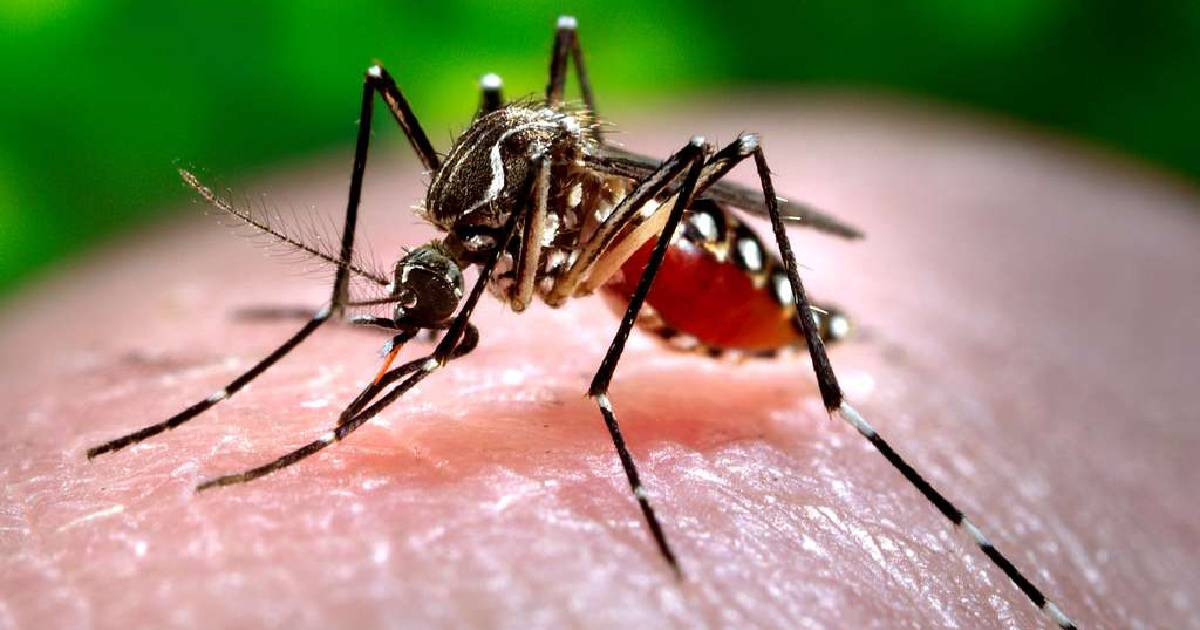
Fumigation efforts are severely constrained by fuel scarcity. Some teams have resorted to using water-based equipment, which is less effective against the Aedes aegypti mosquito. This challenge was acknowledged by Francisco Durán Peña, the Deputy Minister of Public Health, in late September. In Santiago de Cuba, fumigations proceed based on each municipality's fuel availability.
The situation in Las Tunas is further exacerbated by chronic waste buildup, leading to open-air dumps and uncovered water containers, ideal conditions for vector proliferation.
The local health system is under immense pressure. The Mártires de Las Tunas pediatric hospital has resorted to promoting coconut water and homemade rehydration formulas due to a shortage of rehydration salts in pharmacies, as reported weeks ago.
This year, Cuba has recorded over 11,000 estimated cases of dengue, a figure 9.2 times higher than the country's historical average over the past five years, according to the Global Dengue Observatory of the London School of Hygiene & Tropical Medicine, with data updated through October 4.
In late September, the Ministry of Public Health acknowledged an increase in acute respiratory infections, diarrheal diseases, hepatitis, and arbovirus in a context marked by the country's strained healthcare infrastructure.
Understanding the Health Crisis in Las Tunas
What challenges are Las Tunas facing in controlling the dengue outbreak?
Las Tunas is experiencing a severe fuel shortage, limiting fumigation efforts critical in controlling the mosquito population that spreads dengue. Additionally, there is low public awareness of the risks, and the infrastructure struggles to support the required sanitation measures.
How is the community being advised to respond to the dengue outbreak?
Residents are encouraged to visit healthcare facilities if they exhibit symptoms like high fever, discomfort, or joint pain. Additionally, they are urged to eliminate potential mosquito breeding sites within their homes to help control the outbreak.
What are the health authorities' strategies for dealing with the dengue outbreak?
Authorities are focusing on adulticidal treatment, biological control, and community awareness campaigns. They also work on improving sanitation and infrastructure to reduce mosquito breeding grounds, despite facing resource constraints.