Last year, Miami-Dade public schools saw a dramatic drop in the number of foreign-born students enrolling, with just 3,000 new students compared to the 14,000 and 22,000 the district typically welcomed each year. This was revealed by former superintendent José Dotres during an interview with WLRN, highlighting the impact of federal immigration policies on South Florida classrooms.
The significant decrease in immigrant families moving to the area is largely attributed to the federal immigration policies, strongly supported by Governor Ron DeSantis.
Just three years ago, the situation was starkly different: during the 2022-23 school year, Miami-Dade welcomed over 22,000 immigrant children, many of them Cuban and concentrated in Hialeah, which led to overcrowded schools.
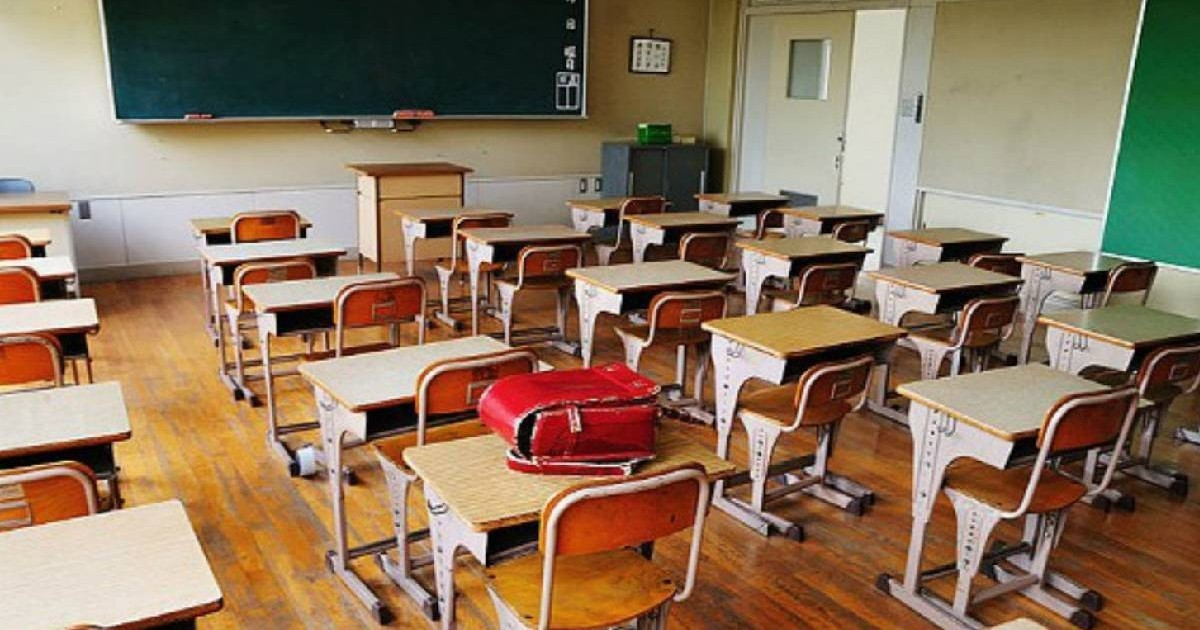
Currently, the district faces a different issue: empty classrooms and dwindling budgets. The 2026-27 school year began with 215,078 students in directly managed schools, down from 230,172 the previous year, amounting to a loss of around 31,000 students over two years.
The ongoing impact of immigration policies on families and communities remains a pressing issue. Stay updated with all the news in our Immigration in the U.S. section.
The district's budget for 2026-27 is approximately $7.4 billion, about $100 million less than the previous year. Additionally, a mid-year cut of $89 million was implemented last year due to the loss of foreign students, which resulted in an estimated $70 million impact.
In response, the School Board approved the closure of five schools and the consolidation of four others in June, eliminating 168 jobs. By August, nearly 30 Miami-Dade schools were under formal review, with 12 operating at 50% capacity or less.
Amidst this scenario, Lieutenant Governor Jay Collins staunchly defended the state's immigration policy: "I will never apologize for putting American and Floridian priorities first. We will ensure funding is available," he stated to WLRN.
Collins acknowledged the decline in undocumented students, justifying it by stating, "I understand and hear people saying we have fewer illegal immigrants in our schools. Our priority must be towards our citizens."
Alejandra Vázquez Baur, an expert from EdTrust and co-founder of the National Newcomer Network, warned that the ramifications extend beyond immigrants themselves. "New students bring new funding to schools, benefiting not only those students but everyone," she pointed out. "Less money means fewer calculators, books, and extracurricular programs."
The crisis isn't confined to Miami-Dade. Neighboring Broward County faces 61,000 empty seats and is considering closing ten more schools after losing over 27,000 students in four years, resulting in a $94 million deficit.
Alongside the enrollment crisis, Collins supported new educational standards on the history of communism, effective for grades six through twelve. "We have such a rich heritage from our Cuban Americans, Venezuelans—people who've seen and felt the pain of socialism and communism," the lieutenant governor said.
Additionally, in September, the state university system's Board of Governors approved a ban on admitting undocumented students to Florida's 12 public universities, effective from the 2027-28 academic year, effectively closing public higher education to new students without legal status.
Impact of Immigration Policies on Miami-Dade Schools
What caused the decline in immigrant student enrollment in Miami-Dade?
The decline is primarily caused by federal immigration policies, which have reduced the arrival of immigrant families to the area.
How has the decrease in students affected Miami-Dade's budget?
The loss of students has resulted in approximately a $70 million impact on the district's budget, leading to the closure of schools and job eliminations.
What measures has Miami-Dade taken in response to the enrollment drop?
The School Board has closed five schools, consolidated four others, and reviewed nearly 30 schools operating at reduced capacity.
Why is Alejandra Vázquez Baur concerned about the funding cuts?
She is concerned because fewer resources impact the entire student body, not just immigrant students, leading to fewer educational materials and extracurricular programs.