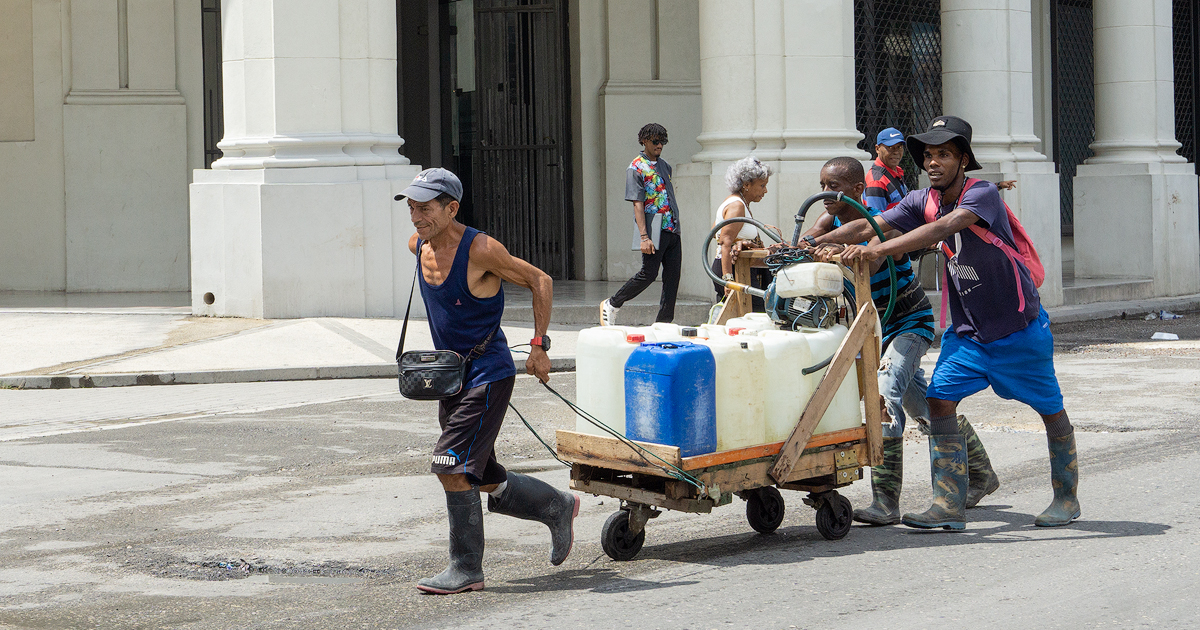
Dr. Vivian Mena Miranda, serving as vice president of the Cuban Society of Pediatrics, has raised concerns about a surge in hepatitis and diarrhea-causing infections among Cuban children. This health issue emerges amidst a severe potable water crisis and prolonged power outages that hinder basic preventive measures. The challenge goes beyond medical advice: how can families protect children when many lack consistent access to safe drinking water?
During an appearance on state television, Dr. Mena Miranda emphasized, "If you don't have safe water, you can't prevent diseases," based on statements broadcasted on Friday, October 9. She highlighted the presence of viruses like norovirus and rotavirus, which are responsible for gastrointestinal issues, and associated the risks with consuming contaminated water or food.
As a prominent figure in pediatrics, Dr. Mena Miranda stressed the importance of hand hygiene, careful food handling, and breastfeeding as protective measures for young children. However, her appearance lacked detailed statistics on pediatric cases, incidence rates, or a breakdown by province to quantify the reported increase.
Challenges in Water Access Affect Millions of Cubans
These warnings come shortly after officials admitted that 2.7 million people faced complete or partial water service disruption. Released in early October, this figure represents about 35% of those relying on the network, though not all lacked water entirely.
In Havana and other regions, recurring issues like breakdowns, leaks in the water systems, and reliance on electricity-dependent pumping stations exacerbate the water supply problem. Power outages not only disrupt pumping but also prevent many households from boiling water when necessary and from properly preserving perishable goods.
The disparity between health recommendations and the public's material conditions became evident this week when a Ministry of Public Health (MINSAP) official urged extreme food preservation despite acknowledging electrical issues affecting refrigeration. Storing water for days without proper containers or treatment conditions can also heighten health risks.
Public Health Ministry Acknowledges Disease Increase
Dr. Mena Miranda's warning isn't isolated. In late September, Carilda Peña García, Deputy Minister of Public Health, acknowledged an increase in diarrheal diseases and hepatitis, indicating their spread amid environmental sanitation shortcomings, water treatment failures, and waste management issues.
CiberCuba reported on this acknowledgment and cited a September 4 alert from the U.S. Embassy in Havana regarding the rise of gastrointestinal diseases in Cuba. The diplomatic mission mentioned pathogens like norovirus, E. coli, and Shigella.
This recent intervention highlights the vulnerability of children. Infants and toddlers are particularly susceptible to dehydration from diarrhea and vomiting. Hepatitis A, a separate infection from norovirus and rotavirus, shares transmission routes linked to fecal contamination of food or water.
Strategies to Mitigate Risks for Children
The Centers for Disease Control and Prevention (CDC) advises boiling water for at least one minute to deactivate many disease-causing microorganisms, including norovirus, rotavirus, and hepatitis A. They also recommend using safe water for food preparation and maintaining hygiene practices to prevent contamination.
In cases of childhood diarrhea, preventing dehydration and seeking medical attention for warning signs—such as reduced urination, dry mouth, tearless crying, unusual lethargy, persistent vomiting, or difficulty retaining fluids—is crucial, according to CDC guidelines. Breastfeeding should be continued for infants, and rehydration should be tailored to age and medical advice.
However, individual actions can't replace the necessity of ensuring a regular supply of potable water, sanitation, and energy. The crisis described by Cuban health authorities exposes families to risks beyond their hygiene practices, rooted in the deterioration of essential public services under state control.
Addressing the Health Crisis in Cuba
What are the main causes of the increase in hepatitis and diarrhea among Cuban children?
The increase is primarily due to the lack of safe drinking water and the presence of viruses such as norovirus and rotavirus. Contaminated water and food consumption, exacerbated by power outages, contribute significantly to the surge in these infections.
How can families protect their children from these health risks?
Families are advised to maintain strict hand hygiene, ensure food safety, and continue breastfeeding for infants. Boiling water for at least one minute and using safe water for food preparation can help prevent disease transmission.
What role do power outages play in this health crisis?
Power outages disrupt water pumping systems and prevent households from boiling water and preserving food properly, increasing the risk of consuming contaminated water and food.