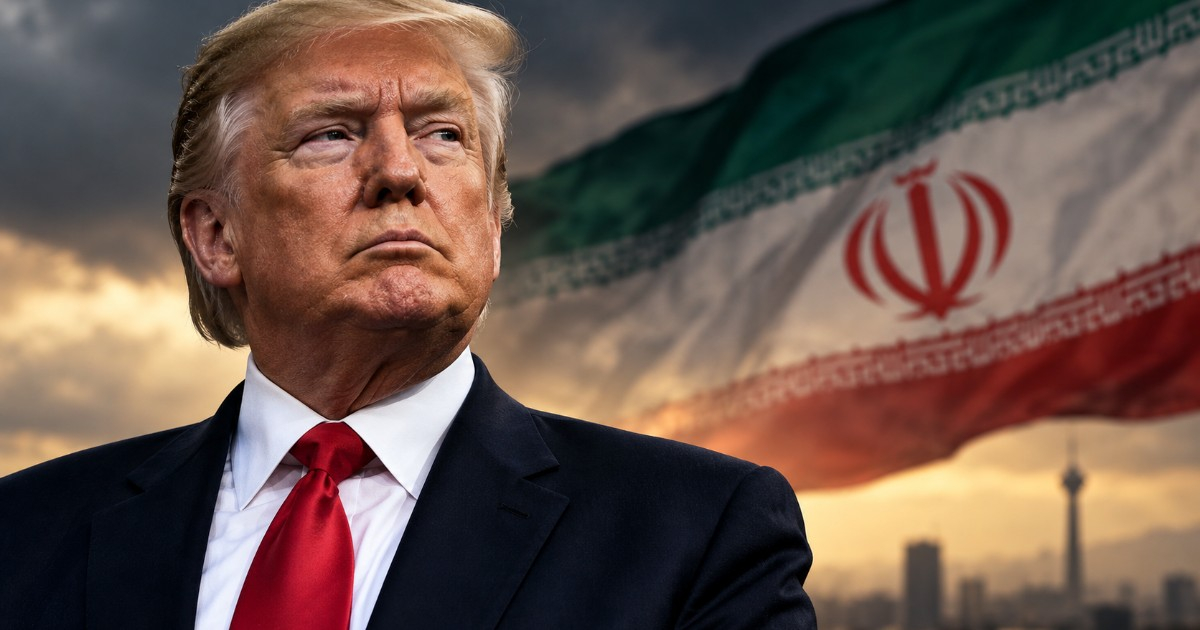
On Thursday, October 8, President Donald Trump declared that the United States would refrain from launching any attacks against Iran before the upcoming legislative elections on November 3. However, he emphasized that the U.S. blockade would remain in effect, and reiterated his stance against allowing Tehran to develop nuclear weapons.
In a message posted on Truth Social, Trump noted that his administration is engaged in "productive talks" with Iran. "I want to make it clear to everyone... we will not be attacking Iran at any point before the midterm elections to be held in the United States on November 3," he stated.
While this announcement sets a clear temporary boundary against any new U.S. offensives, it doesn't equate to a peace deal or signal an end to the conflict. Trump did not rule out possible military actions after the election. The Associated Press also highlighted the announcement, along with the ongoing diplomatic efforts.
Continued Pressure on Iran Despite Announcement
Trump emphasized that the decision to hold off on military action before November does not mean lifting the naval and economic blockade that Washington has imposed on Iran. "The blockade will remain fully in place," he insisted in his post, describing Iran's military and economic situation as severely compromised.
He further claimed that the previous night, 22 million barrels of oil passed through the Strait of Hormuz, none of which originated from or was destined for Iran. These figures, however, have not been independently verified in this report.
The Strait of Hormuz remains a critical chokepoint for global oil trade, and tensions there have heightened concerns over energy supply security. According to The Guardian, citing maritime security sources, recent days have seen new incidents involving tankers in the area.
Announcement Amid Reports of Potential Airstrikes
Trump's clarification followed U.S. media reports about military preparations for a potential resumption of airstrikes on Iranian territory. Axios reported that the Pentagon had instructed U.S. Central Command to develop operational options, although no firm execution date had been set.
This announcement stands in stark contrast to Trump's rhetoric just days prior. On October 4, he warned that he could decide on Iran "the easy way or the hard way," amid stalled diplomatic efforts and tensions over Iran's nuclear program.
Explicitly referencing November 3 introduces an electoral dimension to his message. On that date, Americans will vote on the entire House of Representatives and part of the Senate, with the war and its impact on energy prices a significant part of domestic political debate. CiberCuba previously reported that Iran’s Revolutionary Guard urged American voters to penalize the Republican Party in these elections.
Open Talks, But No Peace Agreement
The new statement also comes shortly after Iranian Foreign Minister Abbas Araghchi announced that Tehran intends to respond soon to Washington's comments on its latest proposal to end the conflict.
As reported by CiberCuba on Thursday, Iran's initiative suggests measures to ease the reopening of Hormuz and reduce hostilities. However, disagreements persist over nuclear program restrictions, the blockade, and the conditions for a potential agreement.
Trump concluded his message with a bold warning: "IRAN WILL NOT HAVE A NUCLEAR WEAPON!" For now, the White House's commitment is limited to not initiating new attacks against Iran before the November 3 elections, while maintaining pressure on Tehran and keeping diplomatic channels open.
Key Questions on U.S.-Iran Relations and Sanctions
What is the significance of Trump's announcement on Iran?
Trump's announcement signals a temporary pause in potential U.S. military action against Iran, tying this decision to the timing of the upcoming elections. However, it maintains the pressure on Iran through continued sanctions.
How does the U.S. blockade affect Iran?
The U.S. blockade targets Iran's economy, aiming to restrict its military capabilities and hinder its nuclear program development. It significantly impacts Iran's trade, particularly through the strategic Strait of Hormuz.
What are the prospects for U.S.-Iran diplomatic talks?
While talks remain open, significant obstacles persist. Both countries have yet to agree on key issues like nuclear restrictions and the blockade, making the path to a comprehensive peace agreement uncertain.