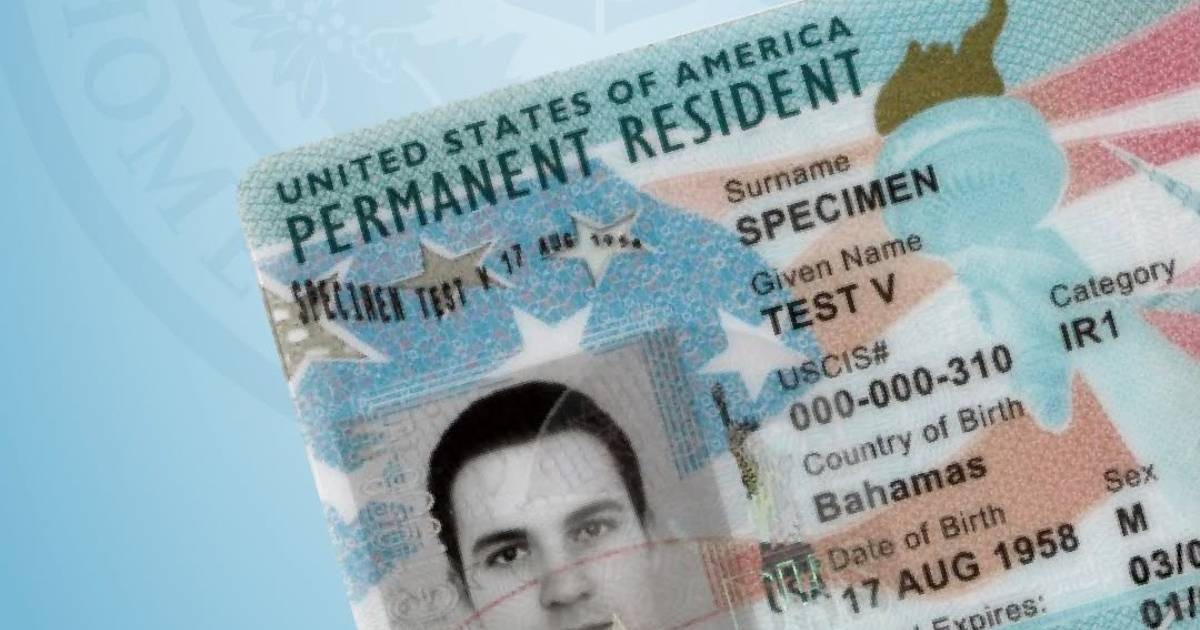
The United States government has put forward a new plan that could dramatically impact international graduates aiming to enter the American workforce. Announced on Wednesday, the proposal suggests a $70,000 fee for each foreign student holding an F-1 visa applying for the first time to the program that allows them to gain temporary employment in fields related to their studies.
This initiative, revealed by the Department of Homeland Security (DHS), is not yet implemented. The proposal details a $70,000 charge for first-time access to the Optional Practical Training (OPT) and a subsequent $30,000 for each additional recommendation.
Financial Implications for Educational Institutions
According to the proposal, students themselves wouldn't be directly responsible for the fee. Instead, certified educational institutions under the Student and Exchange Visitor Program (SEVP) would need to make the payment before a student could be recommended for OPT through the Student and Exchange Visitor Information System (SEVIS). Without this prepayment, the U.S. Citizenship and Immigration Services (USCIS) would be unable to grant the necessary employment authorization.
For Cuban and other Latin American students in the U.S. on F-1 visas, this proposal could complicate the path to employment. Although the financial burden would legally fall on the universities, each institution must decide if it can afford to pay tens of thousands of dollars for every student recommendation.
Potential Impact on Participation
The DHS acknowledges in its economic analysis that these new fees would significantly increase the cost of participating in both OPT and STEM OPT programs. However, it remains uncertain how participation might decline if the rule is ultimately enacted.
OPT allows certain F-1 visa international students to secure temporary work authorization in the U.S. in areas directly linked to their field of study. Although often associated with post-graduation, OPT can also be pursued before completing studies. Thus, the $70,000 fee would not strictly apply to graduates but to the initial recommendation for any type of OPT.
Currently, eligible students can receive up to 12 months of OPT per educational level. Those with degrees in science, technology, engineering, or mathematics (STEM) might also request a 24-month extension, as per the Immigration and Customs Enforcement (ICE) regulations.
The Broader Context of Immigration Costs
The proposal also impacts the 24-month STEM extension, requiring universities to potentially pay a total of $100,000 for a student using 12 months of post-graduation OPT followed by a STEM extension. The $30,000 fee would apply to any OPT recommendation after the first, not limited to STEM fields.
This program is crucial for foreign students seeking U.S. professional experience post-graduation, and it can serve as a transitional period while an employer processes an H-1B visa. The regulations also include the "cap-gap" provision, which allows students with pending H-1B visas to maintain their status and, in some cases, continue working temporarily.
However, securing OPT does not equate to a permanent work visa or residency. The H-1B visa represents a different immigration category, and employment-based permanent residency requires a separate process.
Reactions and Future Steps
The DHS justifies the proposal by citing fraud and abuse within the SEVP, involving educational centers, school officials, employers, and students exploiting current regulations. "Optional Practical Training was never intended to be a backdoor into the U.S. workforce," a DHS spokesperson stated.
While the DHS argues that the new fees would encourage universities to be more selective when recommending students, educational organizations warn that the steep cost increase could deter talented students and professionals from choosing the U.S. for their studies and careers.
Currently, this measure is still in the proposal stage and does not alter existing OPT conditions. The document will be officially published in the Federal Register on Thursday, October 8. Public comments on the rule are open for 30 days, from October 8 to November 9, 2026. However, a 60-day comment period applies specifically to the section concerning the Paperwork Reduction Act.
Comments on the general proposal should be submitted via Regulations.gov, referencing file ICEB-2026-0100. Once the comment period closes, the DHS must review the feedback and may adjust the proposal before finalizing any new rules.
This proposal emerges amidst other shifts in immigration-related costs. As of October 16, new USCIS fees for various immigration processes will take effect, part of a broader policy change in legal and labor immigration procedures.
This development could reshape job prospects for thousands of foreign students in the U.S. Keep up with all updates in our U.S. Immigration section.
Understanding the New OPT Fee Proposal
What is the proposed fee for foreign students under the OPT program?
The proposal suggests a $70,000 fee for first-time access to the OPT program, with an additional $30,000 for subsequent recommendations.
Who is responsible for paying the OPT fee?
Certified educational institutions under the SEVP must pay the fees before recommending a student for OPT, not the students themselves.
How might this proposal affect participation in the OPT program?
The DHS acknowledges that the new fees could significantly increase the cost of participating in OPT and STEM OPT, potentially reducing participation if the rule is implemented.