The Cuban Deputy Foreign Minister, Carlos Fernández de Cossío, has denounced the United States' strategy of intercepting vessels carrying fuel to Cuba and pressuring third-party countries not to trade with the island, labeling such actions as illegal.
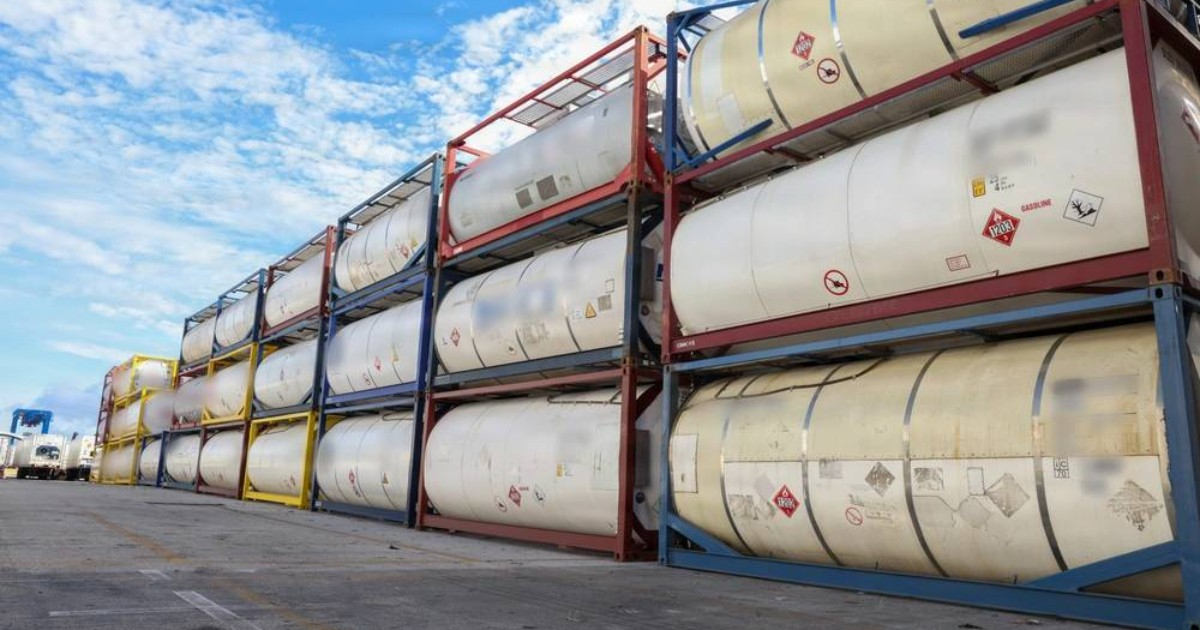
This statement was released on the same day U.S. authorities revealed the seizure of over 620,000 gallons of biodiesel spread across 90 shipments detained at Port Everglades, Florida, and Houston, Texas. These shipments were all intended for ENETEC S.A., a Cuban state-owned fuel wholesaler sanctioned by the U.S. Department of the Treasury earlier in July.
In a Facebook post, Fernández de Cossío asserted that importing, storing, distributing, and selling fuel in Cuba is entirely lawful under both national law and international law, and the same legality applies to transporting it through international waters.
"What is truly illegal is coercing sovereign states with threats of U.S. government retaliation if they export fuel to Cuba, or targeting exporting companies or shipping operators from any nation involved in such commercial activities," the diplomat stated.
Going further, the deputy minister likened the interceptions to acts of piracy: "It is illegal to harass and intercept vessels carrying fuels to Cuba in international waters, just as piracy and looting are illegal."
The Cuban regime's response was prompted by operations that have been ongoing since mid-year. In June, the U.S. Coast Guard halted the M/V Jaira Provider in the Caribbean with approximately 210,000 gallons of diesel in ballast tanks headed for Cuba; a subsequent report documented nearly 195,272 gallons of hydrocarbons in unauthorized spaces aboard the ship.
In September, the same agency boarded the M/V Grace in the Caribbean Sea, between Cuba and Mexico, escorting it to Progreso, Yucatán, where the Mexican Navy confirmed the presence of fuel in ballast tanks and containers.
Both vessels were linked to the so-called "dark fleet," a network of ships that conceal their cargo and routes to evade sanctions.
The estimated value of the 620,000 gallons of biodiesel seized this Wednesday is between 2.8 and 3 million dollars. So far, no formal charges have been announced, nor have those responsible for the shipment scheme been publicly identified.
This escalation is part of a broader energy offensive by Washington against Havana.
In June, Secretary of State Marco Rubio announced sanctions against CUPET, the Cuban state oil company, freezing its assets in the U.S. and prohibiting transactions with the company, claiming that the regime uses energy resources to fund internal repression.
Fernández de Cossío has been the most vocal diplomatic figure of the Cuban government in condemning these actions, asserting that their impact exceeds five billion dollars annually in damages to the island's economy, affecting electricity generation, healthcare, water supply, transportation, and food production.
The deputy minister concluded his post with an unequivocal condemnation: "It is illegal, immoral, and criminal to subject an entire population to economic suffocation as a form of collective punishment for political purposes."
Key Questions on U.S. Fuel Seizures Targeting Cuba
Why does the U.S. intercept fuel shipments to Cuba?
The U.S. intercepts fuel shipments to Cuba as part of broader sanctions aimed at restricting the Cuban government's access to resources, which the U.S. claims are used to finance internal repression.
What is the "dark fleet" in relation to Cuba?
The "dark fleet" refers to a network of ships that hide their cargo and routes to avoid detection and sanctions, often linked to transporting goods to and from Cuba illicitly.
How does the Cuban government view these U.S. actions?
The Cuban government considers the U.S. actions illegal, equating them to piracy, and argues that they violate international law by harassing sovereign states and companies involved in fuel trade with Cuba.