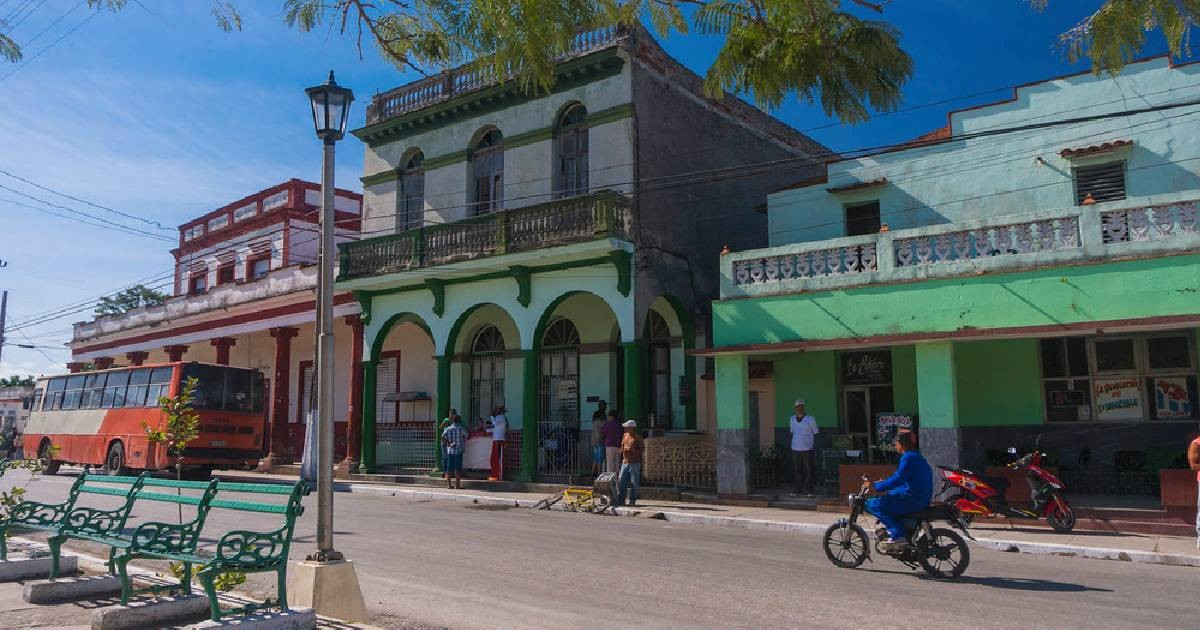
In the small coastal town of Puerto Esperanza, nestled in Pinar del Río and home to around 5,000 residents, fishing is no longer a reliable source of livelihood but a daily struggle for survival. Fishermen venture out to sea in the early hours, uncertain if their catch will even cover the cost of fuel for the day, according to a report by EFE released this Wednesday.
Located about 200 kilometers west of Havana, Puerto Esperanza receives a mere two hours of electricity each day, making it impossible to keep fish refrigerated. This forces fishermen to sell their catch immediately or face losing it.
The report highlights the story of Alexis González, a 45-year-old who turned to fishing after economic hardship forced him to close his carpentry business. On average, he spends 11,000 Cuban pesos—roughly $14 at the informal exchange rate—every time he heads out to work. The black market price for diesel is around two dollars per liter, and his boat consumes between five and eight liters per outing.
"You have to go fishing every day to make a living and maybe earn some extra money, but fuel is expensive and often costs more than what you catch," González told EFE. "Sometimes you catch nothing and return empty-handed, unable to cover the fuel costs. Other times, you can't sell your catch because of the electricity issue," he emphasized.
Eusebio Pérez, aged 70, has spent the last eight years engaged in sport fishing at the same port. After a night of catching snappers, groupers, and needlefish, he acknowledges that the work is "tough, very difficult," though it allows him to support his family and live "normally."
The harsh irony is that in a town whose identity revolves around the sea, fish has become a luxury item out of reach for its own residents. Not a single fish sells for less than five dollars, while the town's doctor, José Machado, earns a monthly salary of 8,880 Cuban pesos, equivalent to about $11.
With such an income, Machado can't afford even two fish per month. "For an ordinary worker, it's impossible to reach because prices are so high," he told the news agency.
This disparity between state salaries and actual prices results from decades of state control over the economy and fishing policies that prioritize exports over domestic supply.
By mid-2024, exports of lobster and shrimp had surpassed 95% of the plan, while production for domestic consumption barely reached 53%.
The collapse is also reflected in statistics: Cuba's gross capture of fish products plummeted from 46,386 tons in 2020 to 22,330 in 2024, a 51.9% reduction over four years, according to the Statistical Yearbook of the National Office of Statistics and Information.
The energy crisis compounds the challenges for residents across the island. National power shortages exceeded 1,800 MW on Tuesday, and Pinar del Río has been one of the provinces hardest hit throughout 2026. In August, a disconnection of the western electrical system left about 4.5 million people without power for nearly seven hours.
Challenges of Living in Puerto Esperanza
Why is fishing in Puerto Esperanza challenging?
Fishing in Puerto Esperanza is difficult due to high fuel costs, limited electricity, and uncertain catches, making it hard for fishermen to sustain their livelihood.
How does the energy crisis affect residents of Puerto Esperanza?
The energy crisis limits electricity to just two hours daily, affecting the ability to preserve fish and complicating everyday life for residents.
What is the economic impact of fishing policies in Cuba?
Cuba's fishing policies prioritize exports over local supply, leading to high prices for residents and a significant drop in domestic fish production.