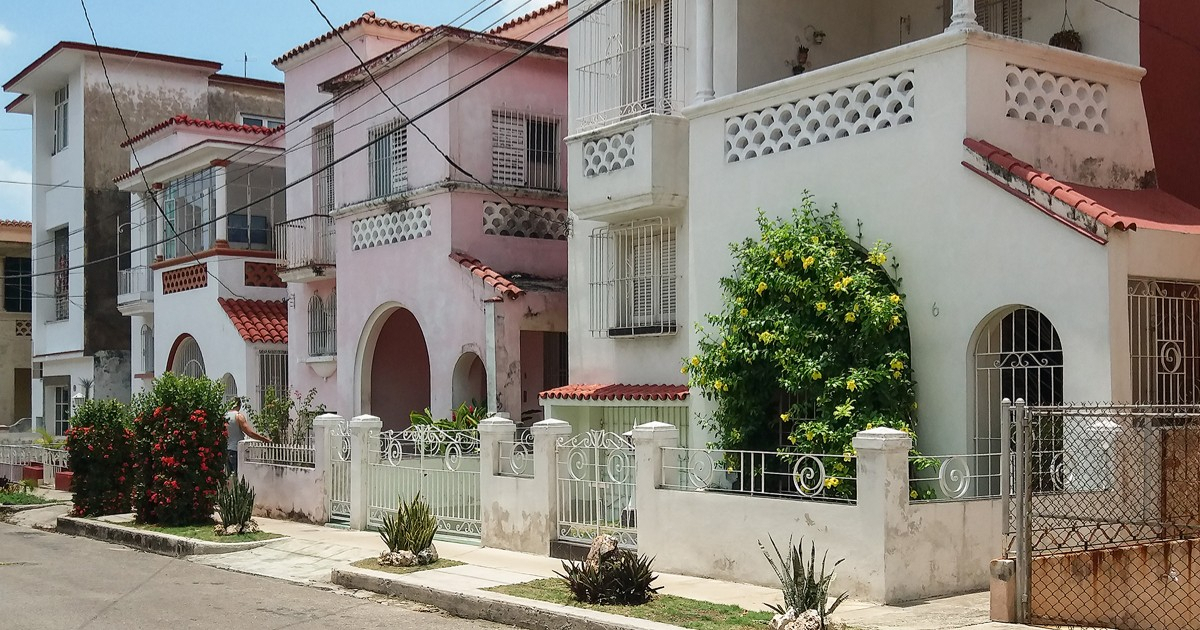
Amidst the evolving migration regulations, one pressing concern for Cubans living abroad is clear: if they are no longer considered effective residents in Cuba, can they lose their home, small business, or other assets on the island?
The short answer is that changing your migration status does not automatically result in the loss of these properties.
Understanding Migration Status, Property Ownership, and Economic Authorizations
It’s crucial to differentiate between three aspects: migration status, property rights, and the permissions required for specific economic activities.
The Migration Law 171 and its regulations, published in Official Gazette No. 39 of 2026, redefine how Cuba determines effective residency within the country. However, they don’t stipulate that failing to meet this condition results in the State automatically seizing one's home or other assets.
Clarifying the "180 Days Outside Cuba" Misunderstanding
One common misconception is the idea that spending 180 days outside Cuba automatically revokes your residency and property rights. The new regulation instead tracks the time spent in Cuba.
Beginning November 1st, the Directorate of Identification, Migration, Immigration, and Citizenship (DIMEC) can officially determine effective migration residency if a citizen has spent over 180 days in Cuba during the previous year.
In simple terms, what matters is the number of days spent in Cuba during the evaluated period, not just time spent abroad.
Staying Below 180 Days in Cuba: What It Means
Not reaching 180 days in Cuba doesn’t immediately mean you lose your chance to maintain effective residency. A second option exists for those who have spent more than 120 days in Cuba in the previous year.
In these cases, individuals may apply for recognition of effective residency by demonstrating additional ties to the country, such as having close family members residing in Cuba, being employed, investing in the country, owning a home, maintaining active bank accounts, fulfilling tax obligations, or owning other assets.
Notably, owning a home or investment in Cuba can help demonstrate ties but doesn’t replace the presence requirement. This path requires over 120 days in the country along with other evidence.
Special Circumstances for Maintaining Residency
The law also accounts for special situations. Cubans abroad for work, health, studies, or similar reasons can maintain their resident status by providing evidence to the Migration Authority.
November 1st: No Automatic Residency Change
The transitional provision of Law 171 states that when it takes effect, Cuban citizens retain their current migration status, although the new rules will apply when relevant.
Thus, November 1st doesn’t mean that Cubans who have been away for months or years will automatically be reclassified that day.
The new law introduces two main categories: residents in national territory and residents abroad. The latter includes those living outside Cuba, those with the previous emigrant status, and those classified as investors and business participants.
Impact on Your Home
The Migration Law itself provides a straightforward answer. Article 31 explicitly states that Cuban citizens residing abroad have the right to "use, enjoy, and freely dispose of their property," in line with Cuban legislation.
In other words, moving from a national resident to an overseas resident doesn’t automatically lead to losing a home.
The home remains with the owner unless other legal reasons affect this right. What changes with migration status is the residency condition, not the property title.
In fact, owning a home in Cuba can be used to demonstrate ties when applying to maintain effective residency through the 120-day rule.
Effect on Small Businesses or Enterprises
To address this, one must distinguish between ownership or partnership and personal authorization to conduct specific activities.
The new Migration Law explicitly allows Cubans residing abroad to maintain economic ties with the national economy.
Within the category of residents abroad, it establishes the "investors and business" status for those engaging in permitted economic activities.
A subsequent economic reform reinforced this possibility. Decree-Law 133 of 2026 stipulates that private micro, small, and medium enterprises (mipymes) can include partners from both national and overseas residents.
Therefore, losing effective residency in Cuba doesn’t automatically mean relinquishing shares in a private mipyme.
The same Decree-Law allows Cubans residing abroad to engage in self-employment when the activity doesn’t require physical presence in the country.
However, not all economic activities follow the same rules: for instance, being a partner in a non-agricultural cooperative still requires national residency.
Thus, it’s incorrect to claim that changing migration residency has no impact on business. It may influence licenses, procedures, representation, personal requirements, or the legal form of the activity.
The regulations don’t set a blanket rule that says, "You’re no longer an effective resident, so you lose your business."
Key Distinctions: Residency, Ownership, and Licenses
A simple way to understand the reform is to separate these three concepts:
Migration Residency: Determines whether Cuba considers a person a resident in the national territory or abroad.
Property Ownership: Identifies who owns a home, goods, or other assets. Law 171 itself acknowledges property rights for Cubans residing abroad.
Economic Authorization: Specifies what activities an individual can perform, under what status, and what requirements must be met. This part depends on specific rules for mipymes, self-employment, cooperatives, investments, and other modalities.
Thus, someone can stop being an effective resident and still own a house; they can also maintain certain economic interests, though they may need to adapt to specific activity requirements.
Advice for Cubans Living Abroad
Those with homes, bank accounts, investments, or businesses in Cuba should first verify their current migration status and then decide if they need to retain national residency or if their situation can operate as a resident abroad.
If they wish to maintain effective residency through ties, it is especially important to keep records of days spent in Cuba, property ownership, family connections, employment, investments, bank accounts, and tax obligations. DIMEC will be the authority deciding on these applications.
The key takeaway from the concerns surrounding the reform is relatively straightforward: the new migration rules do not automatically confiscate homes, businesses, or other assets for failing to meet effective residency criteria.
The change may alter migration categories and require a review of economic activity requirements, but living outside Cuba while retaining ownership of island assets is explicitly considered in the new legislation.
Understanding Cuba's New Migration Rules
What happens to your home if you lose effective residency in Cuba?
Losing effective residency does not automatically result in losing your home. Cuban law allows citizens residing abroad to maintain ownership and rights over their property.
Can you still own a business in Cuba if you live abroad?
Yes, Cubans living abroad can still own businesses or participate in economic activities, provided they comply with specific legal requirements for such enterprises.
Does the new law automatically change your residency on November 1st?
No, the law does not automatically change your residency. Cubans maintain their current status, and the new rules apply when relevant.