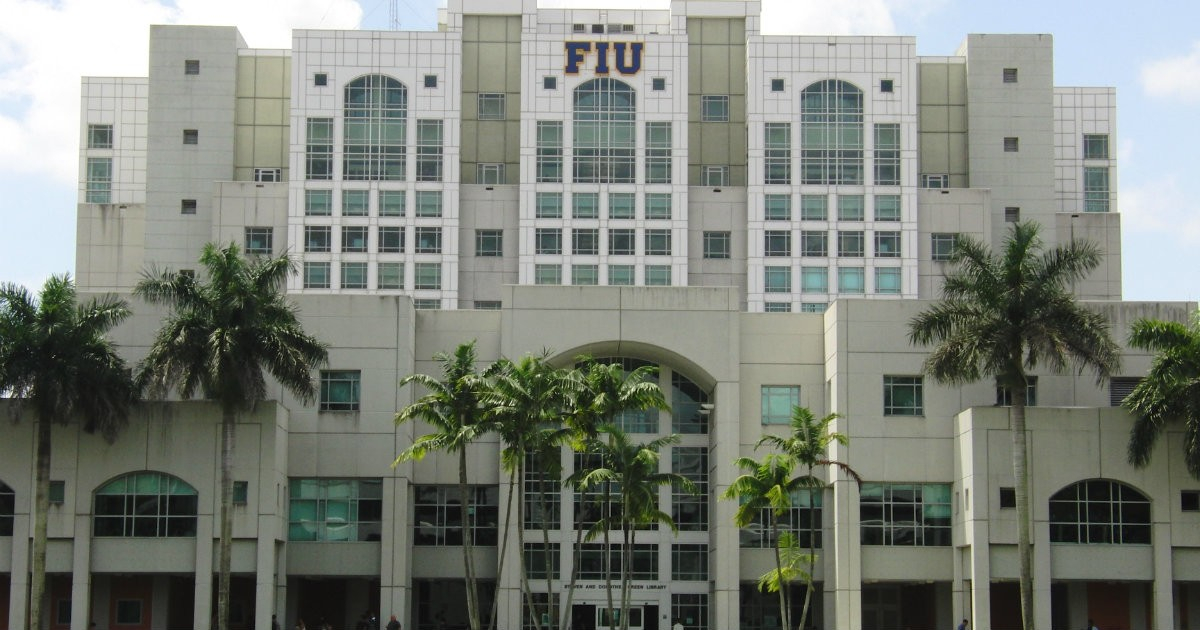
Florida International University (FIU) has entered into an agreement with IonQ to bring the state’s first trapped-ion quantum computer to its Miami campus. This advanced system, called the Superion 256, boasts 256 qubits and is expected to arrive by the end of 2027.
The agreement, signed on September 23 and publicly disclosed the following day, designates FIU as IonQ’s premier academic partner in Florida. This makes FIU the first university in the state to acquire a complete quantum system based on this particular architecture. Financial details of the deal remain confidential.
Introduced in early September 2026, the Superion 256 represents IonQ’s sixth generation of quantum platforms. Unlike previous models that relied on lasers to manage qubits, this version incorporates electronics directly into the chip, reducing costs and allowing it to be installed within a standard server rack, consuming less power than a conventional GPU rack.
Before the installation can take place, FIU must complete a specialized and secure data center on campus to house the equipment. Once operational, this system will be available to FIU’s community of over 56,000 students and 1,200 faculty members, as well as visiting researchers and industrial partners in South Florida.
Only a select few universities worldwide, such as the University of Chicago and the University of Cambridge, possess similar quantum technologies.
Focus Areas for Quantum Research
FIU has pinpointed three priority areas for utilizing the quantum system: environmental and energy sustainability, which encompasses the study of new materials, more efficient batteries, and electric grid management; national security and cybersecurity, with a focus on post-quantum encryption and critical infrastructure protection; and health and drug development, through molecular simulations and biological interactions to identify promising medications.
Alongside research initiatives, the university intends to develop degree programs, certifications, and new curricula in quantum computing to prepare specialists for a rapidly growing industry.
FIU President Jeanette M. Núñez described the agreement as an investment “in discovery, our students, and our nation’s ability to compete in a swiftly evolving field,” emphasizing that the system will provide the university community with “direct access to one of the world’s most advanced computing architectures.”
Andrés G. Gil, FIU’s Senior Vice President for Research and Economic Development, highlighted the significance of having the equipment physically present on campus, which will allow for precise assessment of where quantum computing can make a tangible impact. “Quantum computing is still in its infancy, and that’s precisely why having access now is crucial,” he stated.
FIU also plans to utilize its exhibition center in Washington D.C. to forge connections with federal agencies interested in quantum applications related to energy, national security, and scientific discovery, as both Florida and the federal government expand their investments in this sector.
Niccolo de Masi, CEO of IonQ, remarked that “FIU will spearhead quantum research and education in the region,” highlighting that the agreement marks “a significant milestone in broadening direct physical access to the company’s high-performance quantum hardware.”
FAQs About Quantum Computing at FIU
What is the significance of the Superion 256 quantum computer for FIU?
The Superion 256 will position FIU as a leader in quantum research, providing cutting-edge technology for students, researchers, and industrial partners, and allowing the university to explore new research areas with advanced computing capabilities.
How will FIU prepare students for the quantum computing industry?
FIU plans to create degree programs, certifications, and new curricula focused on quantum computing to equip students with the skills needed to excel in this burgeoning field.
What are the potential research applications for the quantum system at FIU?
Research applications include environmental and energy sustainability, national security and cybersecurity, and health and drug development, enabling groundbreaking studies and innovations in these areas.
Why is the installation of the quantum computer delayed until 2027?
The delay is due to the need for FIU to construct a specialized and secure data center on campus to accommodate the quantum equipment.