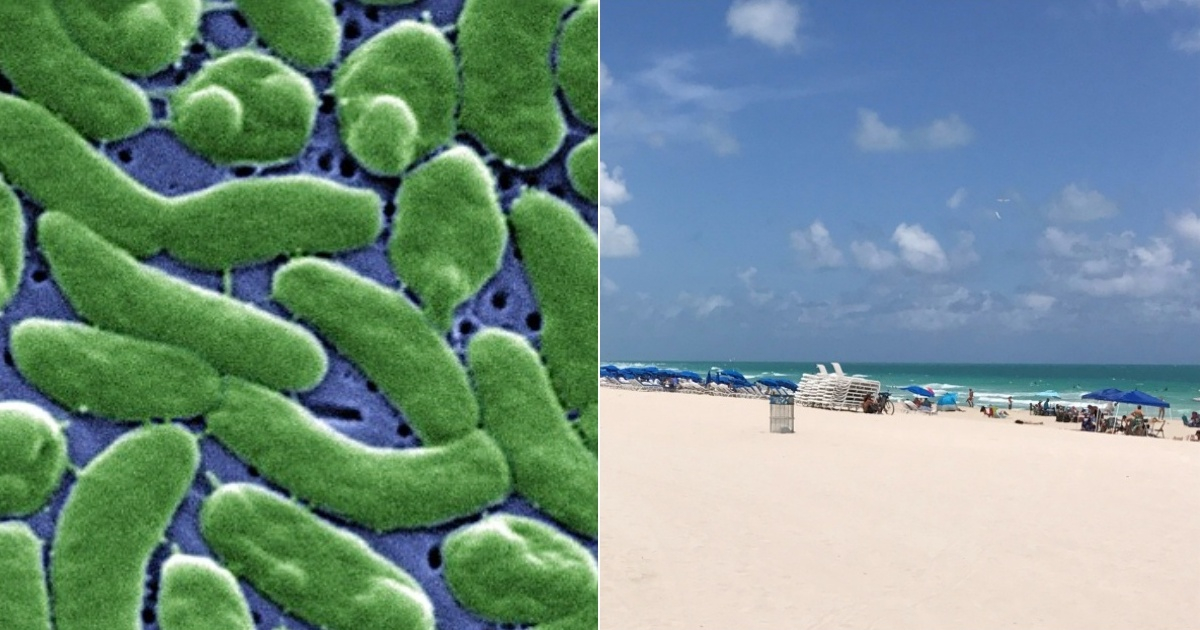
In 2026, Florida has reported a fifth fatality due to an infection caused by Vibrio vulnificus, a bacteria colloquially dubbed "flesh-eating" due to its ability to cause severe and swift infections. The bacteria can invade the body through open wounds or by consuming raw shellfish.
The latest victim was from Pinellas County, near Tampa Bay, as noted by ClickOrlando based on data from the Florida Department of Health.
This recent death brings the total to 23 confirmed cases and five fatalities for the year. Other deaths have occurred in Bay, Broward, Marion, and Palm Beach counties. The state also reports cases in Brevard, Duval, Hillsborough, Lee, Miami-Dade, Okaloosa, Polk, St. Johns, and Santa Rosa, among other areas.
The Rising Threat of Vibrio vulnificus
According to the Florida Department of Health, the five deaths recorded so far in 2026 already match the total number of fatalities reported throughout 2025, which saw 33 cases and five deaths due to Vibrio vulnificus.
In contrast, 2024 saw significantly higher numbers, with 82 cases and 19 deaths. That year, several counties experienced a spike in infections following Hurricane Helene, attributed to exposure to floodwaters.
Understanding the Bacteria
Vibrio vulnificus thrives in warm, brackish coastal waters. It can infect individuals through open wounds exposed to contaminated water or by consuming raw or undercooked seafood, particularly oysters.
In severe cases, the infection can spread rapidly, leading to tissue damage or a bloodstream infection. The term "flesh-eating" is a misnomer; while the bacteria do not literally eat flesh, certain infections can result in necrosis and quick destruction of soft tissue.
Dr. Daniel Egan, an infectious disease expert at Orlando Health, emphasized that even minor cuts, blisters, or abrasions can serve as entry points for the bacteria if they come into contact with contaminated water. "It can get quite aggressive," he warned, noting that redness and pain can begin around the wound and spread swiftly.
Preventive Measures and Recommendations
Health officials advise against exposing open wounds to saltwater or brackish water, recommend using waterproof bandages when exposure is possible, and stress the importance of thoroughly cooking shellfish before consumption.
The Centers for Disease Control and Prevention (CDC) also caution that raw oysters might harbor Vibrio bacteria without visible changes, making it impossible to determine contamination by appearance, smell, or taste.
Florida has been experiencing a steady rise in cases over the summer. By early June, five confirmed infections were reported, and the first death of the year occurred in July. By August, the second fatality was confirmed, and by mid-September, the numbers had climbed to four deaths and 21 cases.
FAQs about Vibrio vulnificus in Florida
What is Vibrio vulnificus?
Vibrio vulnificus is a bacterium found naturally in warm, brackish waters. It can cause severe infections when it enters the body through open wounds or the consumption of raw or undercooked seafood.
How can Vibrio vulnificus infections be prevented?
To prevent infections, avoid exposing open wounds to saltwater or brackish water, use waterproof bandages when necessary, and ensure that shellfish are fully cooked before eating.
Why is Vibrio vulnificus called a 'flesh-eating' bacteria?
The term "flesh-eating" is a popular nickname because some infections can lead to rapid necrosis and the destruction of soft tissues, though the bacteria do not literally consume flesh.