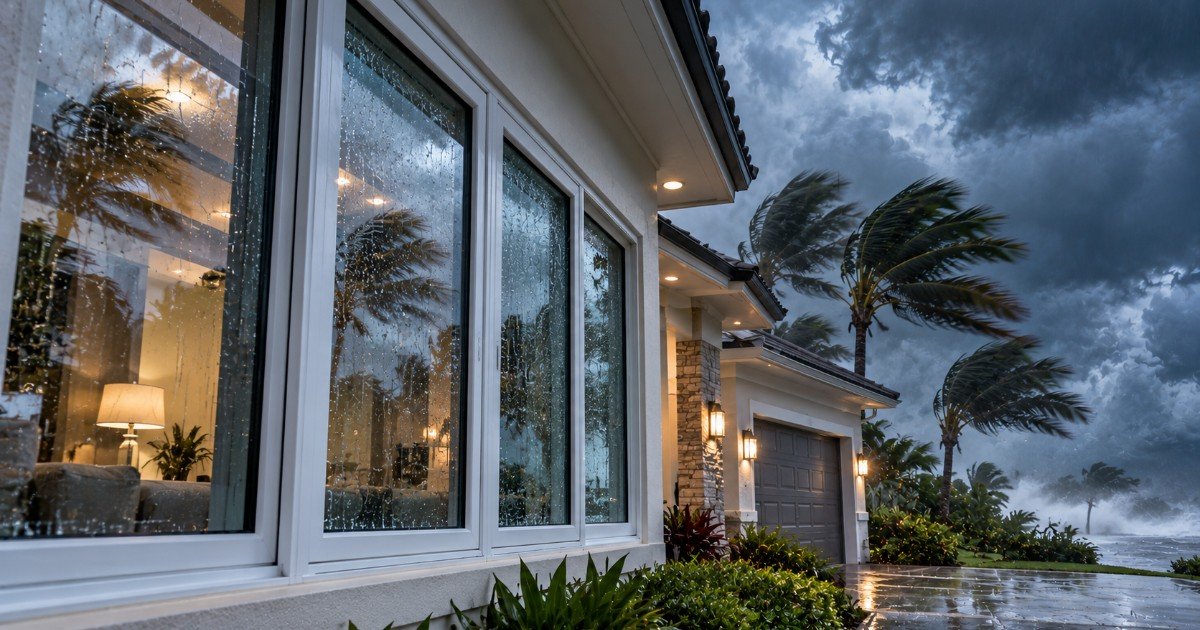
Homeowners in Florida have once again the opportunity to secure up to $10,000 from the state to enhance their houses against hurricanes. This funding can be used for improvements such as reinforcing windows, doors, roofs, and other vulnerable areas.
The My Safe Florida Home program, overseen by the Florida Department of Financial Services, is currently accepting applications. It provides free inspections and grants for specific wind mitigation enhancements.
Eligibility Criteria for the Hurricane Mitigation Program
The financial assistance is not automatically granted nor available for all types of housing. Homeowners must meet certain criteria, undergo an inspection by the program, and receive approval before starting any work.
To begin, the home must be the primary residence of the owner, built on-site, and have the Florida homestead exemption. Single-family detached houses and attached residential properties that meet the program's criteria are eligible.
Mobile or manufactured homes, vacation residences, second homes, and rental properties do not qualify. Moreover, for grant eligibility, homes must be insured for $700,000 or less and constructed before January 1, 2008. An initial inspection from My Safe Florida Home within the last 24 months is also required.
Understanding the Grant Options
Currently, the program offers two main grant types. The first is the Matching Grant, where Florida contributes $2 for every dollar spent by the homeowner. This means the state can cover up to two-thirds of the improvement costs, with a maximum of $10,000. For instance, if a project costs $15,000, the homeowner can receive $10,000, covering the remaining $5,000 themselves. For a $9,000 project, the reimbursement would be around $6,000. Homeowners must initially cover the full cost and then apply for reimbursement with paid invoices.
Special Assistance for Low-Income Homeowners
A different scenario applies to low-income households, who can receive up to $10,000 without needing to cover a third of the cost upfront. The program will cover the actual cost of eligible improvements up to the maximum limit, subject to budget allocations and fund availability.
Applications are categorized based on age, household size, and income. Priority is given to low-income homeowners aged 60 or older, followed by other low-income households, those over 60 with moderate incomes, and other moderate-income owners. Those exceeding the moderate income threshold may fall into Group 5, eligible for an inspection if funds permit, but not for grants currently.
Types of Improvements Covered
My Safe Florida Home does not provide general home renovation grants. It funds only those improvements specifically recommended in the initial inspection report. Eligible categories include:
- Opening protection: impact-resistant windows, doors, garage doors, and skylights designed to withstand debris from strong winds.
- Roof-to-wall connections: enhancements using clips or anchoring systems.
- Roof deck attachment: additional nails or structural reinforcements.
- Secondary water barriers: installation to minimize interior damage if part of the exterior covering is compromised during a hurricane.
A comprehensive list of eligible improvements is available in the program's FAQ section.
Steps to Apply for the Grant
The process begins by creating an account on the official portal and completing a prioritization questionnaire. The system will assign the homeowner to a group based on their circumstances, and if eligible, allow them to request a free wind mitigation inspection. An authorized inspector will evaluate the property and suggest specific improvements to enhance hurricane resilience. Only after receiving the report can the homeowner apply for the grant.
Importantly, work should not commence before grant approval, as projects started beforehand may be excluded from reimbursement.
Selecting a Contractor
Homeowners can choose their contractor, provided they have an active license certified or registered with the Florida Department of Business and Professional Regulation. The state program does not vouch for the quality of work or the financial agreements between homeowners and contractors. It is advisable to compare estimates and verify licenses before signing contracts or making payments.
Final Inspection and Reimbursement
After completing improvements, a second inspection is required to ensure recommended work was carried out. The homeowner can then request reimbursement or disbursement. While those in the standard program must show full payment, low-income beneficiaries follow a different system and don’t need to prove upfront costs.
Potential Insurance Benefits
While the program aims to lower home insurance costs through improvements, it doesn't guarantee specific premium reductions. Homeowners should present the final inspection report to their insurer to review applicable discounts based on completed enhancements and policy terms. Despite ongoing concerns about high insurance rates in South Florida, some insurers have recently reduced premiums in certain areas.
To start the application process for the $10,000 grant, visit MySafeFLHome.com, create an account, complete the prioritization questionnaire, await group assignment, and request the initial inspection if available. Approval is contingent upon legislative funding and availability, allowing eligible homeowners to strengthen their residences before future hurricanes.
Frequently Asked Questions About Florida's Hurricane-Proofing Grant
Who qualifies for the My Safe Florida Home program?
Eligible applicants include owners of single-family detached homes and attached residential properties that serve as primary residences, have the Florida homestead exemption, and meet certain conditions.
What types of improvements are covered by the grant?
The grant covers specific wind mitigation enhancements, such as impact-resistant windows and doors, roof-to-wall connections, roof deck attachments, and secondary water barriers.
How does the Matching Grant work?
Under the Matching Grant, Florida contributes $2 for every $1 spent by the homeowner, covering up to two-thirds of the improvement costs, with a maximum of $10,000.
Can improvements lead to reduced insurance premiums?
Completing recommended improvements may result in insurance discounts, but homeowners must submit the final inspection report to their insurer to evaluate potential savings.