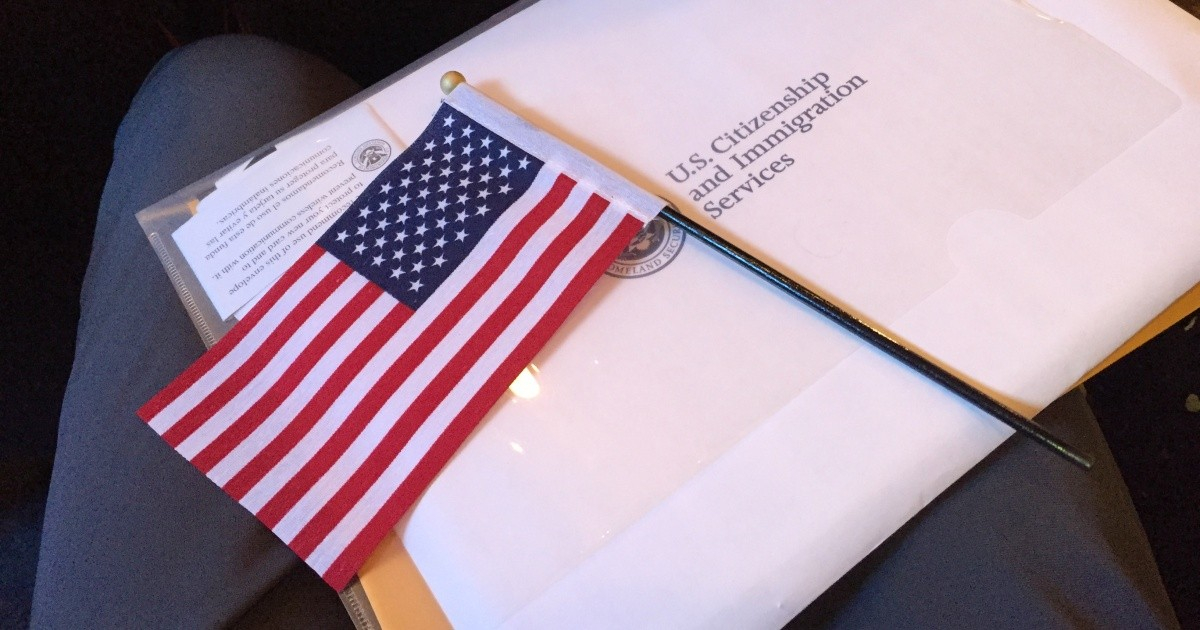
A recent decision by the Board of Immigration Appeals (BIA) of the U.S. Department of Justice has introduced a significant change for thousands of Cubans seeking permanent residency. Simply admitting to a USCIS officer that they have used or possessed controlled substances can result in the denial of a green card, even if they have no criminal convictions.
The ruling, identified as Matter of Mendez Maldonado, 30 I&N Dec. 62 (BIA 2026) and issued on September 22, overturns two long-standing precedents that have protected immigration applicants for decades: Matter of J- (BIA 1945) and Matter of K- (BIA 1957), which had been in place for 81 and 69 years, respectively.
The End of Legal Safeguards in Immigration Interviews
Under the previous guidelines, USCIS officers were required to explain the legal elements of a crime —including its statutory definition— before any admission could be used against an applicant to declare them inadmissible. This protection no longer exists.
According to an analysis by the specialized law firm Novo Legal, "a USCIS officer can question a foreign national about past behaviors during a sworn interview, and the resulting statements are valid for inadmissibility purposes as long as they were made voluntarily and the applicant received fundamentally fair procedures."
Immigration experts strongly advise, "Do not attend a USCIS interview without legal counsel and do not answer questions about past conduct without understanding the intent behind those questions. What previously required a warning from the officer is no longer necessary."
Case Study: A Mexican Citizen's Admission
The case that set this precedent involved a Mexican citizen who, during his status adjustment interview in Tucson, Arizona, admitted under oath to buying cocaine on the street, using it at home and elsewhere, using it monthly for two years, and being arrested for it.
In 2019, an immigration judge declared him inadmissible under section 212(a)(2)(A)(i)(II) of the Immigration and Nationality Act (INA), and the BIA upheld this decision while using the case to eliminate historical precedents.
Implications for Cuban Applicants Under the Cuban Adjustment Act
The impact on Cubans applying for permanent residency under the Cuban Adjustment Act is direct. While this law exempts applicants from inadmissibility due to public charge, it does not shield them from drug-related grounds outlined in the INA.
Admitting during the I-485 interview to using or possessing any controlled substance —including marijuana, even if it is legal in the state where they reside— can lead to inadmissibility.
Marijuana remains a Schedule I controlled substance under federal U.S. law, and admitting its use to USCIS can result in inadmissibility regardless of state laws.
The only available waiver under section 212(h) of the INA is extremely limited: it only covers a single instance of simple possession of up to 30 grams of marijuana and does not apply to cocaine or any other substances.
This decision also affects those applying for citizenship through the N-400 form, as admissions under oath in that process are equally subject to the new rule.
Moreover, the BIA noted that its reasoning also applies to admissions regarding crimes involving moral turpitude under section 212(a)(2)(A)(i)(I) of the INA, extending the ruling's reach beyond drug-related issues.
This ruling marks the eighth precedent issued by the BIA in four weeks favoring the government, amid the Trump administration's stricter immigration policies, and is the second in that period to overturn long-standing precedents. USCIS has also intensified its status adjustment interviews in 2026, incorporating more detailed questions about the applicant's history.
FAQs on Immigration Implications of Drug Use Admissions
What is the risk of admitting drug use during a USCIS interview?
Admitting to drug use or possession during a USCIS interview can lead to inadmissibility and the denial of a green card, even without a criminal conviction.
Does the Cuban Adjustment Act protect against drug-related inadmissibility?
No, the Cuban Adjustment Act does not protect applicants from drug-related inadmissibility grounds as outlined in the Immigration and Nationality Act.
Can legal marijuana use affect a green card application?
Yes, admitting to using marijuana, which remains a Schedule I controlled substance under federal law, can result in inadmissibility regardless of state legality.