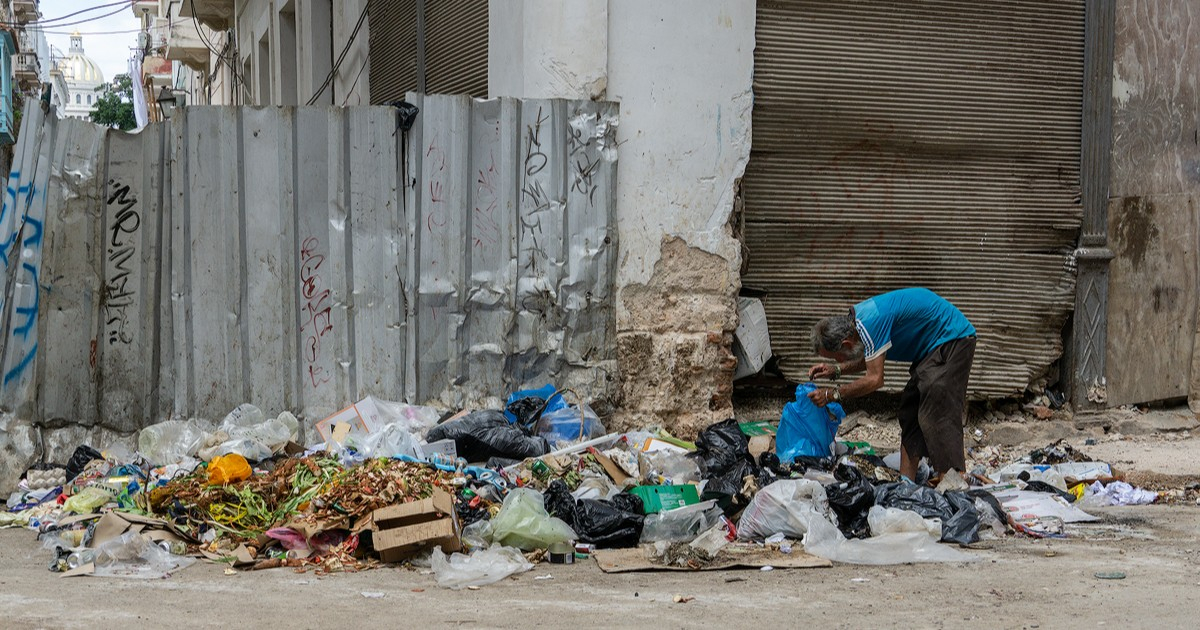
The United Nations announced on Friday the release of $160 million from its emergency fund to address humanitarian crises, including the situation in Cuba, as reported by the EFE news agency based on statements from the spokesperson for the Secretary-General, Stéphane Dujarric.
The funds, sourced from the Central Emergency Response Fund (CERF), will be distributed among a dozen countries and territories: Afghanistan, Burkina Faso, Cameroon, Chad, Cuba, Mali, Niger, the occupied Palestinian territories, Somalia, Sudan, South Sudan, and Yemen.
Out of the total $160 million, $150 million is earmarked for essential interventions in these twelve regions, while the remaining $10 million is specifically set aside to support individuals with disabilities within these crises.
Cuba is expected to receive approximately four million dollars from this allocation, a relatively small sum considering the severity of the country's ongoing emergency.
Call for Political Will and Diplomatic Action
Tom Fletcher, the UN's Under-Secretary-General for Humanitarian Affairs, emphasized that financial aid alone "will not suffice," urging greater political will to facilitate aid delivery and remove barriers hindering the organization's mission.
For the crises in Afghanistan, Sudan, South Sudan, Yemen, and Palestine, Fletcher demanded "urgent diplomatic action" to ensure that aid reaches those in dire need.
The UN also highlighted that hindrances to humanitarian access have become a significant obstacle, affecting relief efforts for eleven million prioritized individuals globally.
Funding Gaps Amidst Ongoing Emergencies
This release of funds brings the CERF's total disbursement to $483 million for the year 2026. The timing of this allocation is critical for Cuba, which saw the UN unveil an expanded Action Plan in March, valued at $94.1 million, to assist nearly two million people across 63 municipalities in eight provinces, focusing on sectors such as energy, health, water, sanitation, food, and protection.
However, by mid-September, the plan had only secured $42 million, less than half of the needed amount, leaving a shortfall exceeding $50 million.
The island's energy crisis, with power outages exceeding 20 hours a day in some areas, severely impacts access to drinking water, telecommunications, and healthcare services.
Humanitarian Challenges and External Support
In a report from September, UNICEF warned that the persistent power cuts threaten the vaccination of approximately 70,000 children, while the Office for the Coordination of Humanitarian Affairs (OCHA) noted that water shortages affect about 3.5 million people, nearly half of them in Havana.
Amidst these challenges, the UNDP dispatched over 16,000 rechargeable lamps to Cuban families affected by Hurricane Melissa, funded by CERF, while the European Union contributed 10 million euros last July to help alleviate the crisis.
This latest infusion of CERF funds supports a humanitarian plan that still falls short of securing the necessary funding to address a crisis rooted in decades of the Cuban regime's mismanagement.
Frequently Asked Questions about the UN's Humanitarian Aid to Cuba
How much funding is Cuba receiving from the UN's emergency aid package?
Cuba is slated to receive approximately four million dollars from the UN's emergency fund allocation.
What are the main challenges faced by Cuba that necessitate international aid?
Cuba is grappling with severe energy shortages, prolonged power outages affecting essential services, and a significant water crisis impacting millions of residents.
What other countries are receiving aid from the UN's emergency fund?
The UN's emergency fund also targets Afghanistan, Burkina Faso, Cameroon, Chad, Mali, Niger, the occupied Palestinian territories, Somalia, Sudan, South Sudan, and Yemen.