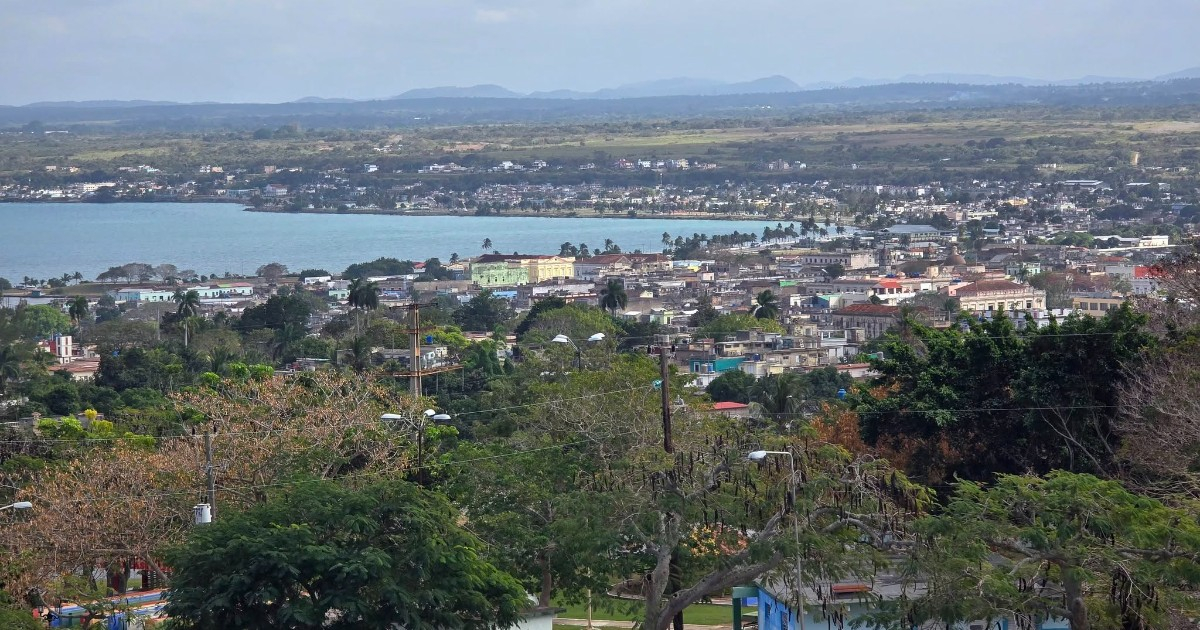
Health officials in Matanzas have raised red flags due to a persistent rise in acute respiratory infections across the province, with a heightened concern for vulnerable groups such as infants, pregnant women, and the elderly.
Yamira López, the Provincial Health Director, cautioned through the state-run Radio 26 that "this is not a calm period," emphasizing that October and November have historically been the most challenging months for epidemiological issues in the region.
The current climatic conditions—high temperatures, increased humidity, and frequent rainfall—facilitate the spread of respiratory viruses and the proliferation of the Aedes aegypti mosquito, which transmits dengue and chikungunya, creating a dual-threat scenario.
Urgent Medical Attention for Vulnerable Groups
López stressed that no infant under one year or pregnant woman showing respiratory symptoms should be assessed solely at home; they all need to receive in-person medical evaluation.
Moderate cases are handled at the secondary level within a territorial network that designates the reference hospital and inter-consultation mechanisms in each municipality.
The official also urged families not to underestimate symptoms by thinking "there's nothing to send." Delaying medical consultation, she warned, could result in severe complications and even lead to intensive care unit admissions.
Historical and Current Health Challenges
This alert comes as the Ministry of Public Health has acknowledged a nationwide increase in respiratory infections, diarrheal diseases, hepatitis, and arboviruses, attributed to "limitations in environmental sanitation systems, water treatment, and waste collection," as admitted by Deputy Minister Carilda Peña García.
Matanzas bears a particularly severe epidemiological history. In 2025, the province was the epicenter of a national chikungunya outbreak that began in the municipality of Perico and spread to five other provinces.
Cuba ended that year with over 81,900 combined cases of dengue and chikungunya and 65 associated deaths. The decline has not ceased in 2026. In May, authorities described the provincial epidemiological situation as "complex" due to hepatitis A outbreaks linked to a water crisis affecting more than 300,000 residents with an unstable water supply. By June, the first dengue cases of the season were detected.
Proactive Measures and National Outlook
On a national scale, the situation is equally troubling. According to the Global Dengue Observatory of the London School of Hygiene & Tropical Medicine, Cuba has recorded approximately 7,133 dengue cases in 2026, a figure 7.4 times higher than expected for this time of year, with the peak season anticipated in October.
Health authorities in Matanzas continue active surveillance and epidemiological monitoring, stressing that early detection is the key tool to prevent the health system—already strained by fuel shortages, power outages, and lack of supplies—from collapsing under increasing demand.
Frequently Asked Questions about the Health Situation in Matanzas
What are the main causes of the rise in respiratory illnesses in Matanzas?
The increase is mainly due to climatic conditions such as high temperatures, humidity, and frequent rain, which boost the circulation of respiratory viruses and the spread of the Aedes aegypti mosquito.
Who are the most vulnerable groups affected by these illnesses?
Infants under one year, pregnant women, and the elderly are considered the most vulnerable groups in the current health situation.
How is the health system in Matanzas responding to this crisis?
The health system is focusing on early detection and active epidemiological monitoring to manage the increasing demand and prevent system overload, despite challenges like fuel shortages and supply deficits.