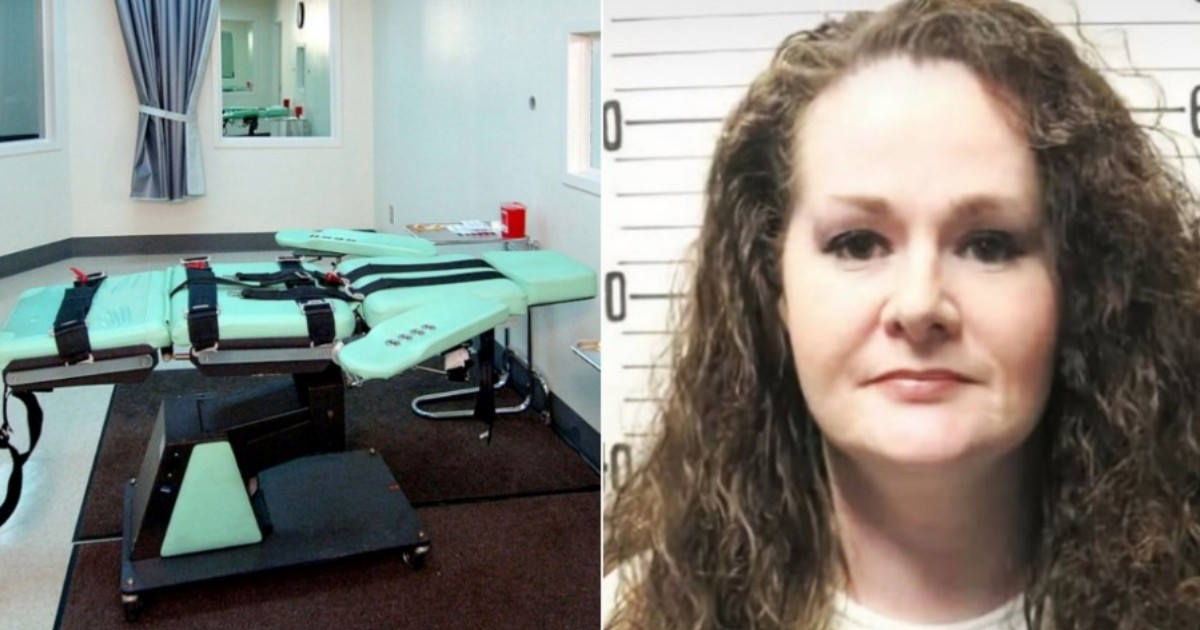
In a shocking turn of events, Christa Gail Pike, aged 50, survived two complete doses of pentobarbital during her execution attempt at the Riverbend Maximum Security Institution in Nashville, Tennessee. According to a detailed account by Telemundo, Pike was transported via ambulance from the prison and is currently in critical condition, receiving medical treatment at an external hospital.
A Gruesome Past
Pike was sentenced to death in 1996 for the murder of Colleen Slemmer, a 19-year-old victim, which occurred in 1995 in Knoxville. Her execution would have marked the first for a woman in Tennessee in over two centuries.
Legal Turmoil Surrounds Execution
The day of the execution was fraught with legal battles. Just an hour before the scheduled time, the Sixth Circuit Court of Appeals voted two to one to grant a stay, arguing the need to review Pike's claims of childhood sexual abuse and their consideration in her sentencing. Within hours, however, the U.S. Supreme Court overruled this decision after an appeal from Tennessee's Attorney General.
Notably, the Supreme Court's progressive justices—Sonia Sotomayor, Elena Kagan, and Ketanji Brown Jackson—dissented, with Sotomayor stating that the ruling expedited the execution without properly examining Pike's pending legal claims.
A Final Declaration of Hope
At approximately 7:27 PM on Wednesday, Pike was secured to the gurney. In a poignant moment, her spiritual advisor sang to her and gently stroked her forehead. Before the drug was administered, Pike made her final statement: "I am ready to be free. It is a happy day."
However, the ensuing moments were distressing. Pike expressed pain in her arm and questioned the officials about the expected sensation. The curtain separating the execution chamber from the witness area closed at 7:46 PM. It reopened three minutes later to reveal Pike still alive, making snoring-like noises.
Unanticipated Drug Failure
The prevailing theory points to an issue with intravenous access. Attorney Randy Spivey noted at least seven needle marks on Pike's left arm during attempts to establish a line. Pike reportedly guided the officials, suggesting alternative sites for the needle placement.
Attorney Steve Ferrell revealed that Pike had a lifelong blood disorder complicating needle insertion, likely causing the pentobarbital to infiltrate muscle tissue instead of entering her bloodstream. Without sufficient blood concentration, the drug couldn't induce the apnea or cardiovascular failure necessary for death.
Robin M. Maher, Executive Director of the Death Penalty Information Center, described the incident as "unprecedented": while others had survived intravenous access issues before drug administration, Pike's case was unique in surviving after receiving the drugs.
State's Protocols Under Scrutiny
The Tennessee Department of Correction stated that it followed "every step of the legal execution protocol," yet offered no explanation for the failure. Since 2024, Tennessee has used a single-drug protocol—pentobarbital—for executions.
This marks the second failed execution attempt in Tennessee in 2026; earlier in May, the lethal injection of Tony Carruthers was halted due to unsuccessful IV line placement, although no drugs had been administered then.
Governor Bill Lee deemed the incident "deeply troubling," ordered an external review of the procedure, and indefinitely postponed another scheduled execution in the state.
Pike's attorneys have called for her death sentence to be commuted, arguing her ordeal amounted to torture. The UN's High Commissioner for Human Rights has also urged Tennessee not to attempt executing her again.
Meanwhile, May Martinez, mother of victim Colleen Slemmer, who traveled to Nashville for the execution, expressed her anguish to the Associated Press: "It was a disaster. I didn’t get justice for my daughter."
Understanding the Execution Failure
What caused Christa Gail Pike to survive the lethal injection?
Pike's survival is attributed to difficulties with intravenous access, possibly due to a blood disorder that impeded proper needle placement, leading the drug to infiltrate her muscle tissue instead of her bloodstream.
How did the legal system respond to the execution attempt?
The execution was initially stayed by the Sixth Circuit Court of Appeals to review Pike's abuse claims but was later overruled by the U.S. Supreme Court, allowing the execution to proceed.
What actions has Tennessee taken following the failed execution?
Governor Bill Lee has ordered an external review of the execution procedure and postponed another scheduled execution indefinitely.