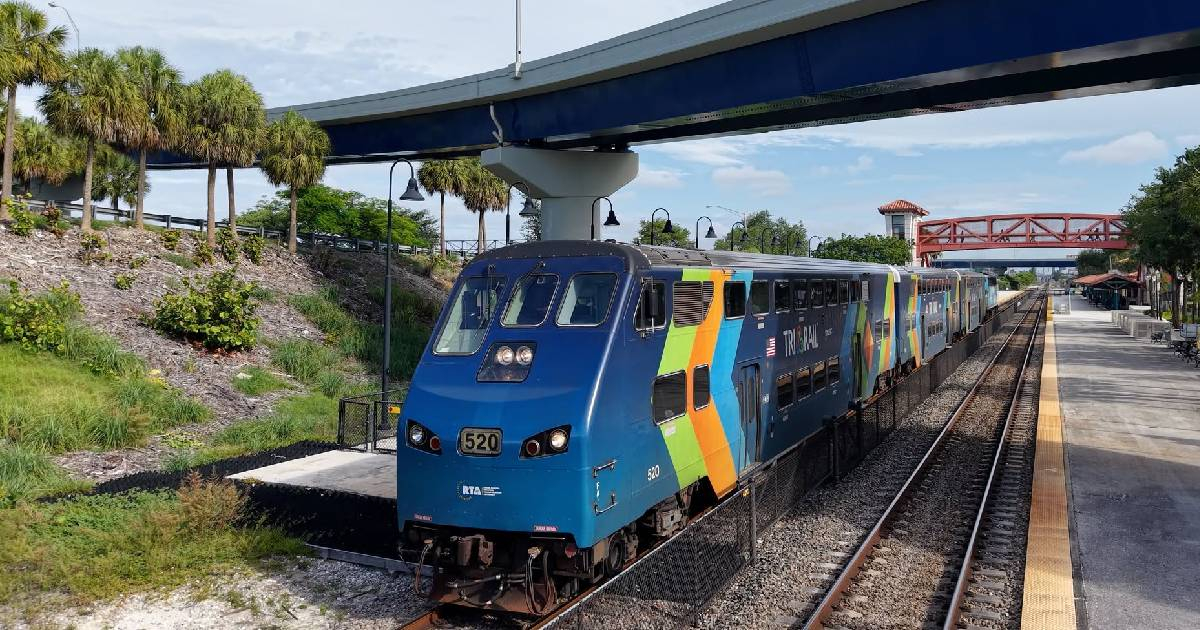
Starting Thursday, commuting by train in South Florida will cost more as Tri-Rail implements a 10% fare hike across all its tickets, including single rides, round trips, 12-trip passes, and monthly passes. This is the first increase since 2019, impacting thousands of residents in Miami-Dade, Broward, and Palm Beach, particularly the large Cuban community in Hialeah that relies on the system for their daily work commute.
The South Florida Regional Transportation Authority (SFRTA) approved this fare adjustment following a public hearing on June 26. The updated fare structure is as follows: a journey within one zone rises from $2.50 to $3, two zones from $3.75 to $4, three zones from $5 to $6, four zones from $6.25 to $7, five zones from $7.50 to $8, and six zones from $8.75 to $10.
The regional monthly pass increases from $155 to $165, while the weekend flat fare remains at $5. Discounts for eligible riders continue to offer a 50% reduction on full fares.
For those traveling five days a week across three zones—such as between Hialeah and Miami or Hialeah and Fort Lauderdale—the monthly cost of single tickets rises from about $100 to approximately $120.
Financial Struggles Behind the Fare Increase
Diane Hernandez Del Calvo, the deputy executive director of SFRTA, defended the fare hike, stating, "Tri-Rail remains a vital and affordable transportation option for residents, regular commuters, and visitors throughout the region. This fare adjustment is part of our strategy to sustain the service and ensure the system's financial sustainability in the long run."
The fare increase stems from a structural financial crisis. The agency approved a budget of $150.2 million for the 2026-2027 fiscal year, relying on a state subsidy of just $15 million, which is far below the statutory minimum of $42.1 million. Without new revenue streams, SFRTA warned that the system might only operate until July 2027.
Tri-Rail connects 19 stations over 73 miles between MiamiCentral and West Palm Beach. For the Cuban community in Hialeah, key stops include the Hialeah Market and the transfer station with the Metrorail in Hialeah (2567 East 11th Avenue), where regional pass holders have free access to Miami-Dade's Metrorail.
Brightline's Bankruptcy and Its Implications
Complicating the rail transport landscape in South Florida, Brightline, the private company operating the train between Miami and Orlando Airport, filed for Chapter 11 bankruptcy in a New Jersey court last Friday. The company amassed approximately $5.5 billion in debt due to years of revenue and passenger numbers falling short of expectations.
In 2025, Brightline transported 3.1 million passengers and generated $214 million in revenue, compared to an initial projection of 6.6 million passengers and $485 million. The average fare for long-distance trips was 19% lower than anticipated due to aggressive discounting strategies aimed at attracting travelers.
The bankruptcy affects Brightline Holdings LLC and other parent entities, but expressly excludes the operating company, Brightline Trains Florida LLC, meaning the trains continue to run normally. The company secured $258 million in financing during the restructuring process, with creditors committed to providing an additional $490 million once the bankruptcy concludes.
This context of rising living costs in Miami—surpassing New York's for the first time in 2026—makes the increased public transport expenses particularly burdensome for Cuban families and other low to middle-income residents who depend on trains for their daily routines.
For those needing to review the new fare schedule, visit tri-rail.com or call 1-800-TRI-RAIL (874-7245).
FAQs About the Recent Tri-Rail Fare Increase and Brightline Bankruptcy
Why did Tri-Rail increase its fares?
The fare increase is part of a strategy to maintain the service and support the long-term financial sustainability of the system, amidst a structural financial crisis and insufficient state subsidies.
How does Brightline's bankruptcy affect its operations?
Brightline's bankruptcy affects its holding company and parent entities but not the operating company, which means trains are still running as usual. The company has secured funding to continue operations during restructuring.
What impact does the fare increase have on regular commuters?
Regular commuters, especially those traveling across multiple zones, will see a noticeable increase in their monthly transportation costs, which could strain budgets, especially for low and middle-income households.