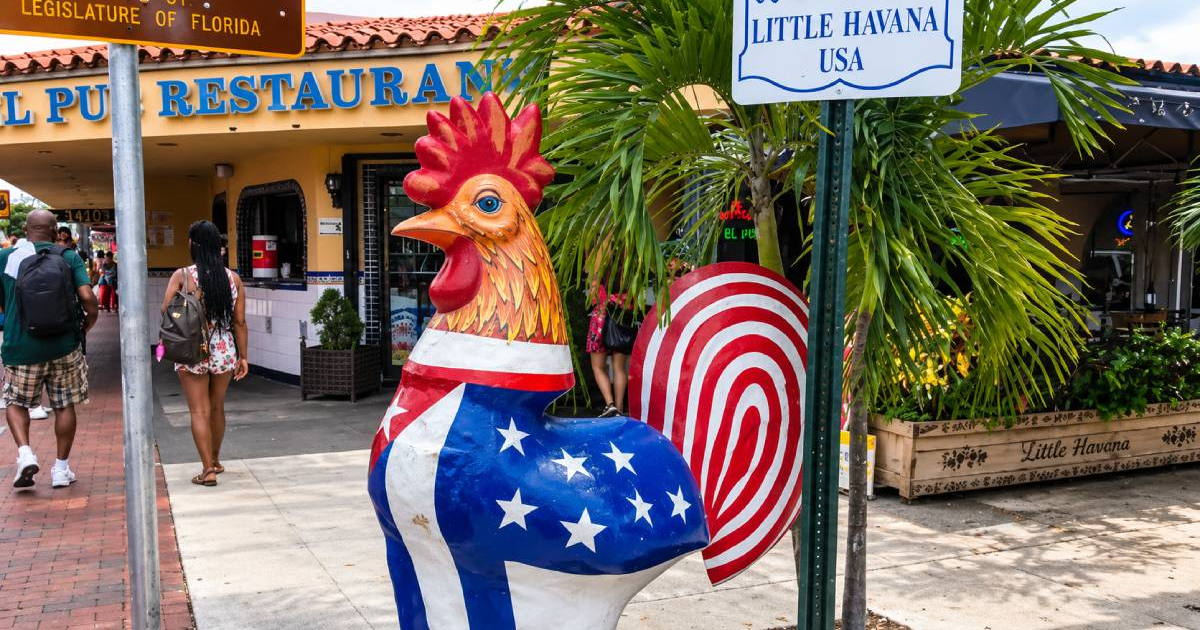
This Thursday through Saturday, Miami is hosting a series of community workshops at the José Martí Park gymnasium. The aim is for residents and business owners in Little Havana to identify key features of the neighborhood that should be preserved before new design rules for the future Neighborhood Revitalization District (NRD) are drafted.
This effort serves as a direct update to the rezoning proposal approved on September 3 by Miami's Planning and Zoning Board. The proposal allows for buildings up to 12 stories in certain parts of the neighborhood. It passed with a seven-to-three vote and still requires approval from the Miami Commission, state scrutiny, and a final vote before it becomes law.
During the workshops, local residents, business owners, and urban planners highlighted what they consider non-negotiable elements: a house from 1922, street-facing balconies, quaint coffee windows, and buildings adorned with long-standing architectural details.
Resident Raissa Fernández expressed her admiration for the neighborhood's unique character: "You can see the neighbors from the second-story balconies. You can still hear the music. That’s one of the things I love about my neighborhood and my grandfather's."
For property owner Alfredo Durán, the main challenge lies in ensuring that growth does not erase the area's historical memory. "It's crucial to maintain Little Havana's historical character," he said. "We shouldn't start building a lot of modern high-rises. This neighborhood has history, and that history needs to be preserved."
Commissioner Rolando Escalona, a leading advocate of the initiative, emphasized the importance of community input: "This workshop and walkthrough are about letting residents tell us what they want to see in Little Havana. The future of Little Havana will be shaped by them."
From a development perspective, Juan Mullerat of Plusurbia Design—the firm that crafted the neighborhood's master plan alongside the National Trust for Historic Preservation—argues that new zoning can coexist with the area's identity. "We need zoning that allows developers to invest in the neighborhood, increasing housing while ensuring Little Havana remains Miami's vibrant heart," he stated.
The proposal under consideration would permit buildings of up to five stories where currently only three are allowed, eight stories in other areas, and up to 12 stories with certain incentives. This change would affect about 460 properties and nearly 100 acres along Southwest 7th Street and parts of 9th Street. Calle Ocho is excluded as it already allows for taller structures.
The debate occurs amid rising real estate pressures on the neighborhood. The case of the Silver Court mobile home park exemplifies this vulnerability, where about 30 families—mostly low-income elderly Cuban and Latino immigrants—face eviction, with a court hearing set for October 6.
Designated a "National Treasure" by the National Trust for Historic Preservation in 2017, Little Havana is home to nearly 20% of Miami's rental units, with over a quarter of them costing under $1,000 a month. This makes it one of the last bastions of affordable housing in an increasingly expensive city.
Once this week's workshops conclude, the proposal will have to navigate a lengthy institutional process: it must pass through the Planning and Zoning Board, the Miami Commission, state review, and a final vote before any new construction rules take effect in the neighborhood.
Preserving Little Havana: Key Questions and Answers
Why is Little Havana considered historically significant?
Little Havana is recognized for its rich cultural heritage, characterized by historic architecture, vibrant community life, and its role as a cultural hub for Cuban-Americans and other Latino communities.
What is the Neighborhood Revitalization District (NRD)?
The NRD is a proposed district aimed at updating zoning laws to allow for new developments while preserving the neighborhood's historic character and providing affordable housing options.
How will the proposed zoning changes impact Little Havana?
The zoning changes would allow taller buildings in certain areas, potentially increasing housing availability but also raising concerns about maintaining the neighborhood's historic and cultural identity.
What are the community's concerns regarding new developments?
Residents fear that modern high-rises could overshadow the area's historical charm and displace low-income families who rely on affordable housing options.