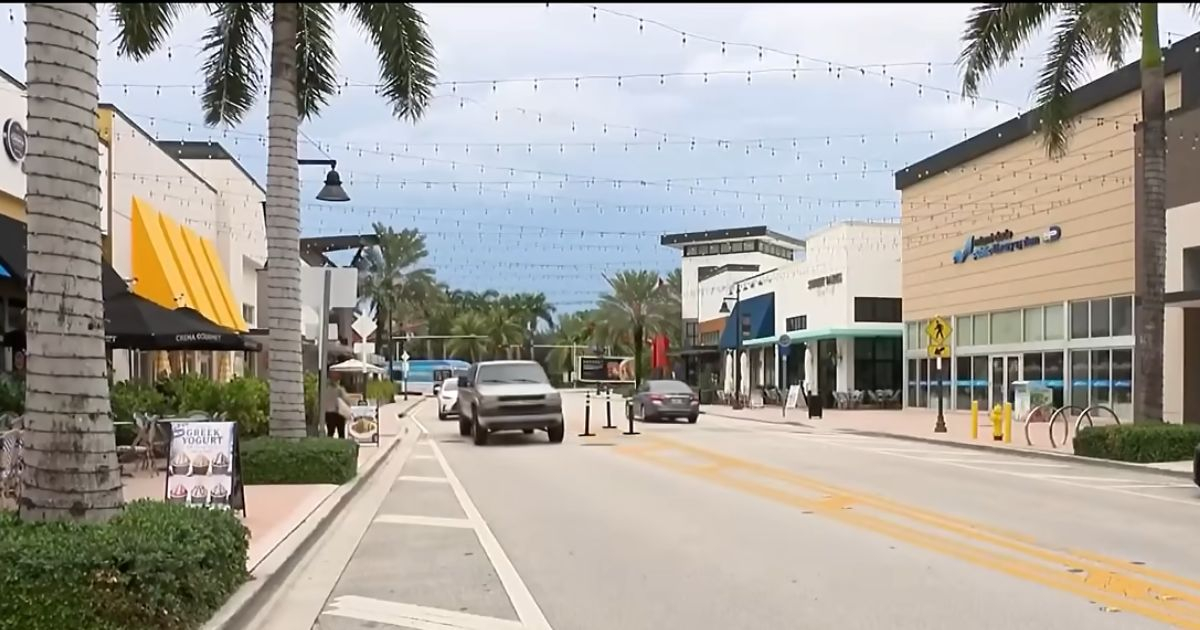
Weeks after business owners in Doral began sounding the alarm over empty venues and significant revenue losses, the fear of immigration raids continues to disrupt consumer behavior and the operations of small businesses in Miami-Dade. This situation has led to a dual impact: customers opting to stay home and employees quitting their jobs due to the fear of being detained.
Insights gathered by CBS News Miami and Univision 23 reveal that restaurants, food stands, and other small enterprises are still grappling with the consequences of intensified operations by the U.S. Immigration and Customs Enforcement (ICE).
Reports emerging from Homestead and other areas in the county indicate diminished commercial activity whenever news of immigration agents' presence surfaces.
Currently, the available figures are based on merchants' estimates rather than official statistics on Miami-Dade's economic activity. Nevertheless, some testimonies underscore the significant blow they claim to be experiencing.
Katia Rios, from Pipo Burgers, stated that sales have plummeted by about 70%.
"People are scared to go out. It's affecting us," she said, describing long hours with few patrons.
Impact on Business Operations
More than a week ago, Doral business owners had already warned of steep sales declines and employee resignations linked to fear sparked by immigration raids.
Another example is Miguel Angel Flores, a food truck owner. He told Univision that before the raids intensified, he sold between 150 and 200 food items daily; now he claims to sell just about 30 on some days.
"I fear going out, but I have to work," Flores stated. His sales drop, like those reported by other owners, is based on personal estimates rather than audited data or information from public agencies.
Worker Exodus Amid Rising Fears
The issue is not limited to customers. Some small businesses have lost employees who, despite having work permits or pending asylum applications, fear being detained in encounters with immigration authorities.
Angelica Yepez, co-owner of a restaurant, shared with CBS News Miami that she was left with only one employee after six workers quit over fears of detention, despite having applied for political asylum.
Univision documented similar cases: owners reported losing much of their staff in a matter of days, while other establishments have seen a drop in customer numbers. Even a karate school reported that its enrollment fell by about half in three weeks.
The impact is particularly felt in businesses reliant on daily customer traffic—restaurants, food trucks, cafés, and personal services. In Doral, local commerce analyses also point to beauty salons, small shops, and service businesses as vulnerable sectors, although no official figures are available to determine the exact extent of their revenue loss.
This phenomenon extends beyond Doral's boundaries. In Homestead, CBS News Miami collected testimonies from restaurant workers since July who claimed that the presence or rumors of ICE operations significantly reduced customer turnout.
"Our business has been affected because fewer people are going out to eat," explained Marta Rodea, an employee at Lucky Meat Cafeteria.
Another worker recalled that the establishment was nearly empty on July 4 after information circulated about ICE presence in a nearby area.
Community Reactions and Political Tensions
A report published this past weekend described similar situations in other Miami-Dade communities: residents reducing outings, altering routines, or avoiding work and businesses.
In Little Haiti, behavioral changes have also been observed following the loss of certain immigration protections.
Christi Fraga, Mayor of Doral, has acknowledged that fear is having consequences on the local economy. However, she insists that a city cannot prevent a federal agency's operations.
"This is federal law. We cannot stop ICE agents from entering cities and conducting operations, whether we agree with how they’re carried out or not," she told CBS News Miami.
Fraga has questioned cases of individuals seeking protection in the United States who later became exposed to deportation. In a previous interview, she specifically mentioned Cubans fleeing the island.
"How can you send someone back to Cuba? Even Cuba is not accepting some, and they end up in Africa. What is happening?" asked the mayor, who also mentioned Haitian asylum seekers fearing return to their country.
Fraga has also recognized abuses within the immigration system, emphasizing that the U.S. has the right to act against individuals who pose a threat. Her criticism has focused particularly on the scope of measures affecting immigrants with pending processes or those claiming refuge from governments like Cuba's.
Pressure Over the 287(g) Agreement
The deteriorating climate among residents and merchants has increased pressure for Doral to terminate its 287(g) agreement with ICE, which grants certain immigration collaboration powers to local police agencies.
On September 22, former legislators and activists gathered outside City Hall to demand the agreement's termination. Among them were former federal representative Joe Garcia and South Miami Mayor Javier Fernandez, whose city did not sign a similar agreement.
Fraga later stated that she signed the agreement under pressure from Florida state authorities after being warned of potential repercussions for officials and police departments that did not cooperate.
She also maintains that the Doral police do not participate in federal raids or share resident information with ICE.
The mayor has not yet announced the agreement's termination and mentioned awaiting a determination from Florida's attorney general before deciding her next steps.
Government Stance on ICE Operations
The Trump administration argues that these operations are part of enforcing immigration laws and delivering on the president's campaign promises.
On September 11, the White House's chief of border policy, Tom Homan, defended ICE's operations when questioned about the fear they generated in Doral.
"Those who supported President Trump voted for him to enforce immigration laws and secure the border," Homan stated.
The government asserts that federal authorities have the power to detain and deport individuals without legal grounds to remain in the United States.
Additionally, the administration has advocated for expanding detention and deportation capacity as a central component of its immigration policy.
Key Concerns About ICE Operations in Miami-Dade
What impact have ICE operations had on small businesses in Miami-Dade?
ICE operations have led to a significant drop in customer traffic and sales for small businesses, as consumers opt to stay home and employees leave their jobs due to fear of detention.
Why are employees quitting their jobs in Miami-Dade?
Employees, even those with work permits or pending asylum applications, are quitting out of fear of being detained by immigration authorities during ICE operations.
What is the 287(g) agreement and its relevance in Doral?
The 287(g) agreement allows local police agencies to collaborate with ICE in immigration enforcement. In Doral, there is growing pressure to terminate this agreement due to its impact on community relations.