South Florida is grappling with an unprecedented wave of restaurant closures, and national statistics shed light on the reasons behind this troubling trend.
The National Restaurant Association reports that July marked the 17th instance in the past 18 months where restaurant operators nationwide saw a net decline in customer traffic. Nearly 49% of establishments experienced fewer visits compared to the previous year.
The issue isn't that Americans have stopped dining out entirely—rather, they're dining out less frequently, making more comparisons, and demanding greater value for their money. Unfortunately, restaurants, which already operate on razor-thin margins, are struggling to keep up.
This imbalance is particularly pronounced in Miami and surrounding areas, where commercial rents that once hovered around $60 per square foot have skyrocketed to over $100, with prime locations exceeding $200. Lease agreements often require commitments of a decade or more, with annual rent increases of at least 3%.
Compounding these challenges, Florida's minimum wage rose to $15 per hour for non-tipped workers this past Wednesday, and many restaurants are already paying $17 or more to retain kitchen staff.
Notable Restaurant Closures Highlight the Crisis
The summer of 2026 saw several high-profile restaurant closures in Miami, illustrating the scope of the issue:
- Yardbird Southern Table & Bar shuttered its original Miami Beach location on August 5 after 15 years on Lenox Avenue. By September 21, its parent company filed for bankruptcy protection with nearly $25 million in secured debt.
- Hillstone Bal Harbour abruptly closed on August 10 after 11 years at Bal Harbour Shops, without offering any public explanation.
- Mr. Chow Miami Beach closed its doors in June after nearly 17 years at the W South Beach.
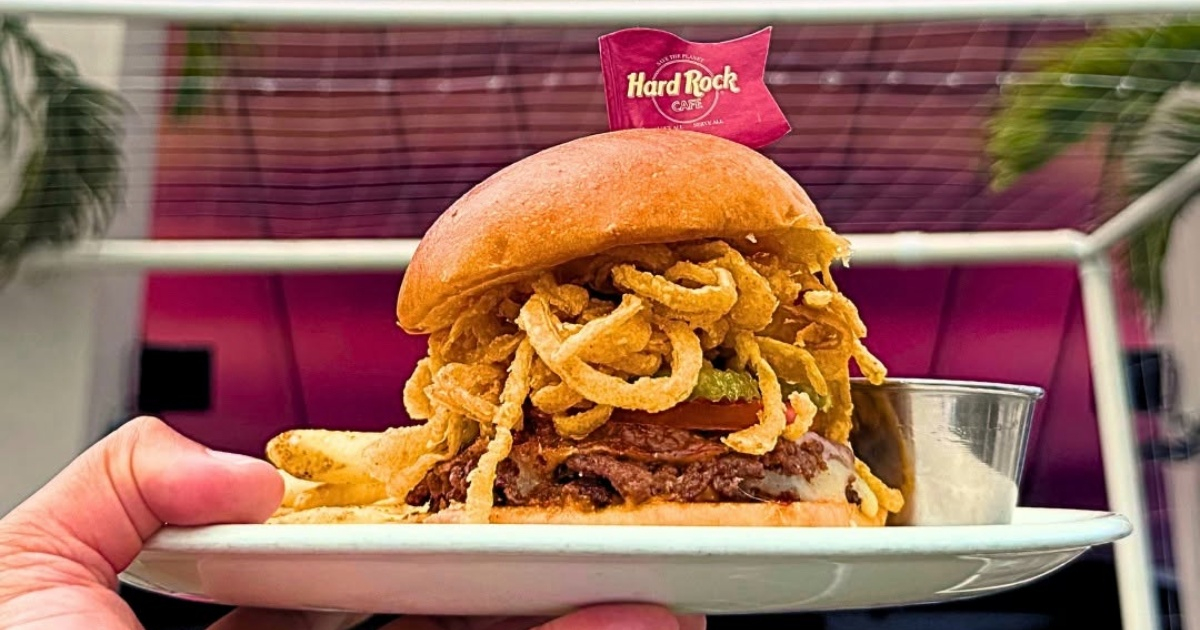
- Hard Rock Cafe Miami served its final meal on August 19 at Bayside Marketplace, almost 33 years after opening, leaving 117 employees jobless when its lease expired and wasn't renewed.
- Other closures include Sultan, a South Beach staple for 38 years, and La Latina, a Venezuelan culinary favorite in Edgewater for 15 years, both shutting down in August.
Struggles of Small Operators
The plight of franchisee Quality Fresca I exemplifies the crisis on a larger scale. As one of the leading operators of Moe's Southwest Grill, the company filed for Chapter 11 protection on August 4, closing 16 restaurants, 14 of which were in Florida.
The paradox is telling: Quality Fresca generated nearly $58.9 million in net sales in 2025 but recorded a negative consolidated EBITDA of approximately $111,000. By year's end, the company had amassed $44 million in assets against $52 million in liabilities and $16 million in secured debt. High volume, no margin.
Small operators are particularly hard-hit by these economic pressures. Tom Rhodemeyer, owner of Pigsty Barbecue in Boynton Beach, closed his original location after a decade, summarizing the industry's reality: "When you finish reviewing all the bills, you have to decide if you can pay yourself that week."
Family-run restaurants, cafes, and kiosks in Hialeah and Calle Ocho—many operated by Cubans and other Latin Americans—are especially vulnerable. They face tighter margins, less access to financing, and a local clientele also feeling the economic pinch from rising housing and basic goods costs.
To survive, operators are turning to smaller menus focused on dishes with better margins, increasing reliance on delivery services, and sharing space with other businesses, as Rhodemeyer did by integrating into Bungalow Bar and Grill.
Miami Spice Extends Amid Challenges
Amidst this challenging landscape, the Miami Spice Restaurant Months program, a culinary initiative offering fixed-price menus at participating Miami and Miami Beach restaurants, is extending by an additional month.
The Greater Miami Convention and Visitors Bureau has prolonged the 25th edition of this culinary event until October 31, following a record participation of 405 restaurants during August and September.
While Miami Spice has occasionally extended into a third month before, it hasn't happened in nearly a decade. This time, the extension isn't due to a hurricane's impact but rather the 25th anniversary of Miami Spice and the record-breaking participation of restaurants in this edition.
The extension comes at a particularly complex time for the sector, providing participating restaurants with an added opportunity to attract diners through fixed-price menus, amidst rising costs, reduced foot traffic, and increasing competition for consumer spending.
Understanding the South Florida Restaurant Crisis
Why are so many restaurants closing in South Florida?
The surge in restaurant closures in South Florida is primarily due to a combination of declining customer traffic, rising commercial rents, increasing minimum wages, and the high operational costs that make it difficult for restaurants to maintain profitability.
How are small restaurant operators coping with the crisis?
Small operators are adapting by offering smaller menus with higher-margin dishes, relying more on delivery services, and forming partnerships to share space with other businesses, thereby reducing operational costs.
What role does Miami Spice play in this context?
Miami Spice provides a crucial opportunity for restaurants to attract customers with fixed-price menus, helping them maintain traffic and revenue during a period marked by economic challenges and increased competition.