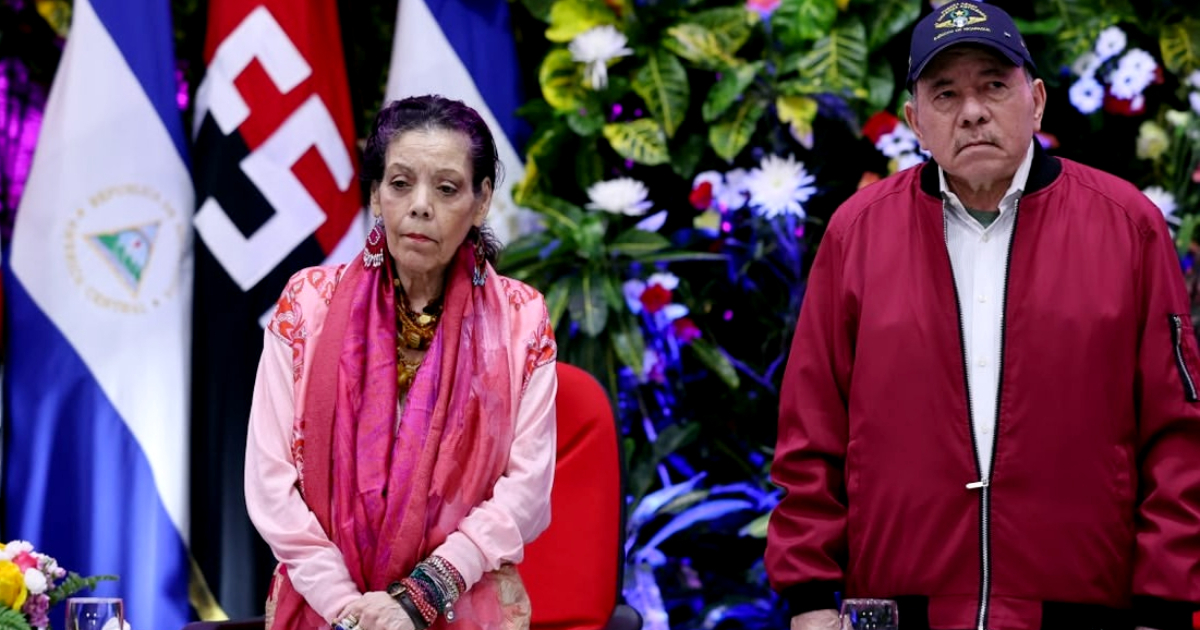
The Organization of American States (OAS) is set to convene its 31st Meeting of Foreign Ministers this Friday to delve into the ongoing political turmoil in Nicaragua, as per an official announcement from the organization.
The decision to call this meeting was approved on September 23 by the OAS Permanent Council, following a proposal by Paraguay, Argentina, Chile, the United States, and Peru. The gathering is scheduled for 11:00 AM EDT (15:00 GMT) at the Hall of the Americas in the OAS headquarters in Washington D.C., and will be broadcast live with interpretation in Spanish, English, French, and Portuguese.
Constitutional Changes Spark International Outrage
The immediate cause for concern is the constitutional reform passed by the Nicaraguan Congress on the first vote on September 1, according to Reuters. This legislation, driven by Daniel Ortega and Rosario Murillo, aims to block opposition participation in elections, extend the presidential term from six to seven years, and postpone the elections scheduled for November to 2028.
The reform includes extensive provisions to disqualify candidates accused of engaging in a "coup," inciting "foreign interference," or supporting sanctions against the state. It requires a second vote in the National Assembly, set for January 18, 2027, to be enacted.
A Pattern of Repression
This electoral shutdown is part of a broader pattern of repression that has persisted for years. Human Rights Watch documented at least 87 political prisoners in Nicaragua by 2026 and reported six deaths in custody since 2019.
The regime has shut down over 5,600 non-governmental organizations, closed at least 58 media outlets, and stripped more than 450 individuals of their nationality since 2018. A UN report from September 2026 recorded numerous enforced disappearances and at least eight deaths of detainees since that year.
U.S. Intensifies Pressure on Ortega's Regime
The Trump administration ramped up pressure on Managua throughout 2026. Secretary of State Marco Rubio labeled the regime an "enemy of humanity" in June and warned in July that the United States would not stand idle over Nicaragua's announcement of canceling future elections.
Washington has also held Ortega and Murillo accountable for the death of indigenous opposition leader Brooklyn Rivera, who died in custody on May 30, 2026.
In April, the U.S. sanctioned the ruling couple's children and seven mining companies linked to the regime. By June, visa restrictions were imposed on more than 100 additional officials, bringing the total number sanctioned under the Trump administration to over 2,350 individuals.
Nicaragua's Defiance and Alliances
The Ortega-Murillo regime maintains a close political alliance with the Cuban government. Just three days before the OAS meeting, Nicaragua reaffirmed its "firm and unwavering solidarity with the heroic Cuban people" at the UN General Assembly, expressing support for Cuba, China, and Russia. Both regimes align their stances in multilateral forums and share a narrative opposing international pressure.
Having withdrawn from the OAS in 2023, Nicaragua does not recognize the organization's authority, thus the meeting on Friday will proceed without Managua's participation.
In June 2026, the 56th OAS General Assembly in Panama had already unanimously passed a resolution condemning human rights violations in Nicaragua, demanding the restoration of democracy and the release of political prisoners.
Understanding the OAS Meeting on Nicaragua
What prompted the OAS to convene a meeting on Nicaragua?
The meeting was prompted by concerns over Nicaragua's constitutional reform that limits opposition participation and extends presidential terms, raising alarms about democratic backsliding.
Why is Nicaragua not participating in the OAS meeting?
Nicaragua withdrew from the OAS in 2023 and does not recognize its authority, leading to its absence from the meeting.
How has the U.S. responded to the situation in Nicaragua?
The U.S. has increased pressure on Nicaragua by imposing sanctions on regime-linked individuals and companies, and condemning human rights violations.