According to an analysis by the Miami Herald, the recent leaks concerning U.S. military planning related to Cuba are a calculated strategy to exert pressure, rather than a sign of impending action.
Brian Fonseca, Vice Provost of Research in Defense and National Security at Florida International University (FIU), expressed this viewpoint in comments gathered by journalist Nora Gámez Torres in a report published Monday.
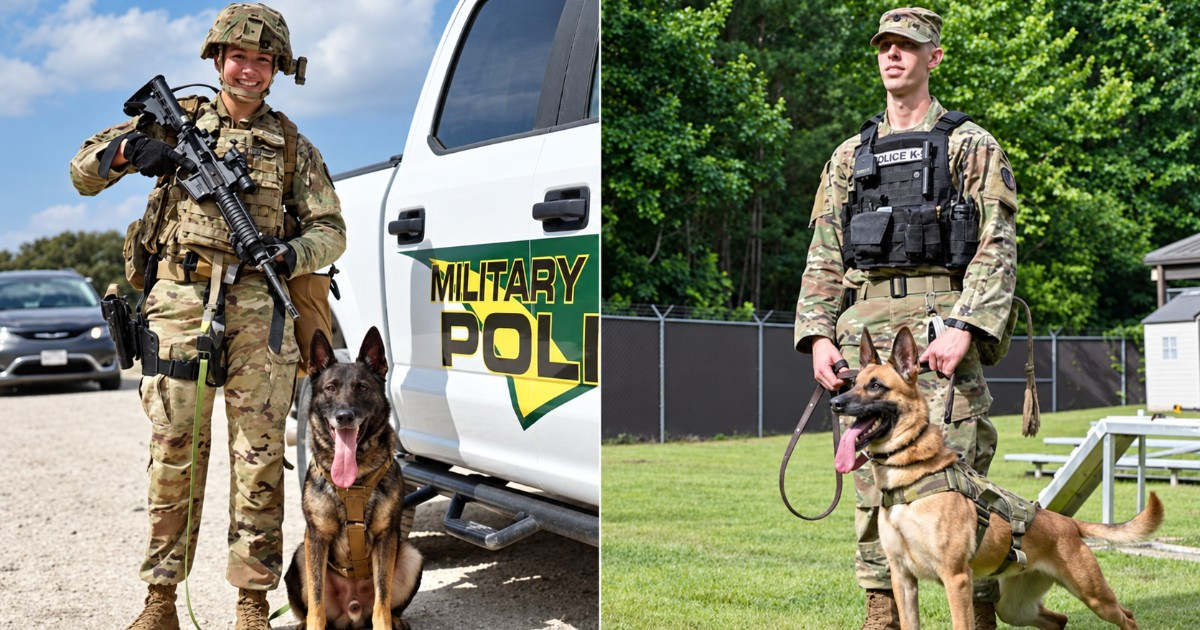
The immediate trigger was a CBS News report on Friday, which disclosed an internal message from the U.S. Army Reserve evaluating whether it could supply the Southern Command with military police units, medical personnel, engineers, and logistical support within 90 to 120 days.
While the document doesn't specifically mention Cuba, several U.S. officials, speaking anonymously, confirmed to CBS that the request is part of ongoing military planning linked to the island.
Fonseca is clear about the nature of these units: "The planning seems centered on military assets that would support some form of humanitarian response or intervention."
The units listed—military police, medics, engineers, logistics—are functionally aligned with stabilization missions, humanitarian assistance, and reconstruction, rather than offensive combat units.
However, Fonseca delves deeper into the political implications, stating that the leaks serve a dual political purpose: "They also aim to send a message to the domestic electoral base, which has expectations for change just before the midterm elections."
This interpretation aligns with the strategy Fonseca attributes to Secretary of State Marco Rubio: "Rubio is seeking a negotiated strategy. He's not looking for rapid, disruptive change. He mentioned over the summer that change won't happen now; it will be toward the end of the administration."
"He's trying to manage expectations. I believe this is part of the domestic issue at play: setting expectations among the South Florida base, which is fervently Republican, before the elections," the expert added.
President Donald Trump downplayed the likelihood of military action on Saturday, telling reporters, "I'd say Cuba and we will make a deal. I don't think we need the military." He added that "Cuba is failing very badly" and that Washington desires to "open Cuba" to Cuban Americans wishing to return.
The Cuban regime's response came the following day. Deputy Foreign Minister Carlos Fernández de Cossío told C-SPAN that any use of military force would be "a heinous international crime" and admitted, in a rare moment of candor, that Cuba might face an attack alone, citing the tepid response from traditional allies Russia and China to U.S. pressure.
The September leaks add to a previous report from July, where CBS noted Pentagon planners had considered options, including an airborne assault led by the 101st Airborne Division, without any final decision.
In May, Axios revealed that Southern Command had already conducted a multi-agency tabletop exercise on action plans for Cuba, clarifying at that time there was no planned or imminent invasion.
During the week of the U.N. General Assembly, Trump labeled Cuba as a "completely failed state" and predicted the country would "fall," while Rubio offered the regime a "golden opportunity" to move toward political and economic freedom, promising that Washington could work with Cuban actors whose hands weren't "stained with blood."
Fonseca had previously warned in April that a military intervention in Cuba would be relatively straightforward from an operational standpoint, given the deterioration of Cuban military equipment, but that the real challenge would come afterward, in the post-intervention political transition.
Key Insights on U.S. Military Plans Related to Cuba
What is the purpose of the leaked U.S. military plans concerning Cuba?
The leaks are intended as a strategic move to pressure the Cuban regime, rather than indicating an imminent military operation.
How do the leaked military plans aim to influence U.S. domestic politics?
The leaks serve to manage expectations among the U.S. electoral base, particularly in South Florida, ahead of the midterm elections, signaling potential changes in U.S.-Cuba relations.
What units are mentioned in the leaked military plans for Cuba?
The plans involve military police, medical personnel, engineers, and logistical support units, which are aligned with humanitarian and stabilization missions.