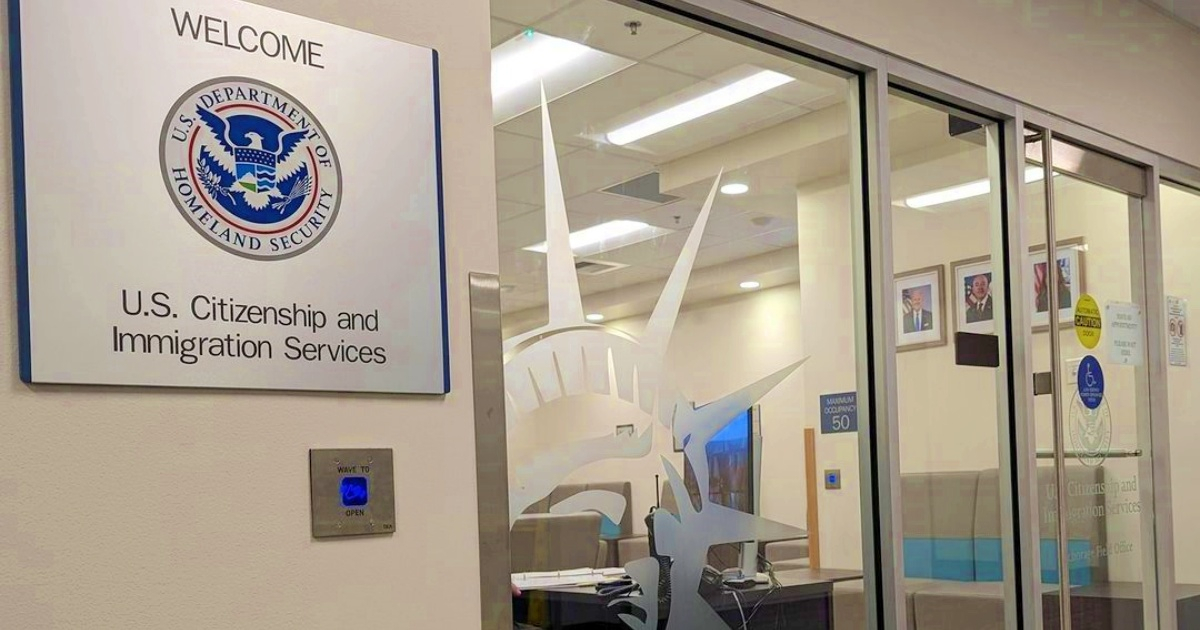
The United States Citizenship and Immigration Services (USCIS) has begun sending out a new type of notice to many of its applicants, detailing the use of their fingerprints, photographs, and other biometrics for FBI background checks. This notification has caused a stir among immigrants with pending applications.
This document, titled "FBI Privacy Requirements for Biometrics Collection by USCIS," outlines how the agency utilizes applicants' biometric data to check criminal history records. It also reveals USCIS's integration into a system known as Continuous Immigration Vetting (CIV), which is a method of ongoing immigration screening.
A crucial aspect clarified by the letter is that recipients do not need to take any immediate action.
"No additional steps are required from you at this time. You will receive a separate notification if USCIS needs more information," the document states.
Therefore, obtaining this communication does not imply that USCIS has discovered any criminal records, that there's an issue with the application, or that it has been denied. It also does not constitute a new appointment for fingerprinting.
Immigration attorneys have reported that many clients with pending applications, including those applying for naturalization with the N-400 form, are receiving these notices. According to Capitol Immigration Law Group, USCIS started sending a wave of these privacy notices in September as part of incorporating pending cases into the FBI's continuous vetting system.
Cuban journalist Daniel Benítez also mentioned on social media that receiving this letter does not mean the recipient has a criminal record or issues with their file. He emphasized that USCIS will send another notice if additional information is needed.
Understanding Continuous Immigration Vetting
While these letters are gaining attention, the concept of Continuous Immigration Vetting is not new. Documents from the Department of Homeland Security (DHS) indicate that USCIS adopted this model in 2017. Unlike a one-time check, CIV operates based on events, allowing USCIS to receive updates on criminal background information during the processing of an immigration benefit.
The notice being sent to applicants also elaborates on their rights under federal law. These rights include being informed that their biometric data will be used to check FBI records, requesting a copy of their identity history, and seeking corrections to any information they believe is incorrect or incomplete.
The distribution of these letters comes months after USCIS intensified background checks on millions of immigration files.
By the end of April, USCIS had already implemented additional checks which involved resubmitting stored fingerprints of applicants with pending cases to the FBI system. This measure affected around 12 million applications, including asylum, permanent residency, and citizenship files. A USCIS spokesperson confirmed that the agency had expanded access to federal criminal databases, assuring that case processing would continue under the new requirements.
Following these changes, delays in various immigration processes were noted. Internal guidelines directed the resubmission of fingerprints for pending cases and advised against approving applications that hadn't undergone the enhanced background checks.
The current letters help clarify another part of this process: how USCIS can use collected biometrics to keep FBI checks updated while certain cases remain open.
For immigrants receiving only this notice, the instruction within the document is clear: do not respond or initiate any new procedures unless USCIS subsequently sends another communication requesting it.
FAQs on USCIS Biometrics Notices
What should I do if I receive a USCIS biometrics notice?
You do not need to take any action at this time. If USCIS requires further information, they will send a separate notification.
Does receiving this notice mean there's a problem with my application?
No, receiving this notice does not indicate any issues with your application or that it has been denied. It is an informational letter about the continuous vetting process.
What is Continuous Immigration Vetting (CIV)?
CIV is a system that allows USCIS to continuously update and receive information about an applicant's criminal background while their immigration benefit is being processed.