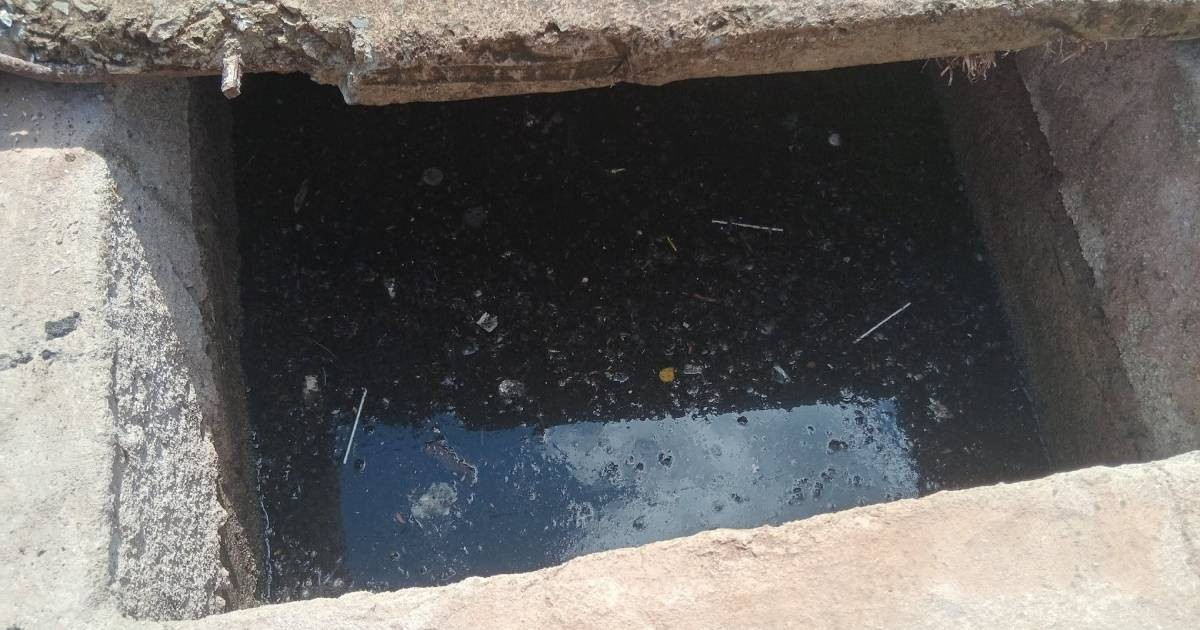
A resident from Aguada de Pasajeros, located in Cienfuegos, has raised concerns over an uncovered pit filled with stagnant water and numerous larvae in the Bloque 16 Community. Despite multiple reports, a permanent solution has yet to be provided.
Yari Castro brought the issue to light on the Facebook group "Revolico Aguada de Pasajeros" by sharing images showing the pit's deteriorating concrete edges and dark water inside.
Child Safety at Risk
Castro's primary worry is the potential danger to children, as they could fall into the pit. She emphasized that if such an incident occurs, those accountable will need to provide answers. Although workers have visited the site, the hazard remains unaddressed.
According to her, the pit is often left uncovered after specific operations, despite local complaints. "We ask them to cover it, and they say they will, but nothing is done; it remains open," Castro stated.
Health Concerns Amidst Epidemic
The resident also highlighted the alarming presence of larvae in the stagnant water, a particular concern during rainy periods that encourage mosquito breeding.
The images shared show large numbers of larvae, although the species cannot be identified through the photos alone. This issue arises amid a challenging epidemiological landscape in Cuba, with the Ministry of Public Health acknowledging the concurrent spread of dengue, chikungunya, COVID-19, influenza, hepatitis, and acute diarrheal infections.
Stagnant water serves as a prime breeding ground for mosquitoes, prompting health authorities to advise the elimination of potential breeding sites as a preventive measure against vector-borne illnesses.
Historical Consequences of Negligence
Open structures in public areas have previously led to tragic outcomes in Cuba. In February 2025, a 13-year-old boy named Jonathan Oliva died in Havana after being swept into a storm drain during heavy flooding.
Aguada de Pasajeros has faced other complaints this year regarding the decline of essential services. In June, residents of Real Campiña reported going 27 days without drinking water, along with extended blackouts.
Castro concluded her post by holding authorities accountable for any potential accidents and vowed to demand answers for what she described as negligence.
Frequently Asked Questions about Public Safety and Health in Cuba
What are the health risks of stagnant water?
Stagnant water is a breeding ground for mosquitoes, which can carry diseases such as dengue, chikungunya, and Zika virus. It's crucial to eliminate standing water to prevent these vector-borne illnesses.
How can communities prevent accidents related to open pits?
Communities can prevent accidents by ensuring that open pits are adequately covered and secured. Regular inspections and maintenance by local authorities are essential to address such public safety hazards.
What steps are necessary to hold authorities accountable for public safety issues?
Holding authorities accountable involves documenting the issues, reporting them consistently, and demanding transparency and timely action. Engaging with community groups and media can also amplify concerns and pressure for solutions.