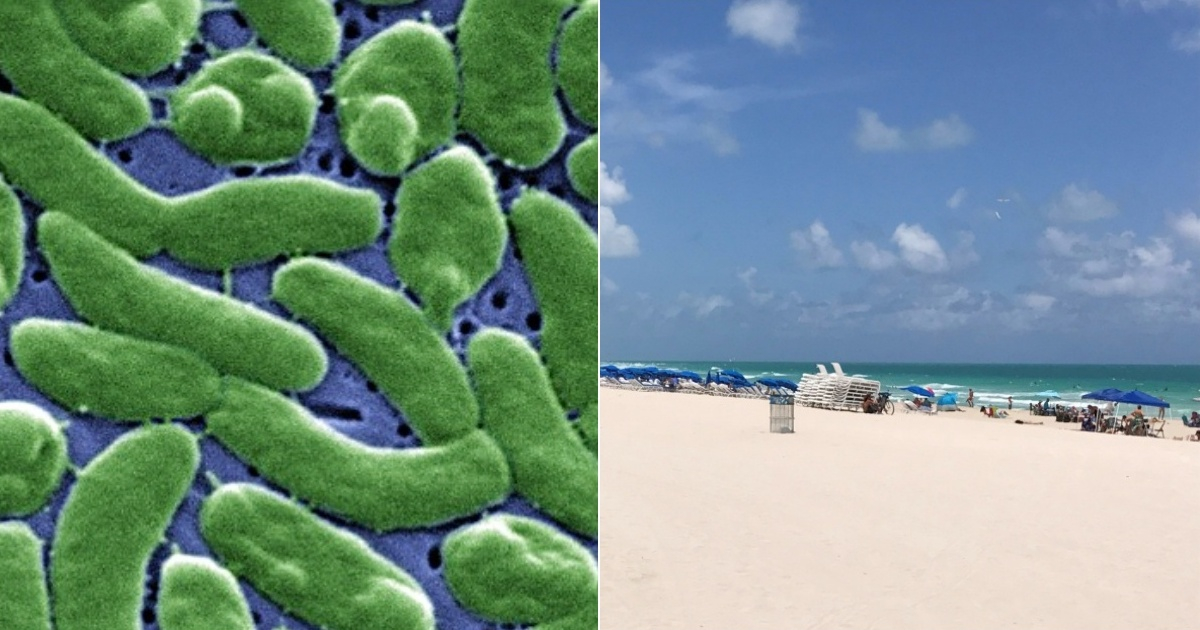
The death toll from the Vibrio vulnificus bacteria in the southern United States has risen to 12 so far in 2026, following the confirmation of additional fatalities in Florida and Louisiana. This information comes from the latest data provided by the health departments of both states, as reported by EFE.
Florida Matches Last Year's Deaths
On September 24, the Florida Department of Health updated its figures to report 23 confirmed cases and five deaths in 2026. This number already matches the total fatalities recorded for the entire year of 2025, when the state reported 33 infections and five deaths.
The fifth victim in Florida this year was identified in Pinellas County, located in the Tampa Bay area. The previous four deaths occurred in Palm Beach, Marion, Bay, and Broward counties, the latter being part of the Miami metropolitan area. The fourth fatality in Florida was confirmed on September 16 in Broward County.
On that same date, a 74-year-old man from St. Johns County had to have his leg amputated above the knee after coming into contact with seawater through a wound.
The contrast with 2024 is stark: that year, the worst in recent memory, Florida saw 82 cases and 19 deaths, a toll directly linked by health officials to floodwaters following Hurricanes Helene and Milton.
Louisiana Records Exceed Historical Averages
Louisiana is experiencing the most severe impact in 2026, with 19 infections and seven deaths, according to the state's update as of September 23. Of these 19 infections, 17 resulted from open wounds exposed to seawater, while two were from other causes. This figure far surpasses the state's historical average.
According to the Louisiana Department of Health, the state typically records around ten cases and one death annually. In 2026, this threshold was exceeded weeks ago.
Louisiana health authorities issue a stark warning: "Nearly one in five people with a Vibrio vulnificus infection will die, sometimes within a day or two after becoming ill."
Other Southern States Report Cases
Mississippi has reported three cases of Vibrio vulnificus out of a total of 29 infections caused by Vibrio bacteria, with no fatalities reported thus far. In Alabama, there are 16 cases of vibriosis, including one death, although the specific species responsible has not been identified by authorities.
Understanding the Bacteria and How to Stay Safe
Vibrio vulnificus is a bacterium that naturally inhabits warm, brackish coastal waters, particularly in the Gulf of Mexico. Infection can occur by exposing an open wound to contaminated water or by consuming raw shellfish, especially oysters. It is not transmitted from person to person.
Symptoms include blistering skin lesions, fever, chills, and low blood pressure. In severe cases, it can lead to soft tissue destruction, sepsis, and even amputations. Individuals with liver disease, diabetes, or weakened immune systems are at higher risk of developing severe conditions.
Health authorities in the affected states emphasize two key precautions: avoid entering the sea with open wounds and refrain from eating raw shellfish. The risk remains elevated until October when the water starts to cool, reducing bacterial activity.
Frequently Asked Questions about Vibrio vulnificus
What is Vibrio vulnificus?
Vibrio vulnificus is a bacterium commonly found in warm, salty coastal waters, especially in the Gulf of Mexico. It can cause severe infections when open wounds are exposed to contaminated water or when raw shellfish, particularly oysters, are consumed.
How can people protect themselves from Vibrio vulnificus?
To minimize the risk of infection, individuals should avoid entering ocean water with open wounds and refrain from eating raw shellfish. These precautions are crucial, especially during the warmer months when bacterial activity is higher.