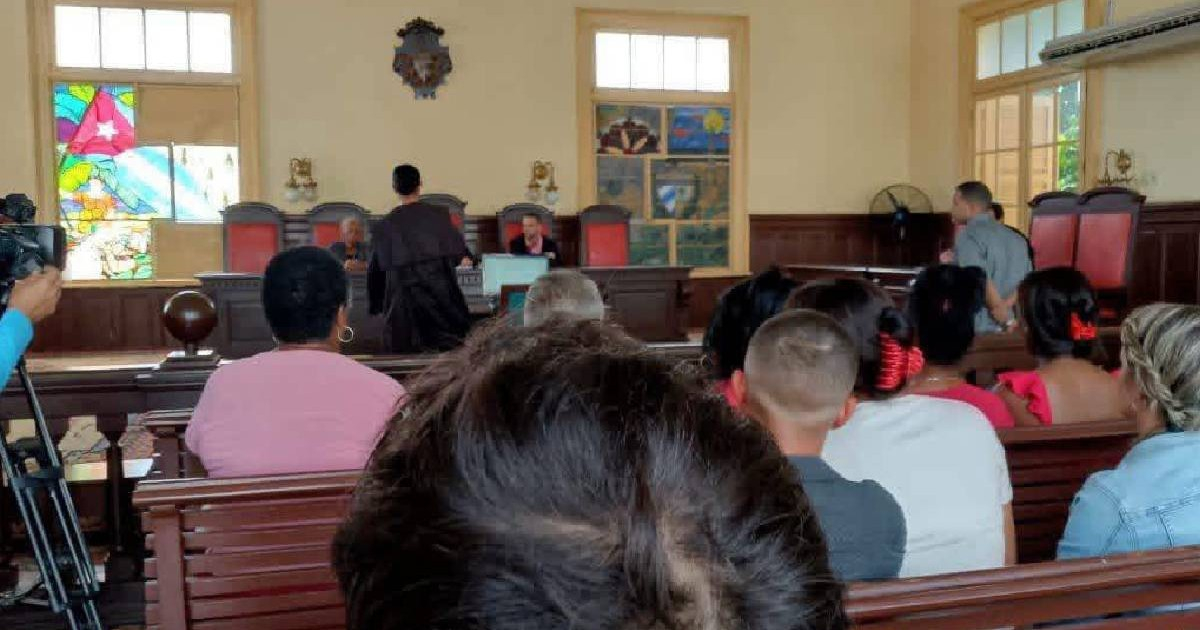
Yoelvys Álvarez Gavilán, a Cuban national, has been sentenced to 12 years in prison by the Provincial People's Court of Pinar del Río for stealing screws and other accessories from the "La Barbarita" photovoltaic park located in Consolación del Sur. This was reported by the state-run newspaper, Guerrillero.
The court deemed the actions as sabotage against the National Electric System (SEN), citing Article 125 of Cuba's Penal Code No. 151, which mandates prison terms ranging from seven to 15 years for offenses against such critical infrastructure.
"The criminal classification presented during the oral hearing highlighted the theft of screws and other components essential for the proper functioning of such installations," the publication noted.
During the trial, the prosecutor emphasized the detrimental impact of these "unscrupulous actions on the country's economy and citizens' lives," according to the official account.
Significance of "La Barbarita" Solar Park
"La Barbarita" is the first of four planned solar parks in Pinar del Río as part of the national renewable energy program. It was officially inaugurated on May 10, 2025, with an installed capacity of 21.8 MWp. Since its connection to the National Electric System, the park has generated 1,173 MWh, saving over 300 tons of fossil fuel.
Rising Incidents and Strict Sentences
Álvarez Gavilán's case is not unique. Cuban authorities have admitted to conducting over 460 criminal investigations related to offenses against the SEN, including sabotage, damage, and theft, from 2025 to mid-2026.
The punitive measures have consistently intensified. Reportedly, all individuals charged with crimes against the SEN from January 2025 to the first quarter of 2026 received sentences exceeding 10 years in prison.
Recent weeks have seen similar cases: a 19-year-old was sentenced to eight years for sabotage, and another individual received a 12-year sentence in Artemisa for electrical sabotage in July.
Legal Framework and Energy Crisis
This increase in severity follows the Supreme People's Court's Ruling 475 issued in May 2025, instructing courts to classify any theft or damage to electrical system components, including solar parks, as sabotage, rather than mere theft or burglary.
This ruling significantly raised applicable penalties, with the most severe cases facing up to 30 years, life imprisonment, or even the death penalty under Article 126 of the Penal Code.
Since 2024, Cuba has been grappling with a severe energy crisis, with blackouts lasting over 20 hours daily. The regime has turned to solar parks as a structural solution, making these facilities politically sensitive infrastructure.
The Minister of Energy and Mines, Vicente de la O Levy, has publicly blamed part of the power outages on the theft of electrical system components.
The official source warned that attacks on solar parks "cause damage to their structures and could endanger energy generation and human lives," thus justifying the sabotage charges for what might otherwise be considered minor theft in other legal contexts.
Understanding Cuba's Energy Sabotage Laws
What are the penalties for sabotage against the National Electric System in Cuba?
Under Article 125 of Cuba's Penal Code, sabotage against the National Electric System can result in prison sentences ranging from seven to 15 years. In severe cases, penalties can reach up to 30 years, life imprisonment, or even the death penalty under Article 126.
Why are solar parks considered sensitive infrastructure in Cuba?
Solar parks are vital to Cuba's strategy to address its ongoing energy crisis and reduce reliance on fossil fuels. As part of the national renewable energy program, these parks are crucial for sustainable energy generation, making them politically and economically sensitive.