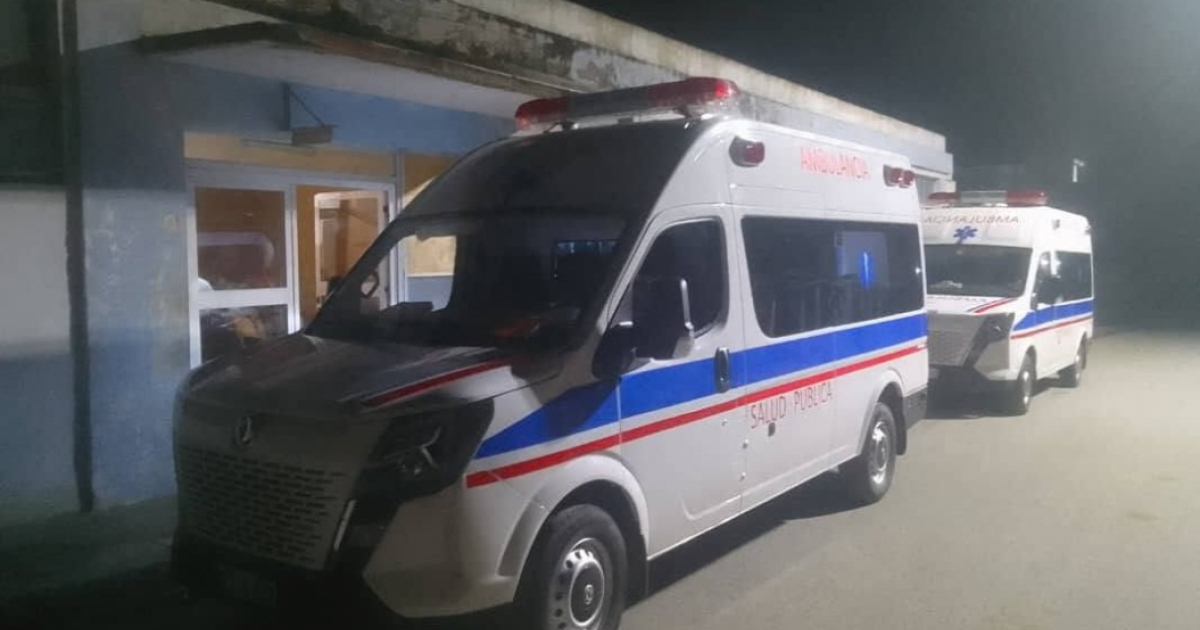
A Guantanamo-based doctor, Ylia Vázquez López, mother of a 10-month-old baby with neurological issues since birth, has voiced her frustration over the months-long delay for an MRI, which is only available in Villa Clara. Since her child was three months old, she has been waiting for this crucial medical procedure.
This Thursday, transportation was finally arranged with fuel available, and all necessary SIUM (Integrated Medical Emergency System) coordinations had been completed. Despite this, Vázquez López and other mothers were left waiting from 12:20 a.m. to 4:37 a.m. without any movement.
The Crumbling Health System
In a detailed Facebook post, she expressed her dismay, stating, "The health system is a monopoly that allows a doctor to refuse service, where colleagues can marginalize and undermine each other. Although healthcare is free, it comes at a cost. The so-called medical powerhouse created by our Commander has been reduced to nothing. A pediatrician can refuse to transfer a patient to a facility lacking resources."
She further lamented the violations of numerous protocols due to shortages, showcasing the deep issues within the system.
Confrontation at the Hospital
Through the Facebook account of Georby Ramírez, Vázquez López shared her grievances about the Pediatric Hospital Pedro Agustín Pérez in the eastern province. She described how anesthesiologist Daniel and the hospital director halted the ambulance, citing that her child was not a regular patient there, which prevented them from proceeding with the transfer.
Vázquez López dismissed this reasoning, having arranged the care in Villa Clara herself. She found it unacceptable that the anesthesiologist claimed they couldn't handle a potential seizure during transport, despite having qualified staff and available medical supplies.
She also criticized the officials for their "lack of professional ethics and camaraderie," and questioned, "Where is the medical prowess? Where is the camaraderie, the professional ethics?"
Ongoing Healthcare Crisis in Guantanamo
Later, Vázquez López updated that despite the anesthesia department's complications at the Guantanamo Pediatric Hospital, the ambulance departed for Villa Clara by 9:30 a.m. with her baby and two other children, expressing gratitude to those who supported her.
Guantanamo is currently facing an "unfavorable" infant mortality rate of 14 per 1,000 live births, significantly higher than the national average of 9.9. Additionally, the province is dealing with an active dengue outbreak in Imías, Baracoa, and the city of Guantanamo, compounded by fuel shortages affecting medical transport.
The municipality of Manuel Tames is on high alert due to a surge in febrile cases, with 23 reported in just one week. Meanwhile, local media showcased a maternity home boasting diverse menus and manicure services for pregnant women, a stark contrast that did not go unnoticed by residents.
Nationwide Emergency Transport Shortage
The breakdown of the transport system is not unique to Guantanamo. The Ministry of Public Health admitted that Cuba only possesses 39.6% of the ambulances needed for emergencies. In April, a man died after waiting over four hours for an ambulance in Santiago de Cuba.
In June, another mother reported that her son with cerebral palsy was denied transport due to fuel shortages.
Understanding the Healthcare Challenges in Cuba
What are the main issues affecting Cuba's healthcare system?
Cuba's healthcare system is plagued by logistical challenges, resource shortages, and insufficient emergency transportation, all exacerbated by the current economic crisis.
How is Guantanamo specifically impacted by these healthcare issues?
Guantanamo faces a high infant mortality rate, an active dengue outbreak, and fuel shortages that further strain its healthcare system.
What actions have been taken to address the ambulance shortage?
Despite acknowledging the issue, the Cuban government has yet to implement effective solutions to increase the number of operational ambulances.