The Artemisa Agricultural Company is grappling with a staggering debt amounting to tens of millions of pesos owed to local farmers. Payments have been delayed for up to ten months, as reported by the state-run media outlet Cubadebate on Wednesday.
One glaring example is the Credit and Services Cooperative (CCS) Tomás Álvarez Breto, which alone has an outstanding debt exceeding 12 million pesos owed by the state enterprise. This debt continues to balloon with each passing month.
"We're also owed air conditioning units. The largest debt is from the Agricultural Company, exceeding 12 million pesos. Every month that goes by, it adds to this debt, making it harder to pay," stated Fernando García Cazañas, president of CCS Álvarez Breto.
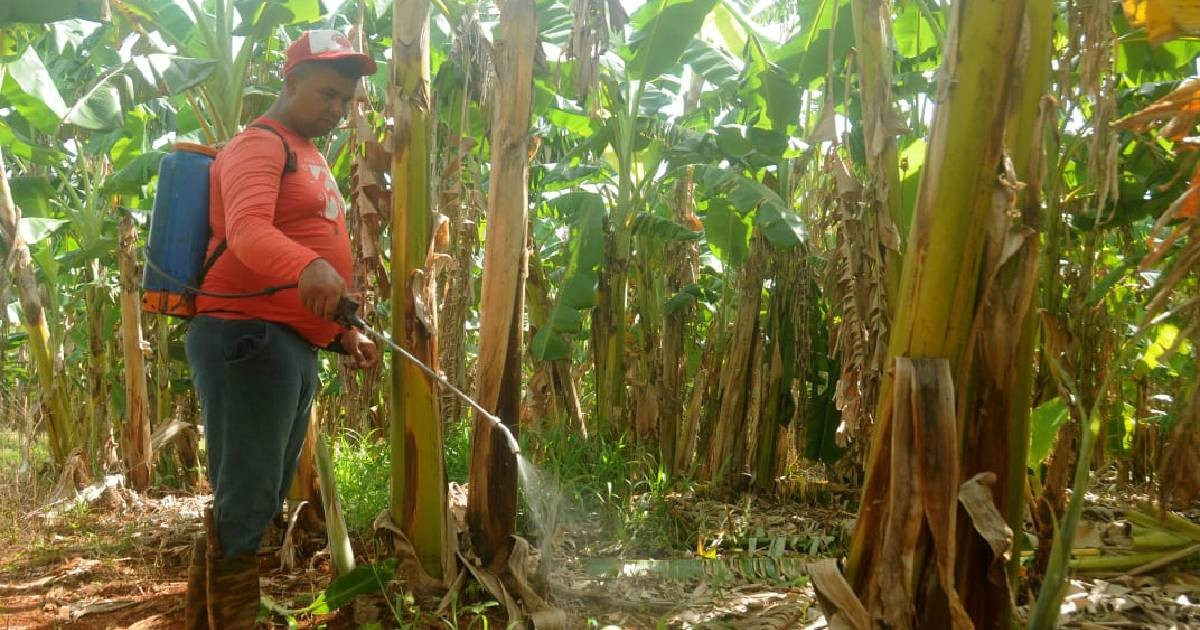
Among those affected is Daniel Evelio González, who has been cultivating bananas in the region for nearly 40 years. He admitted that he's had to halt deliveries to Acopio because, without payment, he can't sustain his farm or pay his five employees who demand daily cash wages.
"I am owed about half a million pesos. To be honest, we've had to stop delivering because without payments, there's no way to cover the farm's expenses," González confessed.
Another farmer from the same cooperative, William Hernández Valdés, has more than 19 hectares of plantain crops and reports a debt exceeding one million pesos. The last payment he received was for October 2024; he hasn't been paid since November of that year.
"Everybody wants cash in hand immediately; they don't want a bank transfer, just cash. The last payment was for October, after a long wait," he told the media.
The issue creates a ripple effect: farmers can't withdraw accumulated funds from their bank cards due to withdrawal limits of around 2,000 to 5,000 pesos, while their workers insist on cash payments. Many have resorted to selling their produce in Pinar del Río, Guanajay, or directly to institutions like Commerce and Public Health, exacerbating shortages in Artemisa and Havana.
In an attempt to address the crisis, the Agricultural Company requested a 48 million peso loan. However, the bank decided that these funds could only be used for future production payments, not for settling existing debts.
García Cazañas criticized the decision as absurd: "How can you owe me 30,000 pesos, receive three million, and not pay me my 30,000 pesos but only future dues? This discourages producers from delivering anything."
This issue is neither new nor exclusive to Artemisa. In July 2024, the Cuban government acknowledged a nearly 200 million peso debt to farmers nationwide, with Artemisa being the hardest hit at over 167 million pesos. The Popular Savings Bank intervened with substantial loans, but the problem resurfaced.
In April 2025, the Río Zaza dairy company in Sancti Spíritus accumulated more than 150 million pesos in debt to private producers, halting milk production and impacting supply to children, pregnant women, and patients with medical diets.
Despite the government's announcement at the start of 2026 to formally end Acopio's monopoly on agricultural marketing, state controls over prices and distribution persist, and non-payments remain unresolved.
Frequently Asked Questions about Agricultural Debt in Cuba
What is the current debt situation with the Artemisa Agricultural Company?
The company is facing a significant debt crisis, owing tens of millions of pesos to local farmers, with some payments delayed for up to ten months.
How are farmers coping with the delayed payments?
Farmers are struggling to pay their workers and maintain their farms. Many have stopped deliveries to Acopio and are selling produce in other regions to obtain cash.
What actions have been taken to address this debt issue?
The Agricultural Company sought a 48 million peso loan to manage future production payments, but it cannot be used for settling existing debts.
Has this problem occurred in other provinces as well?
Yes, similar debt issues have been reported in other provinces, including a notable case with Río Zaza in Sancti Spíritus, affecting milk production.