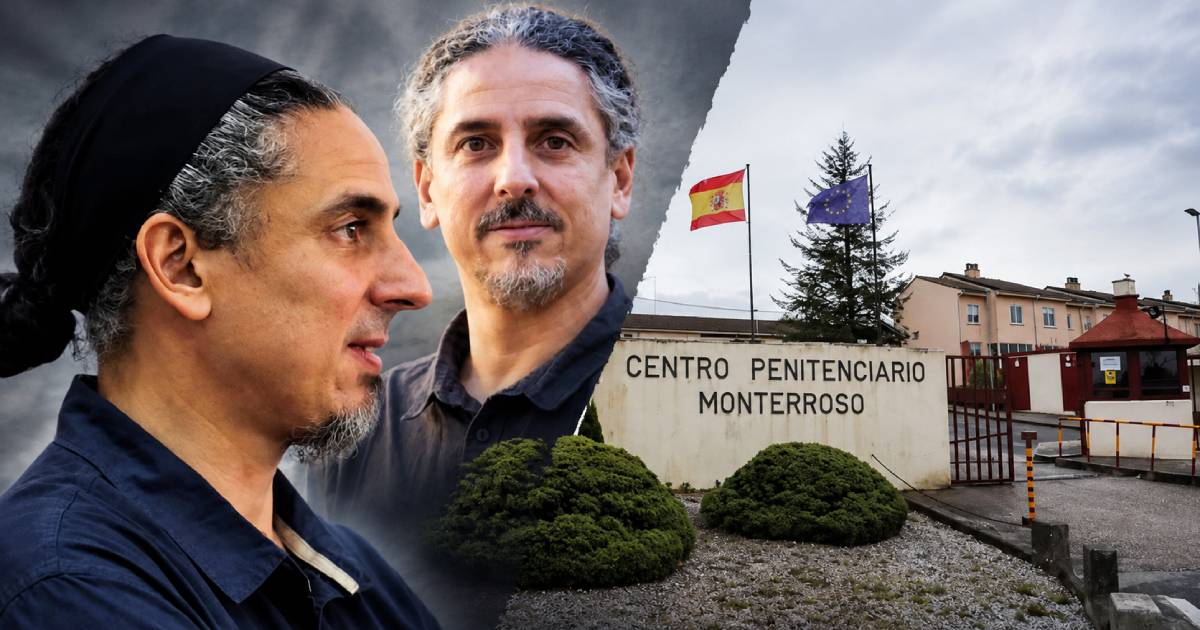
Martiño Ramos Soto, a former Spanish teacher who fled to Cuba under an assumed identity before being captured and extradited, is serving a 13-and-a-half-year sentence at Monterroso prison in Lugo. There, he is isolated from the general population to avoid potential attacks from fellow inmates.
Ramos Soto is housed in the facility's Module 6, known as the therapeutic unit, according to El Debate on Monday, which cited sources familiar with his situation.
"They put him there so he doesn't mix and doesn't get beaten up," one source explained to the media outlet regarding the precautions taken for Ramos Soto.
After being extradited in April, Ramos Soto was initially held at Soto del Real in Madrid while Spain's penitentiary institutions determined where he would serve his sentence permanently.
According to El Debate, his transfer to Monterroso went smoothly, and penitentiary sources confirmed that he has adjusted to his new environment. Ramos Soto is serving a definitive sentence of 13 and a half years for sexually assaulting a minor student.
The Ourense Provincial Court's ruling details particularly severe acts. The court found that he repeatedly subjected the victim to sexual and physical abuse from ages 12 to 16, exploiting a trust relationship and her vulnerable family situation.
The ruling also describes sadistic behavior and instances of physical violence, including an event where he beat the young girl and abandoned her in a mountainous area. According to the sentence details cited by El Debate, the convict also transmitted an infectious disease to her.
His current circumstances contrast starkly with the months he spent imprisoned in Cuba. Ramos Soto was apprehended in Havana on November 21, 2025, after evading Spanish justice and living in El Vedado under the alias "Martín Soto," posing as a photographer.
For about 150 days, he was held in a Cuban prison, where conditions were reportedly extremely harsh, as described by Spanish police sources. The prison suffered from food shortages, dampness, and filth, prompting him to request expedited transfer to Spain.
Eventually extradited in April, he was transported under police custody to Madrid. His subsequent placement in Monterroso and the decision to keep him separate from other inmates reveal the actions taken following his initial temporary confinement in a Madrid jail.
Ramos Soto fled Spain after his conviction was finalized and traveled through Portugal, Brazil, and Peru before reaching Cuba, a country he likely chose due to its lack of an extradition treaty with Spain. His plan ultimately failed, resulting in negotiations between the two nations that led to his handover to Spanish authorities.
Key Details on Martiño Ramos Soto's Extradition and Imprisonment
Why was Martiño Ramos Soto isolated in the Spanish prison?
Ramos Soto was isolated to prevent potential assaults from other inmates. He is kept in the therapeutic unit of the prison to ensure his safety.
What led to Ramos Soto's extradition from Cuba?
Ramos Soto was extradited after being captured in Cuba, where he had been living under a false identity. His extradition followed negotiations between Cuba and Spain, despite the lack of a formal extradition treaty.
What were the conditions of Ramos Soto's imprisonment in Cuba?
The conditions in the Cuban prison were reportedly very harsh, with significant issues like food shortages, dampness, and unsanitary environments, leading Ramos Soto to request a quicker transfer to Spain.