Florida has reported its first dengue-related death of 2026 amidst a significant rise in locally acquired infections, with Hillsborough County, near Tampa, emerging as the primary hotspot.
The Florida Department of Health confirmed the death on Friday, as per the Associated Press, with local reports identifying the victim as an 80-year-old woman from Tampa who passed away on September 4.
This confirmation coincides with official data revealing an abnormal expansion in transmission rates. The latest arbovirus surveillance report from the Florida Department of Health, covering the week of September 6 to 12, recorded 152 locally acquired dengue cases in 2026, spread across six counties.
Hillsborough County alone accounts for the vast majority of these, with 134 local infections. Miami-Dade and Pinellas each reported seven cases, while Pasco noted two, and Orange and Palm Beach each confirmed one case within this official timeframe.
Rapid Increase in Hillsborough
The surge has been particularly pronounced in Hillsborough County. On September 4, Florida Surgeon General Joseph Ladapo officially reported 59 locally acquired infections in the county. Just over a week later, the state report recorded 134 cases.
Furthermore, the Orange County Health Department announced two additional local dengue cases last Friday, beyond the period covered by the latest available weekly report, indicating that the state figures will continue to adjust as new reports are filed.
Intensified Surveillance and Prevention Efforts
Florida is experiencing one of its most severe years of local transmission in recent memory. According to historical statistics from the Florida Department of Health, 2023 saw 199 locally acquired dengue cases, the highest number recorded in the period from 2014 to 2024.
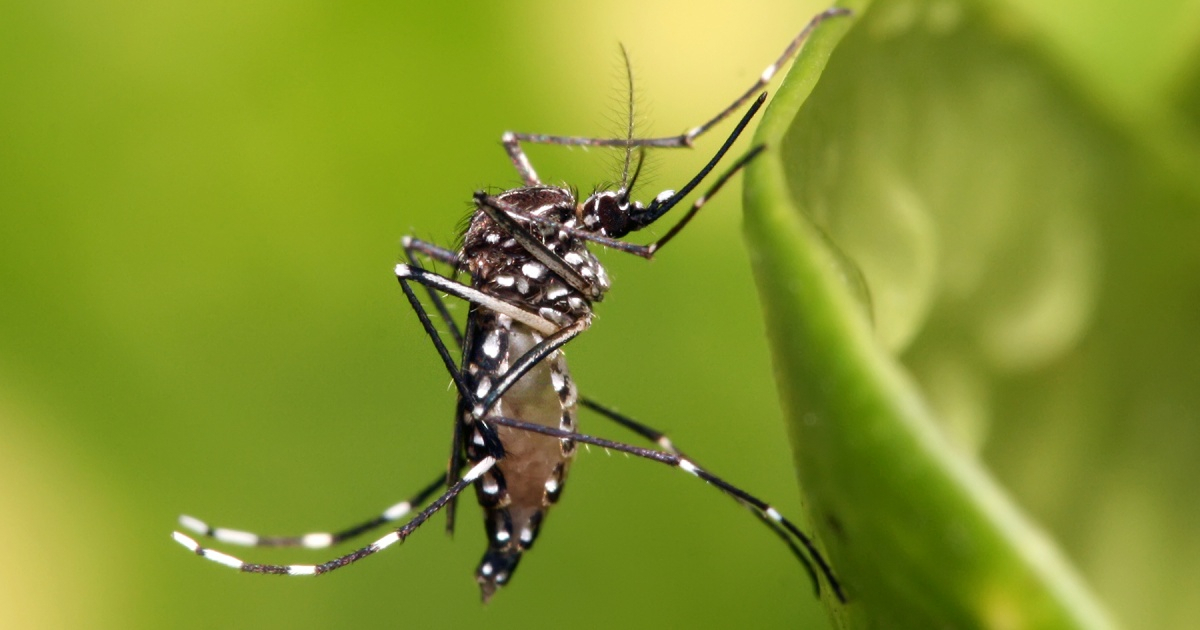
Dengue is a viral illness primarily transmitted by the Aedes aegypti mosquito. Symptoms may include fever, severe muscle and joint pain, headache, and skin rashes; in severe cases, it can lead to bleeding, shock, and even death.
Authorities have ramped up mosquito monitoring and control in affected areas. The Department of Health advises using Environmental Protection Agency (EPA)-registered repellents, wearing long sleeves and pants when possible, and eliminating any standing water around homes and businesses, as even small amounts can serve as breeding grounds.
Statewide Dengue Concerns
The increase is not confined to the Tampa Bay area. Miami-Dade confirmed a locally acquired dengue case in early August, with other counties subsequently added to the list of areas experiencing local transmission.
By early September, dengue cases had already shown a marked increase in Florida, with clusters of local transmission emerging in various parts of the southern and central regions of the state.
Understanding the Dengue Situation in Florida
What is the main area affected by the dengue outbreak in Florida?
Hillsborough County, near Tampa, is the primary hotspot for the dengue outbreak in Florida, with the majority of cases reported there.
What preventive measures are recommended to avoid dengue?
The Florida Department of Health recommends using EPA-registered repellents, wearing long sleeves and pants, and removing standing water around homes to prevent mosquito breeding.
How does dengue spread?
Dengue is primarily spread through the bite of infected Aedes aegypti mosquitoes.