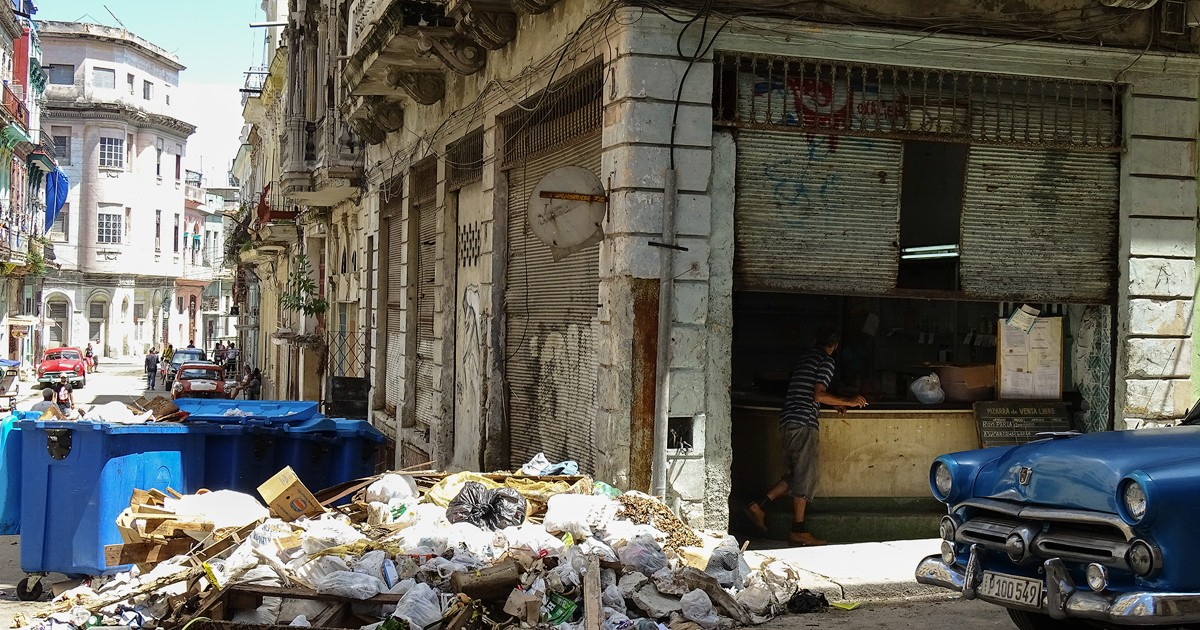
In a recent move, the Cuban government has announced the establishment of the first 24 "neighborhood markets" across the nation. This initiative involves the transformation of state-run bodegas, butcher shops, and other establishments into points of sale operated by private entities.
The official newspaper, Granma, reported that this effort is part of a broader overhaul of the country's commerce and services sector. The goal is to bring essential goods closer to the people and partially address the shortage of items traditionally distributed through the ration book system.
"The neighborhood market project aims to provide the population with essential goods, including both food and hygiene products," explained Marpessa Portal de Villiers, General Director of Merchandise Sales at the Ministry of Domestic Trade (MINCIN).
Currently, Guantánamo and Havana have the most establishments under this new model, though it has also been implemented in provinces such as Pinar del Río, Artemisa, Matanzas, Camagüey, Granma, and Santiago de Cuba.
A Pilot Project with a Promise of Lower Prices
The initiative was piloted in July in Havana's Plaza de la Revolución municipality. The official promise is that these markets will offer lower prices compared to other commercial outlets.
According to Granma, prices in these markets are expected to be reduced by about 10% to 15%. However, Portal de Villiers mentioned on Canal Caribe that the discount should be even higher, ranging from 15% to 30% compared to other market prices.
The array of food items planned for sale includes rice, sugar, grains, powdered milk, chicken, eggs, vegetable oil, tomato preserves, pasta, coffee, and wheat flour. For hygiene products, the list features detergent, soap, toilet paper, deodorant, and toothpaste.
Incentives for Private Operators
To attract private managers—such as small and medium enterprises (SMEs), cooperatives, self-employed individuals, and even foreign investors—the state is offering tax incentives: a 5% sales tax deduction and exemption from this tax for those who engage in wholesale trade with entities within the Domestic Trade system.
Additionally, there are plans to waive rent payments for the first two years, extendable if the operator invests in the premises. The state retains ownership of these properties, many of which were seized from their original owners in 1960.
In August, Cienfuegos handed over the management of 47 butcher shops to private operators—accounting for 68% of the province's existing shops—many of which had been idle due to a lack of products.
In the same month, Ciego de Ávila auctioned six bodegas under this model, and in September, Santa Clara invited economic actors to manage 16 bodegas in the city.
The big question remains whether these fiscal incentives and rent relief will translate into readily available products and genuinely affordable prices for a population long-suffering from shortages and inadequate wages.
Understanding Cuba's Neighborhood Markets Initiative
What is the purpose of Cuba's neighborhood markets?
The neighborhood markets aim to bring essential goods closer to Cuban residents, addressing the shortages and partially replacing the ration book system.
How does the Cuban government plan to attract private operators to these markets?
The government offers fiscal incentives, such as a 5% sales tax deduction and rent waivers for two years, to attract private operators like SMEs, cooperatives, and foreign investors.
Which areas in Cuba have the highest number of neighborhood markets?
Guantánamo and Havana currently have the most neighborhood markets, although the model is also present in provinces like Pinar del Río, Artemisa, Matanzas, Camagüey, Granma, and Santiago de Cuba.