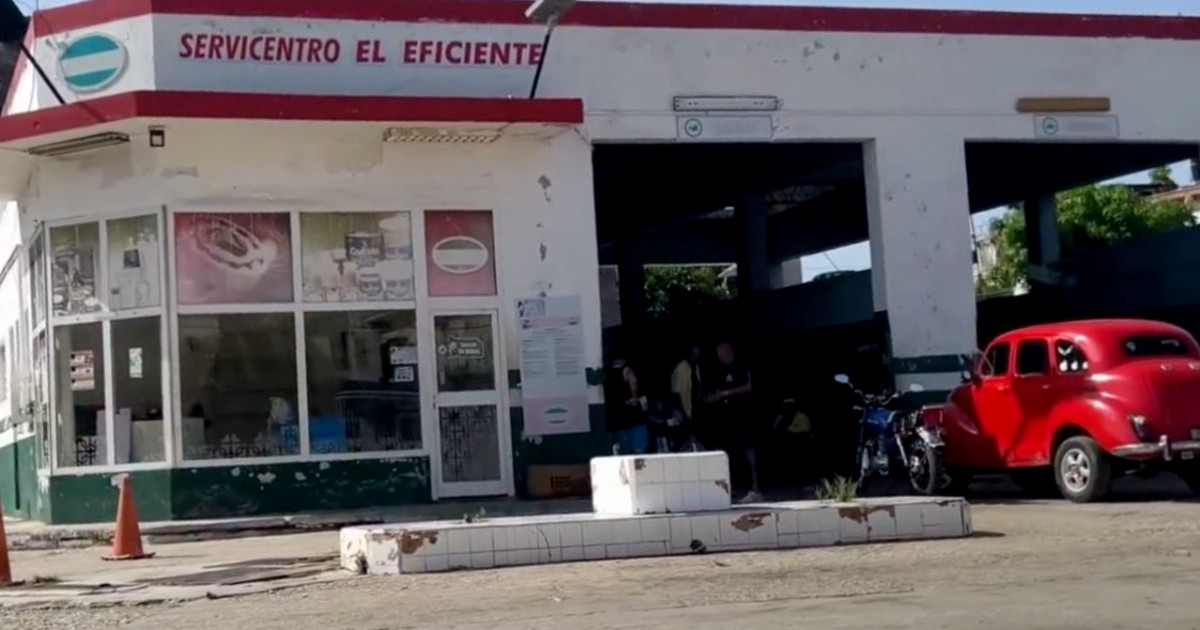
Just a block away from Villa Marista, the headquarters of the State Security of the Cuban Ministry of the Interior in Havana, a CUPET gas station supplies fuel to the vehicles of the regime's repressive apparatus. This includes state-owned Sepsa units, trucks from the special forces known as "black berets," and Suzuki motorcycles operated by State Security agents, according to an investigation by 14ymedio.
The gravity of this discovery lies in the origin of the fuel. The independent Cuban outlet reports that the gasoline distributed by this service station is imported from the United States, blatantly violating U.S. regulations that explicitly prohibit gasoline from reaching the Cuban state, its military forces, or its repressive machinery.
In February 2026, the Trump administration permitted the export of fuel to Cuba under the "Support for the Cuban People" exception, but with strict conditions: the fuel can only be sold to private Cuban entities and must not pass through GAESA, CUPET, or the government, nor be directed towards state or repressive structures.
In June, Washington intensified its stance by sanctioning CUPET—the Cuban state oil company—adding it to the Office of Foreign Assets Control's Specially Designated Nationals list. This action freezes its assets under U.S. jurisdiction and prohibits any transactions with it.
Despite these restrictions, the flow of fuel from the U.S. has continued to increase: Cuban companies purchased petroleum derivatives worth $156.8 million between January and July of 2026, with over $61 million accounted for in July alone.
Prime Minister Manuel Marrero Cruz informed the National Assembly that over a hundred private companies had been granted permission to wholesale fuel, and the first foreign investment venture for the import, distribution, and commercialization of fuel had already been authorized.
Consultancy firm Auge warned in March that importing a full isotank of 25,000 liters costs around $50,000, a price unattainable for most small Cuban private businesses, fueling suspicions that the regime itself finances these purchases through intermediary micro-enterprises.
A local resident who alerted 14ymedio described the daily traffic in front of the service station: "Every day, hundreds of vehicles of all types pass by here, from buses for personal transport (to and from their Ministry of the Interior, located at the Plaza José Martí), dump trucks, cars with M, B, and P plates, to hundreds of Suzuki motorcycles with their respective thugs."
The same whistleblower highlighted the contradiction that outrages the public: "I wonder how they can so blatantly circumvent the sanctions against the regime. The repressive apparatus is fully operational, as it has been for over 66 years."
This scandal unfolds amid an unprecedented energy crisis. Cuba has gone more than five months without receiving a fuel tanker—the second and last of the year arrived before April—resulting in power outages exceeding deficits of 2,400 MW and cuts lasting up to 20 hours daily in Havana.
The regime publicly decries an "energy blockade," yet in practice, it can purchase fuel from the U.S.; what it can no longer receive is the subsidized supply from Venezuela and Mexico that sustained its economy for decades.
The harshest irony was summed up by the same local resident: "In my area, like so many others, there has been no water for days and they can't send a tanker due to lack of fuel. What irony! There is gasoline for repression, but none for drinking and bathing."
Understanding Cuba's Fuel Crisis and Sanctions
What are the restrictions on U.S. fuel exports to Cuba?
The U.S. allows fuel exports to Cuba under the "Support for the Cuban People" exception, provided the fuel is sold to private entities and does not pass through state channels or support repressive structures.
How has CUPET been affected by U.S. sanctions?
CUPET has been placed on the U.S. Office of Foreign Assets Control's Specially Designated Nationals list, freezing its assets in U.S. jurisdiction and prohibiting any transactions with the company.
Why is there skepticism about private companies importing fuel?
Importing a full isotank of fuel is costly, leading to suspicions that the Cuban regime might be financing these purchases through intermediary micro-enterprises, as most small private businesses cannot afford such expenses.