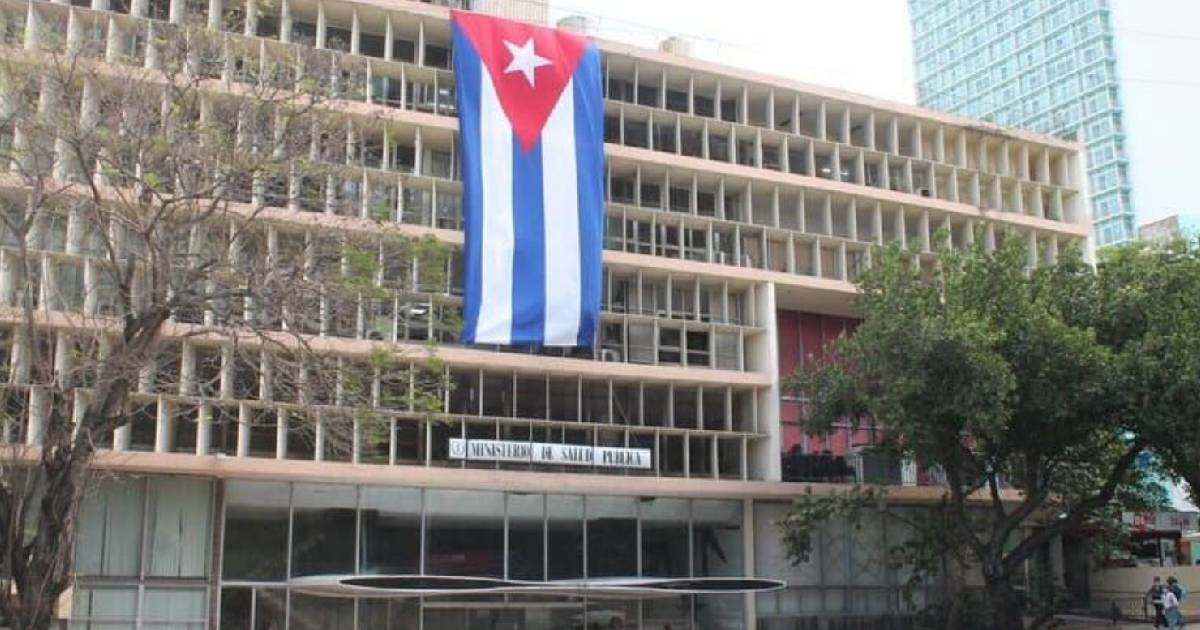
The Ministry of Public Health (MINSAP) issued Resolution 116/2026 this Friday, laying out new requirements for occupational health medical exams for Cuban workers facing hygienic-epidemiological risks.
Signed on September 15 and published this Thursday in the Official Gazette No. 78 Ordinary of 2026 — spanning pages 238 to 255 — this resolution replaces Resolution 284 from June 16, 2014. The goal is to modernize the technical, epidemiological, and sanitary standards that apply.
The updated regulation categorizes hygienic-epidemiological risks into four main groups: chemical, physical, ergonomic, and biological.
For chemical risks, the resolution addresses exposure to organophosphate and carbamate pesticides, inorganic and organic lead, mercury, asbestos, silica, and coal, with specific requirements for each.
For workers dealing with organophosphate or carbamate pesticides, a pre-employment exam must include a blood cholinesterase determination within 15 days prior to exposure.
Health Standards and Requirements for Specific Exposures
Regarding individuals exposed to asbestos or silica, the pre-employment assessment mandates a chest X-ray and spirometry conducted within 30 days before starting work. Periodic exams include a biennial chest X-ray — reviewed by three specialist doctors — and annual spirometry. For underground miners, chest X-rays should not exceed a two-year interval.
The resolution establishes five types of medical exams: pre-employment, periodic, reintegration, special, and retirement or discharge exams. After each assessment, a doctor issues a work fitness certification to determine if the worker is fit for their role.
Employers are required to coordinate with entities within the National Health System to ensure these evaluations are conducted.
Biological tests related to exposure to lead or mercury should preferably be carried out at provincial centers and municipal units of Hygiene, Epidemiology, and Microbiology.
Legal Framework of the New Resolution
The regulation is supported by three legal pillars. The first is Law 189 "Labor Code," approved on July 30, 2026, whose Final Provision Two directed MINSAP to present updated regulations to the Ministry of Labor and Social Security within 45 days.
The second is Law 165 "Public Health Law," from December 22, 2023, recognizing MINSAP as the authoritative body on workplace health and safety. The third is Article 145 of the Constitution, granting the minister authority to enact the resolution.
Resolution 116/2026 is part of a broader regulatory package included in the same Gazette No. 78, which also features Resolution 114/2026 on occupational diseases, Resolution 115/2026 on the hiring of health professionals, and Resolution 57/2026 from the Ministry of Labor and Social Security on workplace safety and health management.
The complete text of the regulation, spanning 18 pages of the Official Gazette, is available on MINSAP's resolution portal.
Frequently Asked Questions about MINSAP's New Occupational Health Exams
What are the primary categories of hygienic-epidemiological risks?
The main categories are chemical, physical, ergonomic, and biological risks.
What is required for workers exposed to organophosphate pesticides?
Workers must undergo a pre-employment exam that includes a blood cholinesterase test within 15 days before exposure.
How are employers involved in the health exam process?
Employers are responsible for coordinating with the National Health System to ensure the necessary evaluations are completed.