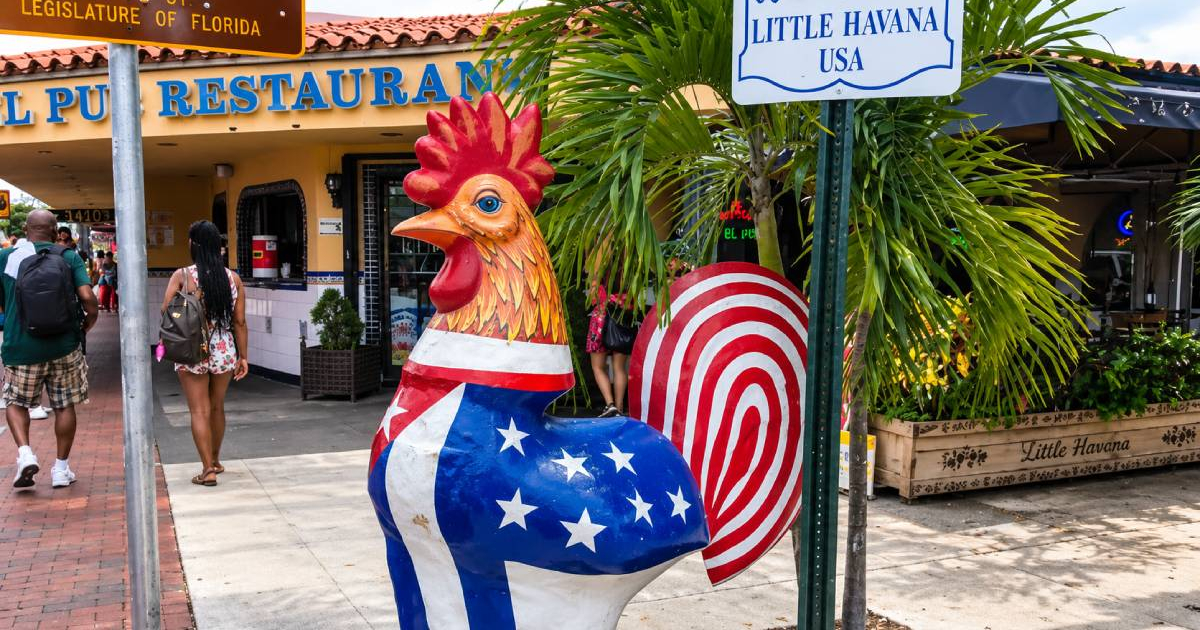
A proposed rezoning plan that could allow buildings up to 12 stories high in certain areas of Little Havana is sparking a heated debate among residents, activists, and Miami officials. This could mark the most significant urban transformation of the historic Cuban neighborhood in decades.
On Wednesday, Miami's Planning and Zoning Board approved the proposal with a seven to three vote after a contentious public discussion. However, the plan still requires the approval of the Miami Commission, which will make its final decision in the coming months.
Details of the Rezoning Plan
The proposal impacts approximately 460 properties—covering nearly 100 acres—mainly along Southwest 7th Street and parts of 9th Street. In areas currently limited to three-story buildings, the new regulations would permit structures up to five stories. Meanwhile, in other sections, the maximum height could rise to eight stories, or even 12 stories, given certain incentives.
Notably, Calle Ocho is excluded from this plan, as it already permits taller structures.
Driving Forces and Motivations
The initiative's primary advocate is Commissioner Rolando Escalona of District 3, which includes Little Havana. His primary argument is not just about increasing housing supply but also regaining municipal control against the Florida state law known as the Live Local Act. This state law allows affordable housing projects to bypass local height and density restrictions without city approval.
"We don't want to lose the identity of Little Havana. When you apply Live Local, the city has no control, and this proposal is to counter precisely that," Escalona emphasized.
Community Concerns and Reactions
While the proposal aims to establish a Neighborhood Revitalization District (NRD) with its own building regulations, critics argue that the ordinance does not mandate affordable housing units. The city maintains that increased density "can facilitate" the creation of such housing.
Escalona drew a clear boundary, stating, "I, as a commissioner, do not want Little Havana to become Brickell. You've heard many times the idea of West Brickell. Absolutely not."
Local resident Yvonne Bayona voiced the concerns of many: "What will happen to us when these buildings start going up? It's going to affect us a lot. There won't be enough parking. It's a disaster."
Activists are also calling for a slower pace of urban development. Denise Gálvez, a prominent voice in the community, acknowledged the commissioner's good intentions but called for more time to assess the projects.
"Give the community a chance. The commissioner wants to make many good changes for the city and Little Havana. Let's do that first and put protections in place," she urged.
Historical Context and Future Implications
This debate arises amidst growing real estate pressures on the neighborhood. Earlier this year, over 200 families from the Silver Court mobile home park on Calle Ocho were given eviction notices to make way for new development. Most were elderly, retired, and low-income Cuban and Latino immigrants.
Little Havana became a Cuban enclave in the early 1960s when thousands of exiles fleeing Fidel Castro's regime settled in what was then known as Riverside. Over time, it has evolved into the cultural and political capital for Cuban Americans, featuring restaurants, music, domino parks, and small businesses that residents now fear losing forever.
The Miami Commission's upcoming decision will determine whether Little Havana preserves its historic character or embarks on an irreversible transformation.
Frequently Asked Questions about Little Havana's Rezoning Proposal
What is the primary goal of the rezoning proposal in Little Havana?
The main objective is to increase the housing supply while regaining local control over building regulations, countering the Florida state law that allows projects to bypass local restrictions.
How will the rezoning impact the current building heights in Little Havana?
The proposal would allow buildings to rise to five stories in areas currently limited to three, and up to eight or 12 stories in other zones, if certain incentives are met.
What concerns do residents have regarding the proposed changes?
Residents are worried about potential impacts on the neighborhood's identity, parking shortages, and the displacement of existing communities.