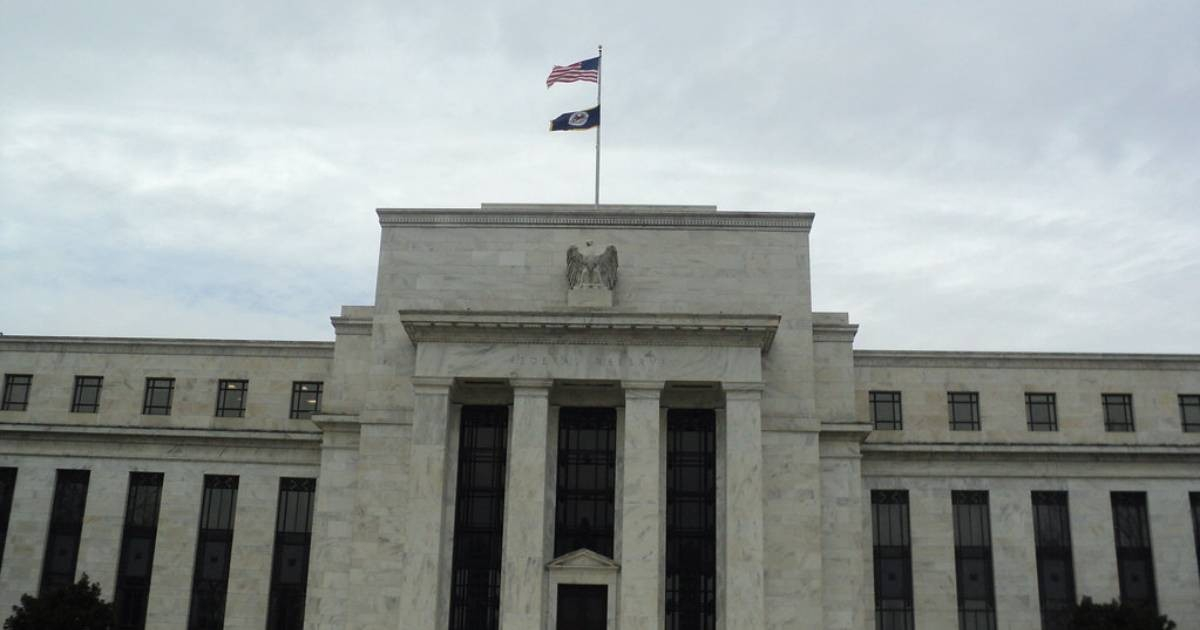
On Wednesday, the Federal Reserve of the United States (Fed) decided to increase its benchmark interest rate by a quarter-point, setting it within a range of 3.75% to 4.00%. This move is likely to make credit more expensive for millions of consumers, directly opposing President Donald Trump's repeated demands to cut rates.
This marks the first rate hike since 2023, as the Fed reacts to persistently high inflation rates that exceed their 2% target, according to the Associated Press.
Inflation Concerns Drive Rate Hike
Kevin Warsh, the Federal Reserve Chairman, explained that the decision was driven by prolonged inflationary pressures. "The reality is that inflation has been unacceptably high for too long," Warsh stated. "We must ensure that core inflation is approaching our target clearly and swiftly."
Warsh added, "Today, the FOMC decided that this requirement is not met."
The Federal Open Market Committee (FOMC) unanimously supported this decision. In their previous meeting at the end of July, the Fed had kept rates unchanged, with three officials advocating for an increase.
Global Tensions and Economic Impacts
The situation is further complicated by tensions with Iran, which have added new pressures on energy prices. Nationwide, gasoline prices have risen over 7% in the past month.
"There's no escaping the global hotspots of conflict," Warsh remarked.
Impact on Consumers and Housing
This interest rate rise could gradually lead to more expensive loans, especially affecting those with credit card balances or those financing car purchases.
It comes at a challenging time for potential homeowners, as buying property in the U.S. becomes more difficult amid high mortgage costs and property prices that continue to strain buyers.
Political Ramifications and Future Projections
This move also places Warsh in a politically delicate position with the president who nominated him for the Fed chairmanship. Trump has been calling for significantly lower rates and had made clear during Warsh's confirmation that he expected cuts.
Yet, Warsh confirmed to the Senate Banking Committee that he had not promised any rate cuts to the president and would make decisions independently.
When asked by reporters about Trump's potential reaction to this first rate hike in three years, Warsh replied, "I have nothing to say regarding a possible conversation with the president."
Later in the day, Trump reiterated his call for drastic rate reductions. "U.S. interest rates should be 1%, or lower, because we are the best credit in the world. Lower the interest rates for the United States, and fast!" the president posted on Truth Social.
Trump's pressure stands in stark contrast to the Fed's own signals.
In their latest forecasts, 16 out of 18 central bank officials who submitted estimates anticipated at least one more hike before the end of 2026, with four projecting two additional increases.
If these predictions materialize, the reference rate could close the year around 4.1%.
Preston Caldwell, the chief U.S. economist at Morningstar, noted, "Warsh's stern tone in the post-meeting press conference suggests he might be pushing for rate increases in upcoming meetings."
The next decision is expected at the end of October, just a week before the midterm elections, in a climate where the cost of living remains a major economic concern for Americans.
For now, Wednesday's decision sends a clear message: the Federal Reserve believes that containing inflation necessitates a more restrictive monetary policy, despite the White House's push to reduce borrowing costs.
Key Questions About the Federal Reserve's Rate Increase
Why did the Federal Reserve increase interest rates?
The Federal Reserve raised interest rates to address persistent inflation that remains above their target of 2%.
How will the rate hike affect consumers?
The increase in rates is likely to result in higher borrowing costs for consumers, especially those with credit card balances or seeking auto financing.
What are the political implications of this decision?
The rate hike places Federal Reserve Chairman Kevin Warsh in a politically sensitive position, as it goes against President Trump's calls for lower interest rates.
What are the future projections for interest rates?
According to the Fed's forecasts, most officials expect at least one more rate increase before the end of 2026, with some anticipating two additional hikes.