The fate of 92 Cuban healthcare professionals working in Belize is expected to be determined by the end of September. The Belizean government is currently negotiating a restructuring of their agreement with Cuba, amidst strong pressure from the United States to terminate the program.
Potential Impact on Belize's Healthcare System
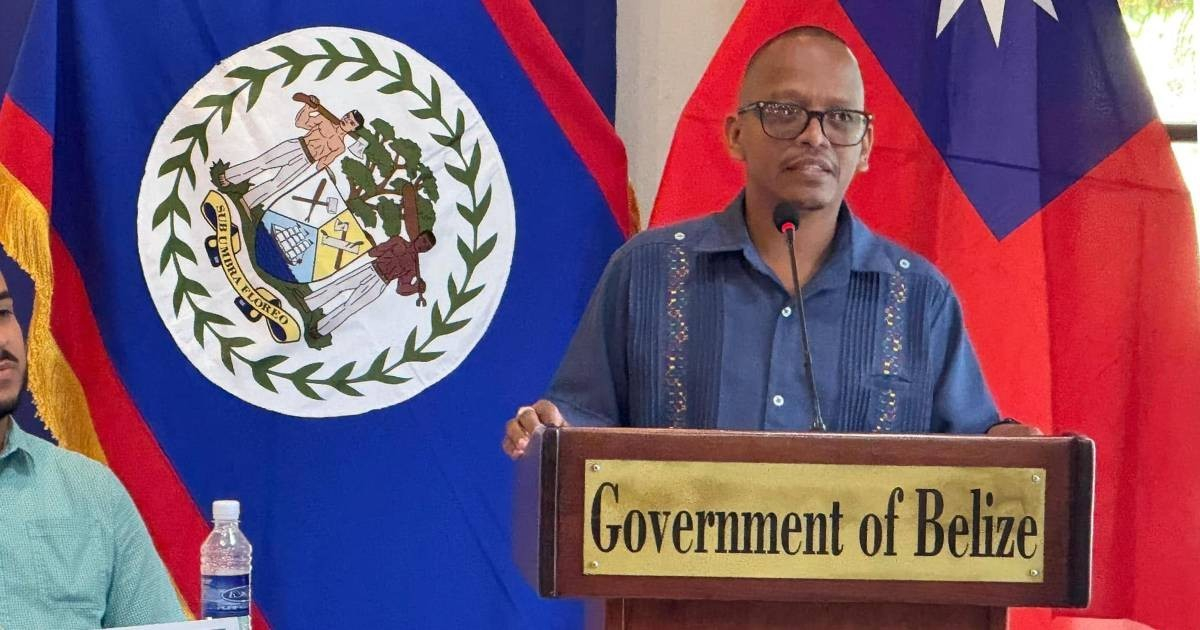
Kevin Bernard, the Minister of Health and Wellness, expressed on Monday to Greater Belize Media his hope for a resolution by month's end. He warned that the departure of the Cuban professionals could severely impact a healthcare system already burdened by staffing shortages.
"If they were to leave, it would certainly exacerbate the situation within our already strained healthcare system. We are significantly short of doctors, physician assistants, and nurses," Bernard admitted.
Wide Range of Medical Expertise
The group of 92 professionals includes specialists, general practitioners, technicians, radiologists, rural nurses, and a psychiatrist. They are deployed across Belize, from the Karl Heusner Memorial Hospital, the nation's key referral center, to rural communities.
The reliance on Cuban professionals is particularly notable in the Toledo district in southern Belize, where eight out of the 16 available doctors are Cuban.
"Imagining our system without them would create immense pressure. We already struggle to recruit local doctors or staff willing to work in the south," the minister elaborated.
Exploring Alternatives
The Belizean government is considering various options, such as phasing out the program or allowing some Cuban professionals to remain through individual contracts, work permits, or permanent residency.
"We are in the process of restructuring this agreement. We aim to resolve this matter by the end of the month so we can move forward," Bernard stated.
This review began approximately six months ago under the Cabinet's direction, amid mounting pressure from Washington. Katharine Beamer, Chargé d'Affaires at the U.S. Embassy in Belize, recently affirmed that the U.S. is "actively supporting" the program's termination.
Concerns Over Labor Practices
The United States argues that Cuba's international medical missions exhibit forced labor traits, such as withholding part of the professionals' salaries and imposing restrictions. In April 2026, the Inter-American Commission on Human Rights advised countries in the region to disengage from these programs, citing evidence of forced labor and human trafficking.
Bernard acknowledged the negotiations' complexity, emphasizing the need for careful handling. "Belize is ready and prepared to explore measures for reaching a consensus," he affirmed.
Responding to Speculation
Addressing rumors from late August about Cuban doctors possibly leaving, sparked by images of boxes at an airport, Bernard clarified that these professionals were simply on vacation and sending items to their families.
Despite the longstanding relationship between Belize and Cuba and Cuba's support during Belize's independence, Bernard admitted the government must prioritize the country's current needs.
"Sometimes, tough decisions are necessary. They might not be politically popular, but we must make thoughtful and realistic choices that benefit the people of Belize," he asserted.
The controversy surrounding Cuban medical missions has already led to changes in other regional countries. In March, Cuba withdrew its medical brigade from Jamaica after the cancellation of a longstanding agreement, while Honduras chose not to renew its contract in February.
FAQs on Belize's Decision Regarding Cuban Healthcare Workers
Why is Belize considering ending the agreement with Cuba?
Belize is under pressure from the United States to terminate the program, as the U.S. claims these missions involve forced labor. The Belizean government is also considering the country's current healthcare needs and the potential impact on its medical system.
What alternatives is Belize exploring for the Cuban healthcare professionals?
The government is considering gradually phasing out the program or allowing some Cuban professionals to stay through individual contracts, work permits, or permanent residency.
How crucial are Cuban healthcare workers to Belize’s medical system?
Cuban healthcare workers are vital, especially in areas like the Toledo district, where they make up a significant portion of the available medical staff. Their departure could severely strain the already struggling healthcare system.