Florida Governor Ron DeSantis has disclosed further information about his administration's attempt to provide internet access to Cuba during the protests on July 11, 2021. He revealed that they had secured a company willing to deploy balloons to deliver connectivity directly to mobile phones on the island.
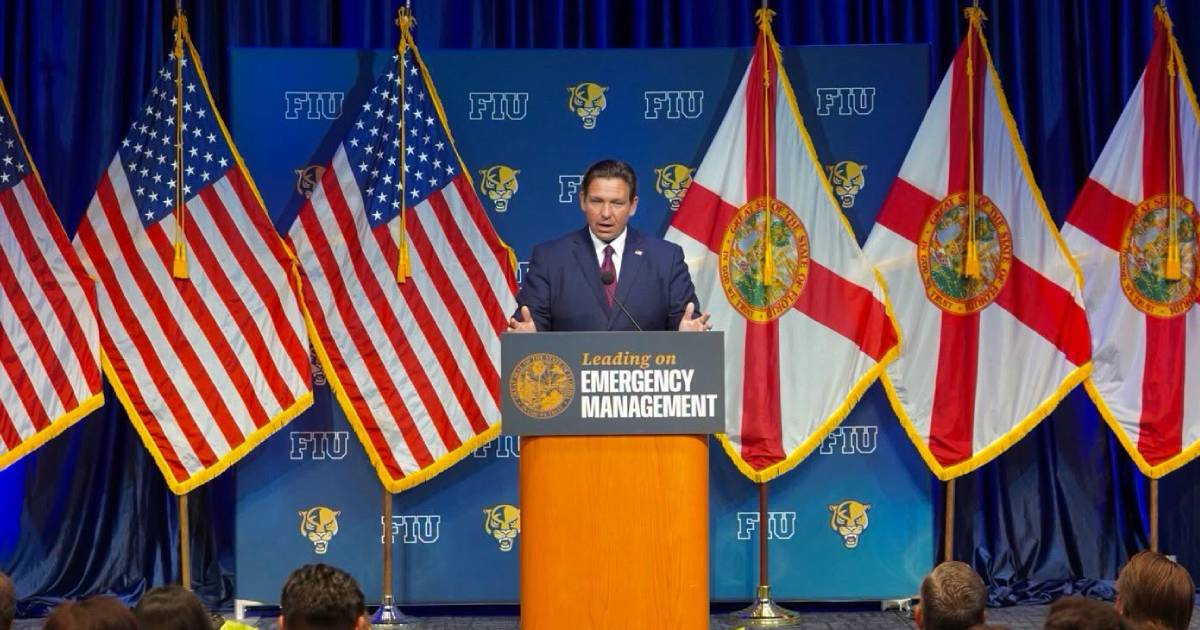
Speaking on September 10 in Miami at the Museum of the Brigade 2506, an organization linked to Bay of Pigs invasion veterans, DeSantis highlighted how the Cuban regime's internet shutdowns during the historic protests prompted his administration to explore ways to keep Cubans connected. The event featured a banner stating, "Teaching the Dangers of Communism."
DeSantis noted, "As people began protesting, the regime cut off internet access, obviously to prevent communication," criticizing the Biden administration for not offering the support Florida sought at the time.
Exploring Alternatives for Cuban Connectivity
Initially, Starlink, Elon Musk's satellite internet network, was considered. However, DeSantis explained that it required on-ground receivers, making its implementation in Cuba challenging. Consequently, Florida's Emergency Management Division pursued another option.
"We found a company willing to send balloons that would provide internet directly to smartphones," DeSantis recounted. He added that the project moved beyond mere discussions, with costs estimated and Florida ready to proceed.
"We calculated the price, and we were going to do it," he asserted, emphasizing that the potential impact justified the expense. Unfortunately, the initiative was never executed.
Federal Warning Halts Balloon Project
DeSantis revealed that the company withdrew after being warned about the risk of losing its federal license. "The company was told it would lose its federal license, so it backed out," he stated, without identifying the company or the federal entity involved.
Efforts to provide Cuba with internet were known since 2021. Just days after the protests began, DeSantis announced plans to consult with Florida companies to explore connectivity solutions in response to Havana's shutdowns.
The balloon proposal emerged weeks later. In August 2021, it was reported that DeSantis was urging the White House to consider the technology, with Cuban-American Congress members María Elvira Salazar and Carlos Giménez, former FCC Commissioner Brendan Carr, and lawyer Marcell Felipe involved in the discussions. Felipe mentioned talks with a defense contractor about deploying balloons near Cuba to provide direct mobile connectivity without relying on local providers.
Biden Administration's Response and Republican Criticism
The Biden administration acknowledged exploring alternatives. In July 2021, a senior U.S. official confirmed that the Departments of Commerce and Treasury and the FCC were examining necessary authorizations and licenses for various technologies, including satellites and balloons, despite significant technical and legal challenges.
Republican criticism intensified over the following weeks, with Florida lawmakers publicly questioning Biden's insufficient support for Cuban internet access that couldn't be disrupted by the regime.
In August of that year, the federal government announced measures to facilitate telecommunications services to Cuba. The Departments of Treasury and Commerce provided guidance on exemptions and authorizations for U.S. companies interested in supporting internet freedom on the island.
Five years later, DeSantis maintains that the opportunity was squandered, blaming the Biden administration for not adequately backing Florida's efforts. "Had there been more robust support for the people in 2021, our situation today might be very different," he stated.
"I believe it was a missed opportunity. We tried to do what we could, but unfortunately, we didn't have Washington's support under the Biden administration to get the job done," he concluded.
FAQs on Internet Initiatives for Cuba
What was the proposed solution to provide internet in Cuba?
The proposed solution involved deploying balloons to deliver internet connectivity directly to mobile phones in Cuba.
Why was the internet project for Cuba not executed?
The project was halted because the company involved received a warning that proceeding could result in the loss of its federal license.
How did the Biden administration respond to the internet access issue in Cuba?
The Biden administration explored various technologies, such as satellites and balloons, and provided guidance on exemptions and licenses for U.S. companies interested in supporting internet access in Cuba.