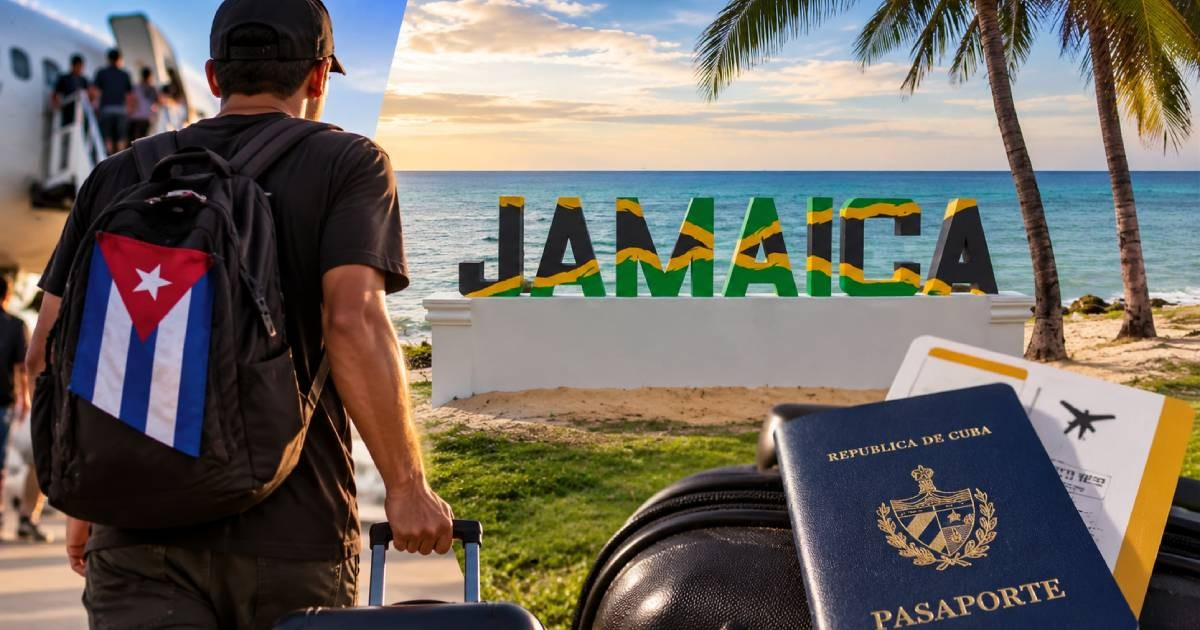
Over the past five years, Jamaica has witnessed a significant 60% increase in the issuance of temporary residency permits to Cuban citizens. These permits have risen from 374 in the fiscal year 2021-2022 to 601 in 2025-2026, amid Cuba's ongoing economic crisis and mass exodus.
The information was acquired by The Sunday Gleaner through a Freedom of Information request to Jamaica's Passport, Immigration, and Citizenship Agency (PICA).
The growth in permits has been uneven. Following the initial 374 permits in 2021-2022, approvals climbed to 435 in 2022-2023, dropped to 297 the subsequent year, and then increased again to 421 in 2024-2025, reaching a peak of 601 in the most recent fiscal year.
Broader Migration Trends
When considering other migration categories—such as work permits, exemptions, permanent residency, and unconditional landings—the total number of approvals and stay extensions granted to Cubans increased from 940 to 1,214 between 2021-2022 and 2025-2026.
This trend coincides with one of Cuba's largest emigration waves in recent history, exacerbated by prolonged blackouts, food and medicine shortages, and deteriorating public services. According to Cuba's National Office of Statistics and Information (ONEI), the country experienced a net emigration loss of over 245,000 people in 2025, roughly 2.5% of its population.
Cuban Refugees and Deportations
Jamaican records also highlight other aspects of this migration flow. Three Cubans applied for refugee status in Jamaica in 2025, with four more seeking refuge since early 2026. Conversely, 12 Cuban nationals were deported last year—11 for illegal entry and one for overstaying—and another nine have been expelled since January.
Among those settling in Jamaica is 36-year-old Rachel Martínez, who has Jamaican grandparents. After studying law in Cuba, she moved to Kingston in 2016, obtained Jamaican citizenship, and now works in the hospitality industry.
Life in Cuba vs. Jamaica
A visit to Cuba in late 2024 allowed Martínez to witness firsthand the declining living conditions affecting her parents. "The quality of life there is practically nonexistent. The healthcare we were once so proud of is very poor. They have nothing. Right now, healthcare in Jamaica is literally better than in Cuba," Martínez told The Sunday Gleaner.
Her mother is a cancer survivor, and her father is recovering from a stroke. Martínez explained that she pays for private medical services in Cuba and sends basic supplies such as needles, cotton, and catheter bags from abroad. These supplies are sent through a WhatsApp group of Cubans in Jamaica and Miami-based courier services.
Martínez directly attributes the decline in living standards to the Cuban authorities. "The Cuban people are suffering, and the sad part is it only affects them, because those in government don't suffer with the people. They have cars, electricity, access to everything. They can travel. So, whatever ideology they cling to certainly only benefits them," she stated.
Jamaica as a Transit Point
The increased presence of Cubans in Jamaica also aligns with the restrictions imposed by the Trump administration on migration to the United States. Martínez notes that some of her compatriots view the Caribbean nation as a stopover while awaiting an opportunity to move to the U.S.
"There are thousands of Cubans here, mainly because Trump has tightened measures at the southern border. Many are here waiting for Trump to leave so they can go to the U.S.," she explained.
PICA's data thus reveals that while hundreds of thousands of Cubans continue to flee the island, Jamaica has emerged as a viable temporary or permanent destination for some of these migrants.
Insights on Cuban Migration to Jamaica
Why are more Cubans moving to Jamaica?
The increase in Cuban migration to Jamaica is largely driven by the severe economic crisis in Cuba, marked by shortages of basic necessities and deteriorating public services, prompting many to seek better living conditions abroad.
How has the Trump administration affected Cuban migration patterns?
The Trump administration's stricter immigration policies have led some Cubans to view Jamaica as a temporary stopover while they await opportunities to migrate to the United States.