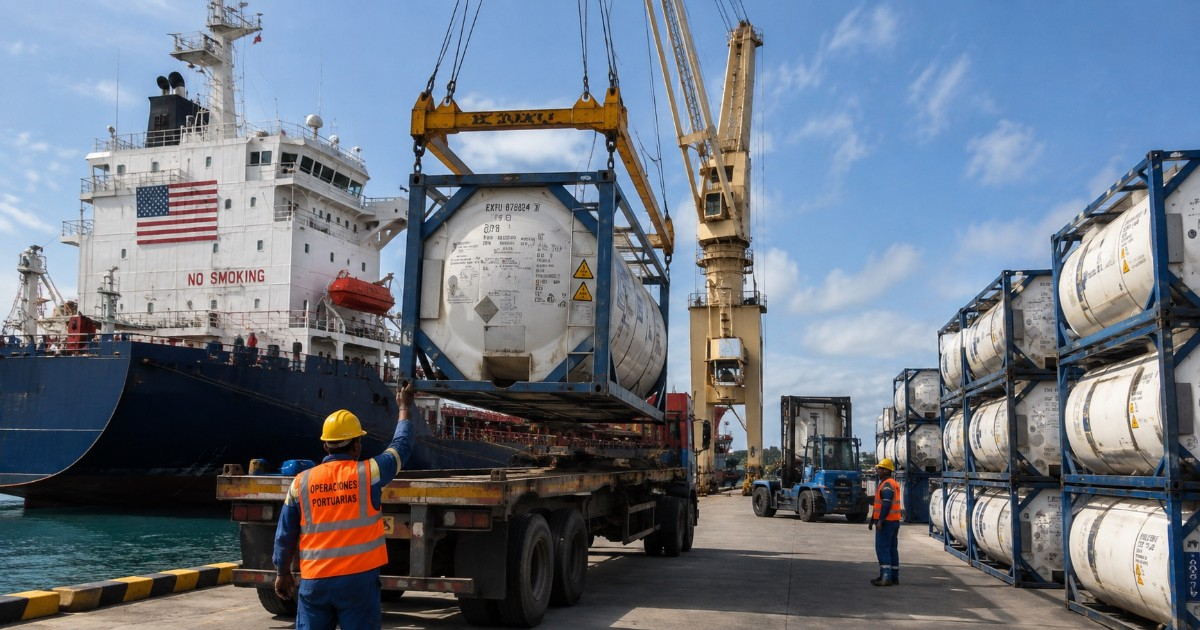
In the early months of 2026, the Trump administration discreetly considered a groundbreaking energy agreement with Cuba that could have drastically altered bilateral relations: U.S. oil in exchange for the privatization of the state-owned CUPET and the removal of Miguel Díaz-Canel from power. However, two significant factors derailed the plan.
An exclusive investigation by the Miami Herald, citing a direct source, reveals that with Cuba's oil reserves nearly depleted, Washington proposed a solution: supplying the island with the necessary oil if the government agreed to privatize CUPET.
The negotiation channel involved Colonel Raúl Guillermo Rodríguez Castro, known as "El Cangrejo" and grandson of Raúl Castro. He met with advisors close to Secretary of State Marco Rubio in Saint Kitts and Nevis during a CARICOM summit.
The proposal allowed Cuba to receive American oil in return for major changes in its energy sector, including privatizing CUPET or allowing foreign investors into the company.
Such an agreement could have alleviated the crisis affecting a population enduring increasingly prolonged blackouts. Yet, the Cuban government's reluctance and political disagreements surrounding the talks ultimately doomed the initiative.
The alleged agreement sent shockwaves through Cuba's government because it included the demand for Díaz-Canel's resignation.
This proposed deal was part of Trump's "Donroe Doctrine," aiming to expand U.S. influence in the Western Hemisphere, following a similar strategy used in an agreement with Venezuela's interim president, Delcy Rodríguez, to access large oil reserves.
As a gesture of interest, the administration approved the sale of American oil to private Cuban entities in February. However, companies like Vanguard Energy failed to capitalize on this opening due to the State Department's denial of authorization and federal sanctions against CUPET blocking shipments.
Barriers to Negotiation Success
Two critical barriers hindered progress in the negotiations. On the Cuban side, Rodríguez Castro privately stated that while open to economic reforms with his grandfather's blessing, Washington could not dictate Cuba's governance. The Castro family would not relinquish power, nor would Díaz-Canel be ousted due to external demands.
On the American side, political pressure from Miami was decisive. Cuban-American legislators like Carlos Giménez, Mario Díaz-Balart, and María Elvira Salazar publicly denied any formal negotiations and warned against replicating the Venezuelan model, where the Trump-Rodríguez agreement left the chavista structure intact.
In an April congressional hearing, Salazar was unequivocal: "The Cuban people deserve freedom, not another agreement to keep the same regime in power. I made it clear: no negotiations with the Castro family to preserve a dictatorship. Cuba's future should be decided by its people, not by a dynasty."
Additionally, any agreement involving CUPET would have needed to address ExxonMobil's claims for properties confiscated by Fidel Castro. In June 2026, the U.S. Supreme Court allowed a lawsuit to proceed against CUPET and CIMEX, adding another layer of legal complexity to a negotiation already politically dead.
Insights into the U.S.-Cuba Oil Negotiations
What was the proposed U.S.-Cuba energy deal?
The proposed deal involved the U.S. supplying oil to Cuba in exchange for the privatization of CUPET and the removal of Miguel Díaz-Canel from power.
Why did the negotiations fail?
Negotiations failed due to the Cuban government's reluctance to accept external demands and strong political opposition from Cuban-American legislators in Miami.
Who was involved in the negotiation talks?
Colonel Raúl Guillermo Rodríguez Castro, grandson of Raúl Castro, met with advisors close to U.S. Secretary of State Marco Rubio during the negotiations.