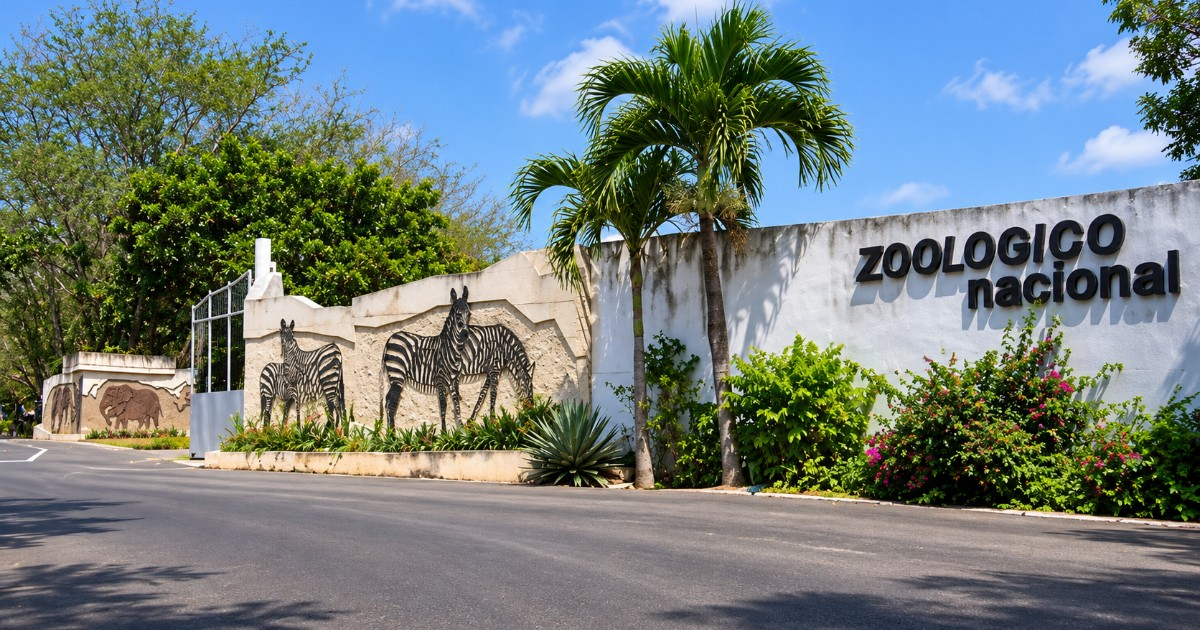
The Cuban National Zoo has announced an indefinite closure, citing a lack of electricity and water as the primary reasons. This announcement was made through a brief post on their official Facebook page, leaving many questions unanswered about the care and well-being of the more than 1,500 animals representing over 100 species housed within the Boyeros, Havana facility.
No reopening date was provided, and the zoo offered little information regarding any contingency plans for the animals and staff. This unexpected closure has sparked a wave of reactions on social media, with many Cubans expressing a mix of sadness, outrage, and concern for the future of the zoo's inhabitants and employees.
One user commented, "Shutting down a zoo due to water and power shortages is not just about closing doors. It highlights a painful reality where even animals are victims of neglect and resource scarcity."
Others criticized the institutional neglect, stating, "Leaving the zoo without electricity and water is criminal towards both the animals and the dedicated workers who strive to maintain it despite limited resources."
Ongoing Concerns and Historical Context
Worries about the future of the zoo's animals were a recurring theme, with one commenter urging, "What will happen to the animals? The lack of concern for them is staggering. They should be donated to institutions abroad where they can be saved."
This isn't the first time the zoo has faced operational disruptions. It has a history of service interruptions, including a complete closure in March 2023 due to fuel shortages, and the suspension of safaris from Wednesday to Friday in October of the same year for the same reason.
A Distinct Reason for Closure
What sets this closure apart is the explicit acknowledgment of water and electricity shortages as the cause. Just two months prior, the zoo was operating on a mere five liters of diesel per day, a quarter of the 20 liters required to transport food. They had also replaced buses with horse-drawn carriages and electric tricycles for internal tasks.
In July 2026, the zoo celebrated the birth of four Bengal tigers, including a rare white one, described by caretaker Ángel Cordero as "a small miracle" given the current circumstances.
Established on March 24, 1984, the Cuban National Zoo is the largest facility of its kind in the country, spanning over 300 hectares. "Poor decisions, indifference, and excuses have erased a history of more than 40 years," summarized a user in one of the most shared comments under the closure announcement.
FAQs About the Cuban National Zoo Closure
Why did the Cuban National Zoo close indefinitely?
The zoo closed indefinitely due to a lack of electricity and water, as stated in their announcement on Facebook.
How has the public reacted to the zoo's closure?
The closure has sparked a mix of sadness, anger, and concern among the public, particularly regarding the welfare of the animals and the future of the zoo's staff.
What are the historical challenges faced by the Cuban National Zoo?
The zoo has a history of service interruptions due to resource shortages, including a complete closure in March 2023 due to fuel shortages.
What is significant about the zoo's recent animal births?
In July 2026, the birth of four Bengal tigers, including a rare white one, was deemed a "small miracle" by zoo staff, highlighting the challenges in maintaining animal care amid resource scarcities.