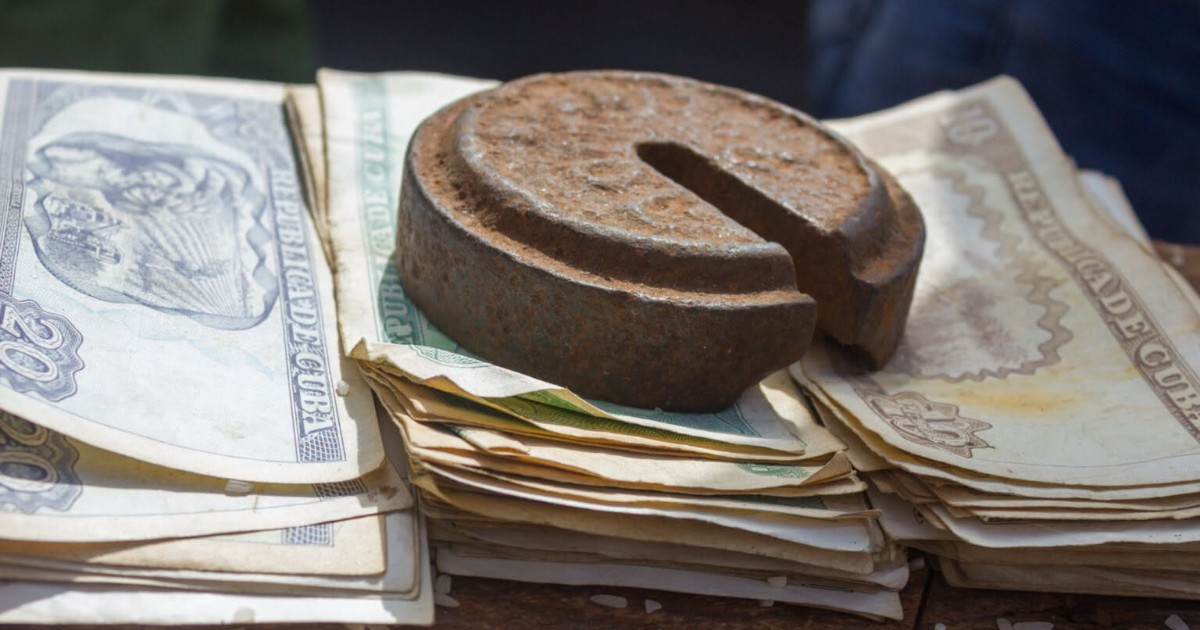
In a sweeping crackdown, authorities in Matanzas have shuttered 46 businesses and issued over 1,000 fines after uncovering 1,818 violations across the province's 13 municipalities.
The state-run newspaper Girón reported on Wednesday that these enforcement actions, which took place between August 10 and September 3, targeted both state-operated and private enterprises.
Data released by the Social Communication Group of the Provincial Government of People's Power of Matanzas indicated that a total of 1,818 violations were identified during this period, resulting in 1,074 fines.
The report detailed that 587 fines were levied under Decree 30, while another 479 were imposed according to Decree-Law 91. However, the sum of these figures is 1,066, which is eight less than the total of 1,074 fines reported, a discrepancy that was not explained in the publication.
Collectively, the fines amounted to 6,853,570 Cuban pesos.
Alongside these penalties, authorities received 63 complaints, 86 legal reports, and issued 247 warnings.
Noel Sánchez Roque, coordinator of Programs and Objectives of the Provincial Government of People's Power, noted that the control actions also led to three seizures, 22 forced sales, and the withdrawal of two projects.
Meanwhile, Matanzas's branch of the National Office of Tax Administration (ONAT) identified taxpayer debts totaling 19,958,506 pesos.
The main infractions highlighted by authorities included profit margins exceeding 30%, failure to comply with agreed bank deposits, and violations of authorized projects.
Inspectors also found uncontracted workers and establishments lacking invoices or other legal documents to verify the origin of their products and price structures.
The report also listed failures to use payment gateways, missing informational boards, and the sale of goods without visible prices.
Additionally, officials noted instances where business owners refused to present requested documents, closed their premises to avoid inspectors, or concealed products.
Authorities have vowed to continue these inspections, emphasizing that "each violation will receive its respective, fair, and legal response."
This crackdown follows the Matanzas government's recent introduction of several hotlines for residents to report what they consider to be excessive pricing.
Before this, the province had set reference prices for ten essential food items, including oil, chicken, rice, beans, eggs, and powdered milk, while capping wholesale and retail profit margins at 30%.
Moreover, Matanzas's inspection campaign is part of a broader initiative against irregularities in both state and private businesses across various provinces.
In August, a similar operation in Las Tunas resulted in 22 business closures, eight license withdrawals, and fines surpassing 1.2 million pesos.
Also that month, 232 economic entities were scrutinized in a single day in Central Havana, leading to the closure of 15 private establishments.
The intensification of these controls has been publicly endorsed by Miguel Díaz-Canel, who warned the private sector at the end of August: "This sector must not become a space for illegalities, tax evasion, speculation, corruption, hoarding, or price setting disconnected from realities."
Frequently Asked Questions About Matanzas Business Inspections
What prompted the business inspections in Matanzas?
The inspections were part of a broad crackdown by the government to address violations in both state and private sectors, following the introduction of hotlines for reporting excessive pricing.
What were some of the main violations found during the inspections?
Authorities found profit margins exceeding 30%, non-compliance with bank deposits, uncontracted workers, and lack of legal documentation for products and pricing, among other violations.
How have the authorities responded to the identified violations?
The authorities issued fines, warnings, and conducted seizures and forced sales, with a commitment to continue monitoring and addressing each violation legally and fairly.