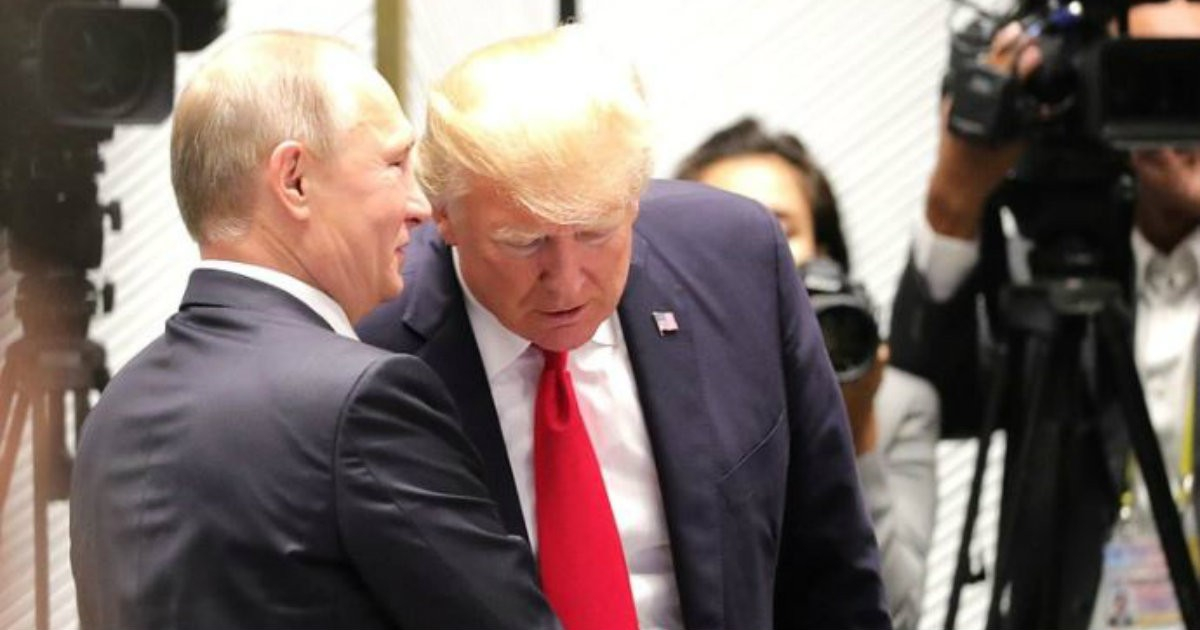
On Tuesday, Donald Trump urged Russian President Vladimir Putin to swiftly bring an end to the hostilities in Ukraine during a one-hour phone call both leaders described as "positive," marking their first discussion since July 4.
This conversation followed a diplomatic mission over the weekend by White House envoys Steve Witkoff and Jared Kushner, who traveled to Moscow and Kyiv in an effort to revive peace talks that have been stagnant since February of this year.
According to Kremlin foreign policy advisor Yuri Ushakov, Trump "clearly expressed the desire for a quick resolution to the conflict, which could immediately pave the way for fully restoring U.S.-Russia relations."
The U.S. president also noted his personal interest in achieving this progress during his term, which ends in January 2029.
Putin outlined to Trump the practical steps Washington could undertake to halt hostilities in a conflict that has lasted more than four years since its inception in February 2022.
European Tensions Addressed
During the call, Putin also dismissed any threat to Europe, with Ushakov stating that Putin emphasized, "We have no aggressive plans towards Europe," in response to escalating tensions with several countries in the region.
Both leaders agreed to continue diplomatic engagements, and Washington remains hopeful of organizing a trilateral meeting similar to the one held in Geneva last February.
Reality of Ongoing Conflict
However, the diplomatic optimism contrasts starkly with the ground realities. After a 72-hour ceasefire agreed upon by Russia and Ukraine coinciding with the envoys' visits to Moscow, both sides resumed attacks on each other's capitals on Tuesday, with no tangible outcomes from the talks.
Russian Foreign Minister Sergey Lavrov articulated Moscow's stance: "Fighting and diplomacy can proceed in parallel and simultaneously, as history shows."
Lavrov justified this by citing the "deception" Moscow claimed to have experienced in 2022, when it withdrew troops from Kiev's outskirts as a "goodwill gesture," only for Kyiv to later reject peace under the negotiated terms. "That policy remains in effect today," he emphasized.
Global Repercussions and Future Meetings
Independent experts warn that Putin has hardened his stance in recent months and is unlikely to negotiate earnestly until gaining full control of Donbas, a goal the Kremlin hopes to achieve by year's end but analysts deem unlikely before winter.
In a related development, Hungary expelled ten Russian diplomats on Tuesday for what it termed "unacceptable activities," while Germany continues to accuse Moscow of involvement in a drone incident at Leipzig airport last August, which Putin linked to the German electoral process.
The Kremlin has also announced a potential trilateral meeting between Putin, Xi Jinping, and Trump in November, which could represent a significant milestone in the peace process.
Key Questions on U.S.-Russia Relations and Ukraine Conflict
What was the main focus of Trump's call with Putin?
The main focus was to urge Putin to end the hostilities in Ukraine quickly, and to discuss steps for restoring U.S.-Russia relations.
What outcomes are expected from the potential trilateral meeting in November?
The meeting could serve as a significant step in advancing the peace process between the involved nations.
How has Russia justified its parallel approach to fighting and diplomacy?
Russia, through Foreign Minister Sergey Lavrov, has cited past experiences of "deception" and argues that both can proceed simultaneously as history has shown.