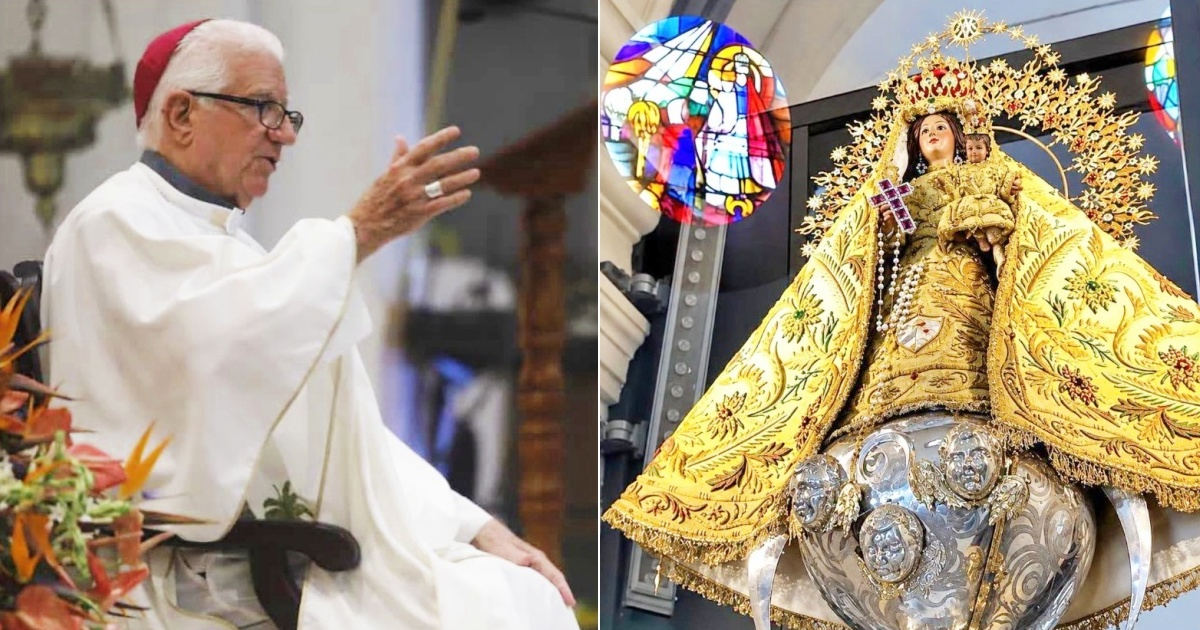
In the early hours of Tuesday, Archbishop Dionisio García Ibáñez of Santiago de Cuba addressed a large congregation of pilgrims at the National Shrine Basilica of El Cobre. His homily, delivered during the First Mass of the Solemnity of Our Lady of Charity, was deeply political and socially charged.
García Ibáñez demanded urgent structural transformations, describing the nation's condition as "sorrowful" and declaring that "no people deserve this."
A Call for Genuine Reform
The El Cobre shrine, located in Santiago de Cuba, remained open continuously from Monday evening to welcome devotees from across the island for one of Cuba’s most significant religious celebrations.
Addressing the national situation directly, the archbishop urged the faithful to pray collectively for reforms that reach deep and bring meaningful change. "Let us ask the Lord that any changes made do not remain superficial but instead profoundly impact all aspects of our lives, the lives of every Cuban," García Ibáñez declared.
He further implored the divine: "We must ask God for necessary changes so we may live with greater peace, as a people wishing to love God and each other as brothers."
A Message for Leaders
In one of the homily's most forceful moments, García Ibáñez addressed various societal groups—religious communities, students, families, doctors, farmers—asking how they could fulfill God’s will in their roles. When it came to the leaders, his message was unambiguous.
"How can a ruler do God's will? By governing for the benefit of the people, not for personal gain," he stated. "Ensure that the needs and desires of the people are met, not merely my whims or personal ideologies."
He also cautioned against political projects that exclude God: "Men often believe they can create a paradise on earth, forgetting that without God's will, our paths cannot end well."
Inspirational Figures: Judith and Mary
The archbishop's homily drew on the day’s biblical readings from the Book of Judith and the Annunciation to Mary. He highlighted how God chose Judith, a woman, to lead people toward a dignified life of faith.
Drawing parallels with Mary, García Ibáñez extended this divine call to all: "Fulfilling God’s will is a responsibility each of us must embrace according to our circumstances."
A Consistent Voice for Change
This homily is the latest in a series of bold statements by the archbishop throughout the year. In May, he declared from the same shrine that "Cuba must change." By July, he acknowledged the public's distress: "So many people are seeking help, and it is not enough." In August, he demanded that Cubans be allowed to "live with decency and dignity," criticizing empty rhetoric.
This collective call for change was formalized in January when the Conference of Catholic Bishops of Cuba, led by García Ibáñez, issued a message urging "structural, social, economic, and political changes" and warning of potential social unrest.
His homily concluded with a hopeful message: "May the Lord be with us, give us courage, and let us hold Him close today in Mary's arms, saying: You are my Savior. I want to listen to you, to follow your word."
Frequently Asked Questions about Archbishop García Ibáñez's Call for Change
What did Archbishop García Ibáñez emphasize in his homily?
He emphasized the urgent need for deep structural changes in Cuba, calling for reforms that genuinely improve the lives of all Cubans.
How did the archbishop address Cuban leaders in his message?
He urged leaders to govern for the benefit of the people, not personal interests, and to ensure that their actions align with the needs and desires of the population.
What biblical stories did García Ibáñez use to support his message?
He referred to the stories of Judith and Mary, illustrating how God used them to guide people towards a life of dignity and faith.