Renowned writer and translator Rodolfo Alpízar Castillo took to Facebook on Friday to deliver a pointed critique of the dire living conditions in his Havana neighborhood. He highlighted a period of over a week without water, less than two hours of electricity on Thursday afternoon, and an additional two hours in the early hours of Friday, coupled with near-total communication breakdowns with family abroad.
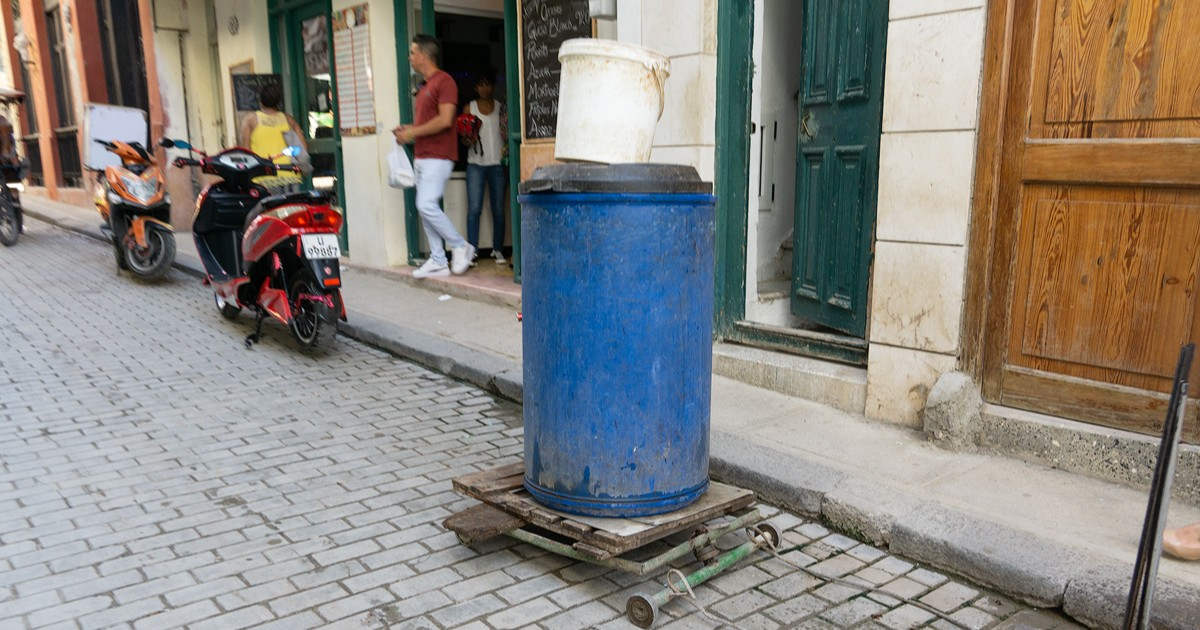
The post began with a biting tone: "And some people still complain!" Alpízar painted a vivid picture of the area between Dolores and Santa Catalina in Diez de Octubre, describing it as a place where residents, trash, and informal vendors coexist. Among the street products, he noted the abundance of eggs, sarcastically noting, "And eggs, plenty of them, for anyone willing to pay 4,800 pesos per carton!"
Alpízar reserved his harshest words for the government: "Thank you, dear leaders. Thank you for over a week without water, for providing power for an hour and 48 minutes yesterday afternoon, and for two hours from 3 am today (3 am to 5 am, or slightly less). And for keeping us nearly cut off from our relatives abroad, and for neglecting landline services."
Communication Struggles and Infrastructure Failures
The communication issues are not incidental. In June, ETECSA, the state telecommunications company, admitted that its infrastructure cannot remain operational for more than 24 hours without electricity. Previously, it had reported that power outages rendered more than 40% of mobile base stations and over 50% of telecommunications cabinets nationwide out of service.
Diez de Octubre has been grappling with a water crisis for months. In mid-August, a 78-inch pipeline rupture in Cuenca Sur left six Havana municipalities, including Diez de Octubre, without water. The problem is deeply rooted: Havana's sewer system was designed over a century ago for a population of about 600,000, yet it now serves nearly two million people with outdated pipes.
Analysis from the National Institute of Hydraulic Resources suggests that approximately 2.7 million Cubans lack regular access to potable water. The electricity collapse exacerbates the water crisis, as over 80% of the water supply system relies on electric pumps.
Cultural Criticism from Within
Alpízar is not an outsider. As a former vice president of the Literary Translators Section of the Union of Writers and Artists of Cuba (UNEAC) and recipient of the Aurora Borealis Prize from the International Federation of Translators in 2011, his critique comes from within the cultural framework established by the regime, making it difficult to dismiss him as merely an opposition figure.
Throughout 2026, Alpízar has maintained a public narrative of critique. In August, he refused to participate in the International Book Fair, condemning any expenditure on the event as "a penny stolen from the people's welfare." Days before his Thursday post, he criticized sewage overflows in the Santos Suárez neighborhood, also in Diez de Octubre, with the ironic remark: "Beautiful tourist views."
He concluded his post with a direct political demand: "Hold a referendum to see how grateful we are and how much we love you," accompanied by hashtags #PlebiscitoYa, #AmnistíaYa, and #Artículo56Ya. The latter refers to Article 56 of the 2019 Cuban Constitution, which acknowledges the rights to assembly and peaceful protest, although in practice, the regime systematically suppresses any dissent.
Alpízar's call for a referendum is not new. In June, he publicly demanded that it be "transparent and auditable" with international oversight.
Cuban Crisis and Government Accountability
What are the main issues highlighted by Rodolfo Alpízar Castillo?
Rodolfo Alpízar Castillo emphasizes a severe lack of water, limited electricity, and significant communication problems affecting his community in Havana.
How does the infrastructure in Havana contribute to these problems?
Havana's infrastructure is outdated, with a sewer system built for a much smaller population, leading to frequent breakdowns and inefficiencies, especially amid power outages.
Why is Alpízar's critique significant?
Alpízar's critique is significant because it comes from within the cultural system established by the Cuban regime, making it difficult to dismiss him as just an opposition voice.