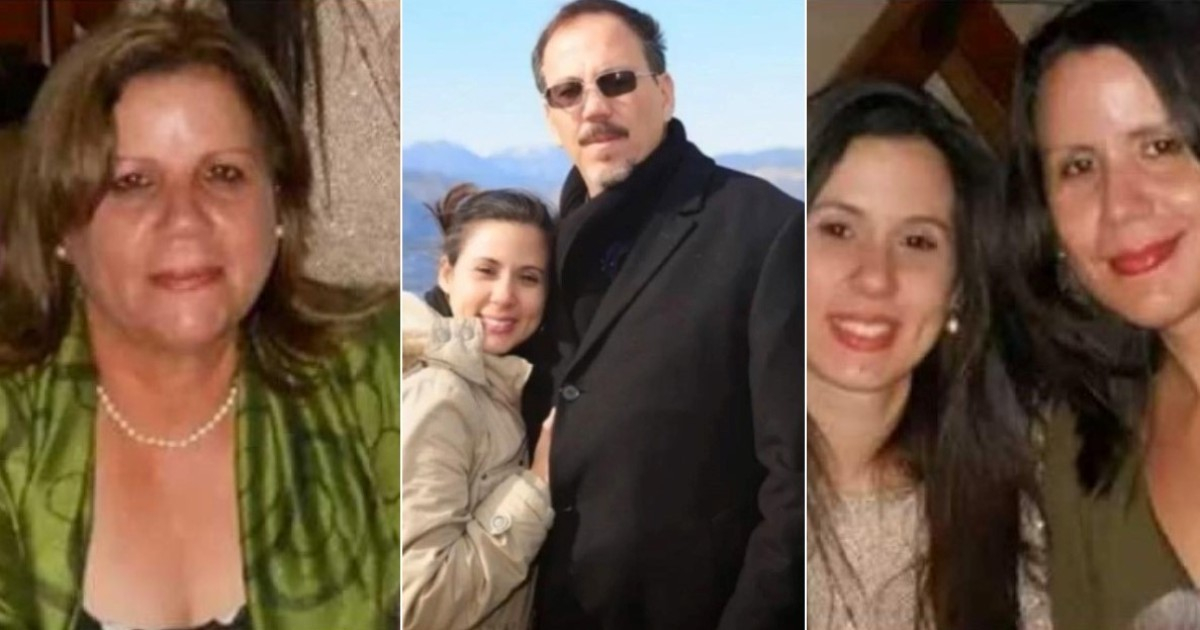
Recent journalistic findings suggest that Ana Adis Cardero Pacheco, the mother-in-law of Alejandro Castro Espín, and a resident of Hialeah, Florida since June, may have provided misleading information to the U.S. State Department to hide her marriage to a colonel associated with the Cuban regime. This exclusive was reported by journalist Mario J. Pentón on Sunday.
According to sources contacted by Pentón, Cardero Pacheco allegedly used a different name for her actual husband, Colonel Hugo Leandro Rueda Jomarrón, when applying for a tourist visa in Mexico in 2013. Providing false details in such applications to the State Department is considered a federal offense in the United States.
Implications of False Declarations
Reports have linked Rueda Jomarrón to the establishment of Cuba's Eastern Army and National Revolutionary Militias, as well as organizing suppression of dissent and property confiscations in Santiago de Cuba.
The situation involves immigration documents and potential false statements to the State Department. Stay updated on visas, residency, and consular processes in our U.S. Immigration section.
Connections and Alleged Missions
The military figure is also reported to have been involved in missions in Angola and Nicaragua and to have received personal honors from Raúl Castro, according to those reports.
Cardero Pacheco entered the United States in 2013 with this tourist visa, lived there unlawfully for some time, and secured permanent residency in 2023 through the Cuban Adjustment Act. Despite living in Hialeah, she frequently travels to Cuba.
Family Ties and Sanctions
Her daughter, Annalie Lilliam Rueda Cardero, the wife of Alejandro Castro Espín, faced sanctions from Washington on June 23, 2026, as an adult relative of Castro Espín under Executive Order 14404. These sanctions freeze properties and interests of those designated within U.S. territory or under the control of U.S. persons.
Alejandro Castro Espín, the only son of Raúl Castro, was sanctioned earlier on June 4, 2026, alongside President Miguel Díaz-Canel and other members of Cuba's state apparatus.
Another daughter of Cardero Pacheco, Meurys Yisell Rueda Cardero, also resides in South Florida and has U.S. citizenship, according to Martí Noticias in their initial investigation from June.
Political Reactions and Legal Consequences
The initial revelation of Cardero Pacheco's presence in Hialeah sparked political responses, including remarks from Congressman Mario Díaz-Balart regarding the presence of relatives of regime officials on U.S. soil.
This latest chapter in the investigation raises serious legal questions, highlighting a potential falsification in a federal immigration process. Pentón concluded his report with a question that encapsulates the ongoing debate: “Will there be any consequences?”
Key Questions on Immigration Violations
What are the potential legal repercussions for providing false information to the U.S. State Department?
Providing false information to the U.S. State Department is a federal offense that can result in severe legal penalties, including fines, imprisonment, and deportation.
How might these allegations affect Ana Adis Cardero Pacheco's residency status in the U.S.?
If proven, these allegations could lead to a review and potential revocation of her residency status, as well as possible deportation proceedings.
What is the Cuban Adjustment Act and how did it benefit Ana Adis Cardero Pacheco?
The Cuban Adjustment Act allows Cuban nationals who have been present in the U.S. for at least one year to apply for permanent residency. Ana Adis Cardero Pacheco used this act to gain her residency status in 2023.