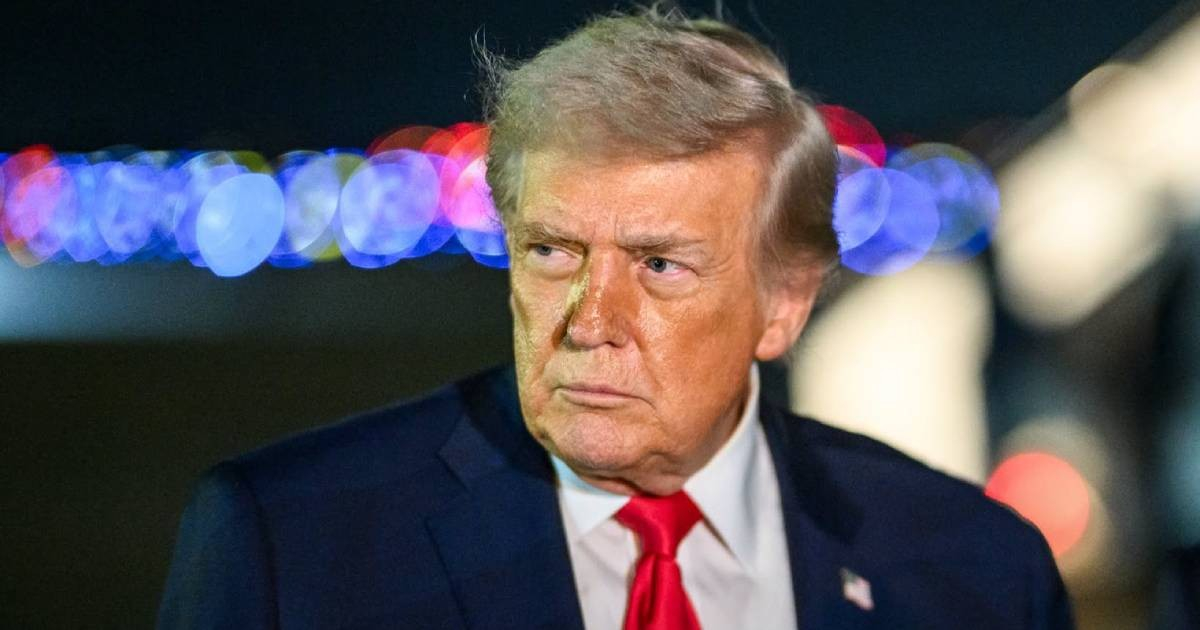
President Donald Trump's administration has once again turned to the U.S. Supreme Court, requesting permission for the United States Postal Service (USPS) to implement new mail-in voting regulations ahead of the November 2026 midterm elections, as reported by SCOTUS Wire.
This latest request comes just two days after a federal judge blocked the measure, cautioning that its implementation, with less than 70 days to go before the elections, could jeopardize the voting rights of millions of Americans who rely on mail-in ballots.
This marks the third appeal made by the administration to the Supreme Court regarding this issue. The most recent submission, filed under number 26A305 by Solicitor General D. John Sauer, replaces a previous request withdrawn by the Department of Justice on Sunday to streamline the process before the highest court.
Urgency in the Legal Battle
The legal confrontation intensified on Friday when Federal Judge Indira Talwani from the District of Massachusetts issued a preliminary injunction preventing the implementation of the new USPS regulation while the court proceedings continue.
Judge Talwani expressed that the plaintiffs are likely to prove the rule's illegality and unconstitutionality, warning of its potential impact just weeks away from the elections.
"The immediate enforcement of the Final Rule, issued less than seventy days before the November 2026 elections, poses a threat to the voting rights of millions of U.S. citizens wishing to vote by mail," stated the judge.
Details of the New Regulation
The regulation stems from an executive order signed by Trump in March 2026, titled "Ensuring Citizenship Verification and Election Integrity in Federal Elections."
Among its provisions, it mandates that states provide information such as the name, address, and barcode of mail ballot recipients through an electronic portal. Additionally, it would allow the USPS to reject certain mailings directed at voters who cannot be verified through a federal database.
The Trump administration argues that these requirements are minimal and fall within the Postal Service's authority to establish conditions for processing election-related mail.
"The Postal Service's final rule imposes only modest envelope design and recipient information requirements," the administration contended before the Supreme Court. According to them, the measure "clearly does not usurp state control over election administration" but rather sets criteria for handling specific election-related mailings.
Opposition and Implications
The plaintiffs, including the state of California and the League of Women Voters of Massachusetts, hold a different view: they believe the federal government is unlawfully interfering in the administration of elections, a responsibility primarily assigned to states by the Constitution.
This legal battle takes on added urgency due to the impending legislative elections on November 3, 2026.
North Carolina began sending out its first mail-in ballots for the general elections last week, becoming the first state to do so this year.
The lawsuit is part of a broader debate over the extent of federal authority in regulating electoral processes. In February, Trump suggested that Republicans should "nationalize" elections, remarks that drew criticism, even from leaders within his own party, including Senate Majority Leader John Thune and House Speaker Mike Johnson.
Supreme Court Justice Ketanji Brown Jackson, initially responsible for handling emergency requests from this jurisdiction, ordered opposing parties to respond to the government's petition by 4:00 p.m. on September 9.
Following this, the Supreme Court must decide whether to allow the new Postal Service rules to take effect while litigation continues, a decision with immediate implications for mail-in voting less than two months from the midterm elections.
Understanding the Implications of Mail-In Voting Changes
What are the new rules the USPS wants to implement for mail-in voting?
The proposed rules require states to provide information about mail ballot recipients through an electronic portal. They also allow the USPS to reject mailings to voters who cannot be verified via a federal database.
Why did the federal judge block the new USPS regulation?
The judge ruled that the regulation might be illegal and unconstitutional, and its enforcement could threaten the voting rights of millions of Americans wishing to vote by mail, especially so close to the elections.
How does this legal battle impact the upcoming elections?
The ongoing litigation and potential enforcement of new rules could affect the processing of mail-in ballots, influencing voter turnout and the overall administration of the upcoming midterm elections.