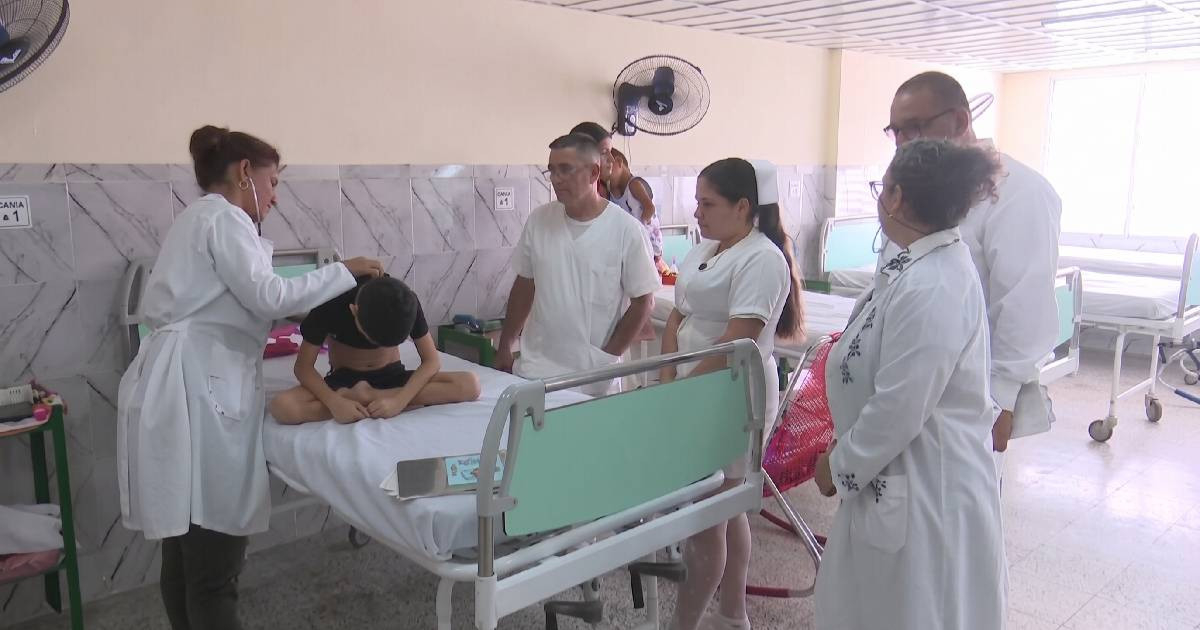
The Mártires de Las Tunas Provincial Pediatric Hospital is urging families to use coconut water and homemade oral rehydration solutions for children suffering from diarrheal diseases. This recommendation comes in response to the dwindling supply of oral rehydration salts in pharmacies and a slight rise in arbovirus cases in the province.
"Due to the reduced supply of rehydration salts available at pharmacies, we are promoting homemade preparation methods through educational talks with families at clinics and at the hospital. We are also sharing the benefits of coconut water for hydration," emphasized Yaneisi Salinas Medina, the hospital's director, as reported by the official digital portal Tiempo 21 this Sunday.
Salinas elaborated that these alternatives are being communicated through educational sessions with families both in the clinics and at the hospital itself.
The shortage of rehydration salts is neither a new issue nor is it confined to Las Tunas. Since November 2025, the government has urged Cubans to create their own rehydration solutions using boiled water, salt, and sugar amid a medication crisis that has left only 30% of the country's basic drug supply available.
The epidemiological context in the province worsens the situation. Earlier this month, health authorities confirmed the circulation of dengue serotype 4 in Las Tunas. Dr. Yumara Acosta García, director of the Provincial Center for Hygiene, Epidemiology, and Microbiology, noted that the situation is "much more complex from a clinical standpoint."
The head of the Las Tunas pediatric center warned that dengue poses a real threat to children because it is a disease "that can become complicated and potentially fatal if not diagnosed and treated promptly, putting the patient's life at risk."
Salinas pointed out that fever is the most noticeable symptom in the early stages of dengue in young children. Common complications include dehydration and seizures due to high temperatures, so she urged immediate medical attention.
Given the energy crisis that hinders proper food preservation, the official stressed the importance of boiling water, ensuring proper cooking of food, and maintaining strict hygiene when handling fruits and vegetables.
She also cautioned against inappropriate practices that could worsen the clinical condition of infants: never suspend breastfeeding or administer any concoctions.
The Las Tunas pediatric hospital has been facing shortages for months. In August, a private enterprise donated natural juices to the hospital due to a lack of baby food; Salinas Medina acknowledged that the hospital meets its needs "with the help of non-state actors and independent producers."
The arbovirus crisis is spreading across the island. Guantánamo remains in an Epidemiological Alert due to increased waste sites, Sancti Spíritus has seen consecutive weeks of rising numbers, and in June, Deputy Minister of Public Health Carilda Peña warned that, without sufficient action, "we could face an epidemic."
Cuba ended 2025 with more than 81,900 cases of dengue and chikungunya and at least 65 deaths, over 20 of which were children, according to the Pan American Health Organization.
Addressing Health Challenges in Cuba
What alternatives are being promoted for oral rehydration in Las Tunas?
The Mártires de Las Tunas Provincial Pediatric Hospital is promoting the use of coconut water and homemade oral rehydration solutions as alternatives to commercial rehydration salts.
Why is there a shortage of rehydration salts in Cuba?
The shortage is part of a broader medication crisis in Cuba, where only 30% of the basic drug supply is available, prompting the government to encourage homemade solutions.
How is the dengue situation affecting children in Las Tunas?
Dengue poses a significant risk to children in Las Tunas, with fever being the primary symptom. Complications can include dehydration and seizures, necessitating prompt medical intervention.
What measures are being recommended to prevent foodborne illnesses amid the energy crisis?
To prevent foodborne illnesses, boiling water, proper cooking of food, and stringent hygiene practices in handling fruits and vegetables are recommended.