On Friday, the U.S. Board of Immigration Appeals (BIA) revoked asylum previously granted to a Venezuelan citizen who opposed the Chávez regime, marking a decision that sets a binding precedent.
The BIA concluded that the capture and removal from power of Nicolás Maduro on January 3, 2026, represents a significant shift in Venezuela's conditions, which must be considered when assessing asylum claims based on political persecution.
This case emerged after the Department of Homeland Security challenged a ruling by an immigration judge, who on April 22, 2026, had awarded asylum to the applicant, acknowledging her well-founded fear of future persecution due to her opposition activities.
Arriving in the United States in July 2014 on a student visa, the woman disclosed that she and her husband were involved in pro-democracy groups in Venezuela. They were reportedly threatened and harassed by regime supporters and a University of Carabobo official.
The ruling noted that the applicant's claim hinges on her political stance against the Maduro government and acknowledged that her husband had been physically assaulted. Additionally, in October 2025, Venezuelan authorities voided her passport while she was already in the U.S.
The BIA's three-judge panel overturned the initial ruling, remanding the case for further review, arguing that the original judge did not sufficiently assess the political change's impact on the applicant's specific risk.
While acknowledging that a change in national leadership does not automatically negate a well-founded fear of persecution, the BIA emphasized that "the ousting of a national government leader is a highly significant event, not merely a minor incident in a static political landscape."
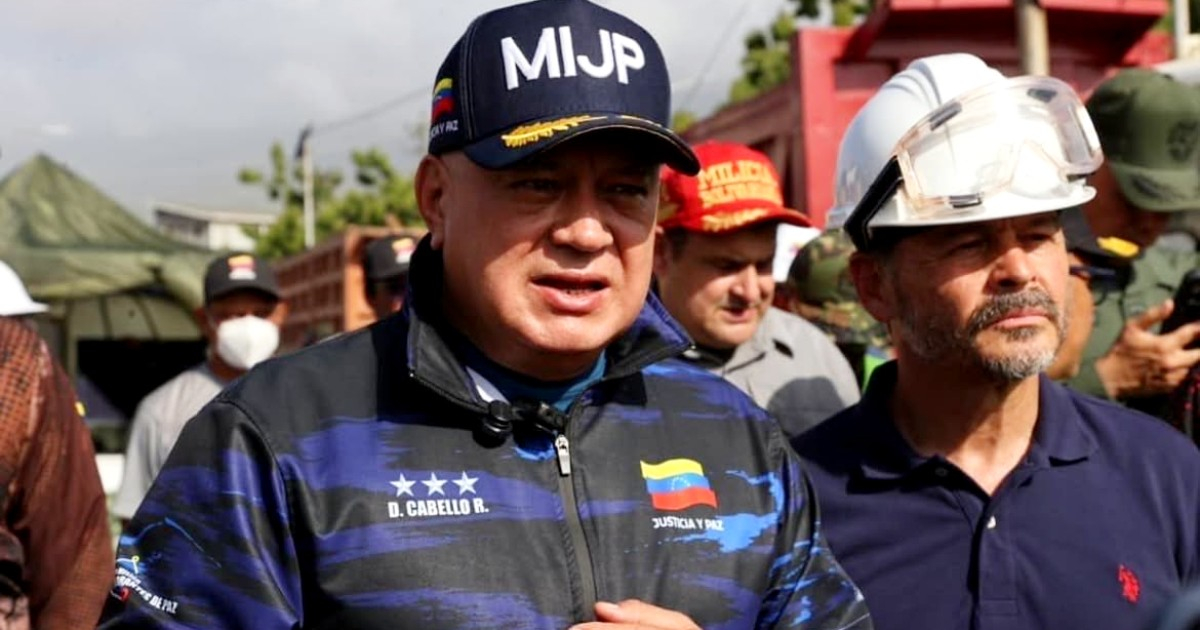
This legal debate is crucial because, although Maduro is detained in the U.S., the Chávez regime's influence persists. Delcy Rodríguez is acting president of Venezuela as of January 5, 2026, with her brother Jorge Rodríguez leading the National Assembly, and Diosdado Cabello, as Minister of the Interior, controlling the state's security and intelligence apparatus.
The U.N. Mission highlighted that Cabello "heads the core of the state's repressive machinery" in Venezuela, continuing to publicly threaten opposition figures, reinforcing arguments that persecution risks remain.
The applicant's attorney, Rosa M. Medina, argued that "the structural apparatus of state persecution and torture in Venezuela remains intact," with military, intelligence, and paramilitary networks still under Chávez loyalists' control.
The initial judge had determined that "the essence of Maduro's government endures" and "Maduro's regime has not vanished," but the BIA found these statements conclusory and lacking in adequate factual analysis regarding the applicant's concrete risk in the new political context.
Evidence of changing conditions cited by the BIA includes the reopening of the U.S. Embassy in Caracas on March 30, 2026, a historic oil agreement announced on August 31, and discussions between the Venezuelan government and the last democratically elected National Assembly of 2015, aiming for an electoral transition.
The ruling also instructed the lower court judge to determine whether the asylum application was filed within the legally required one-year timeframe, a matter the original judge did not address.
This precedent could potentially impact tens of thousands of Venezuelans with pending asylum claims in the U.S. based on political persecution under the Chávez regime, amid the Trump administration's policy of maximum pressure and renewed scrutiny of previously granted political asylums.
Implications of the BIA's Decision on Venezuelan Asylum Seekers
Why did the BIA revoke the asylum of the Venezuelan opposition figure?
The BIA revoked the asylum because they determined that the capture and removal of Nicolás Maduro from power represents a significant change in Venezuela's conditions, which should be considered in political persecution asylum claims.
What impact does the BIA's decision have on other Venezuelan asylum seekers?
The decision could affect thousands of Venezuelan asylum seekers in the U.S. with claims based on political persecution under the Chávez regime, as it sets a precedent for considering changed conditions in Venezuela.
What role does the current Venezuelan leadership play in the asylum decision?
Even with Maduro imprisoned in the U.S., the Chávez regime's control persists under leaders like Delcy Rodríguez and Diosdado Cabello, contributing to ongoing concerns about persecution risks for opposition figures.